
Based on more than 22 million used cars from model years 1996 through 2026 sold between January 2025 and May 2026, the research from iSeeCars paints a clear picture of changing consumer preferences. Grayscale colors now account for more than 80% of the overall market, marking a significant shift from the color distribution seen in the mid-1990s.
While the overall trend favors neutral colors, the data also highlights notable differences among vehicle segments. Passenger cars and sports cars show distinct patterns compared with trucks and SUVs, even though grayscale shades remain dominant across every category.
Grayscale Colors Account for More Than Four Out of Five Vehicles
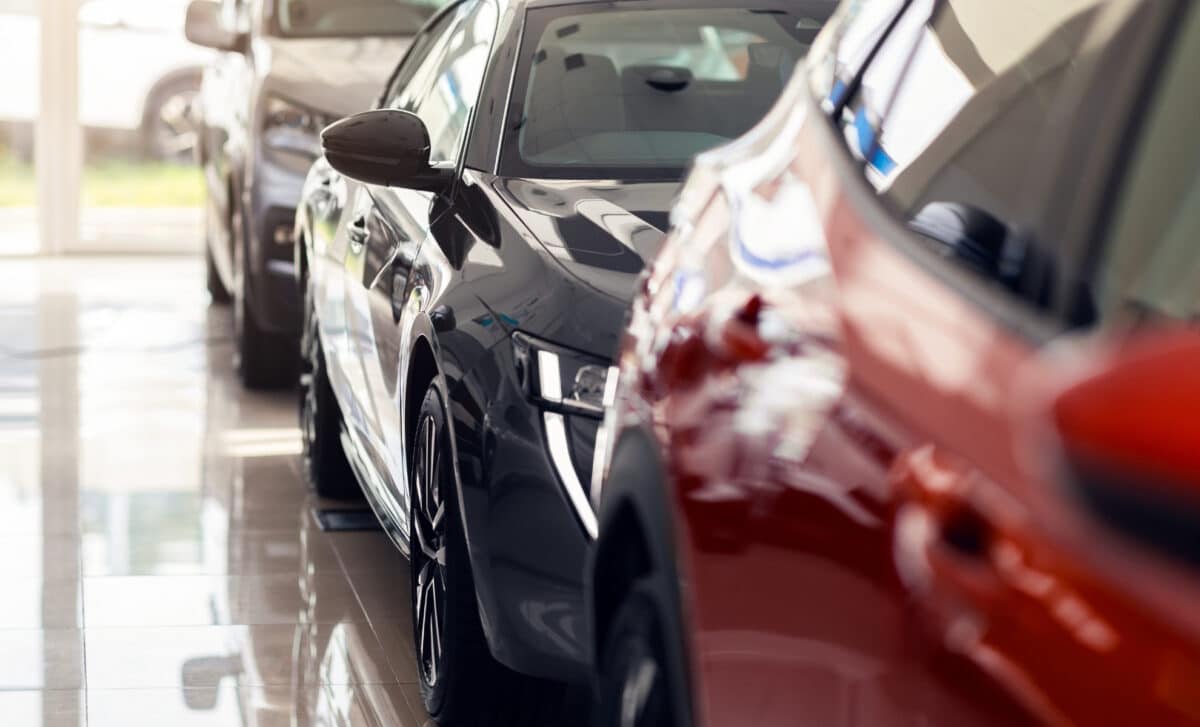
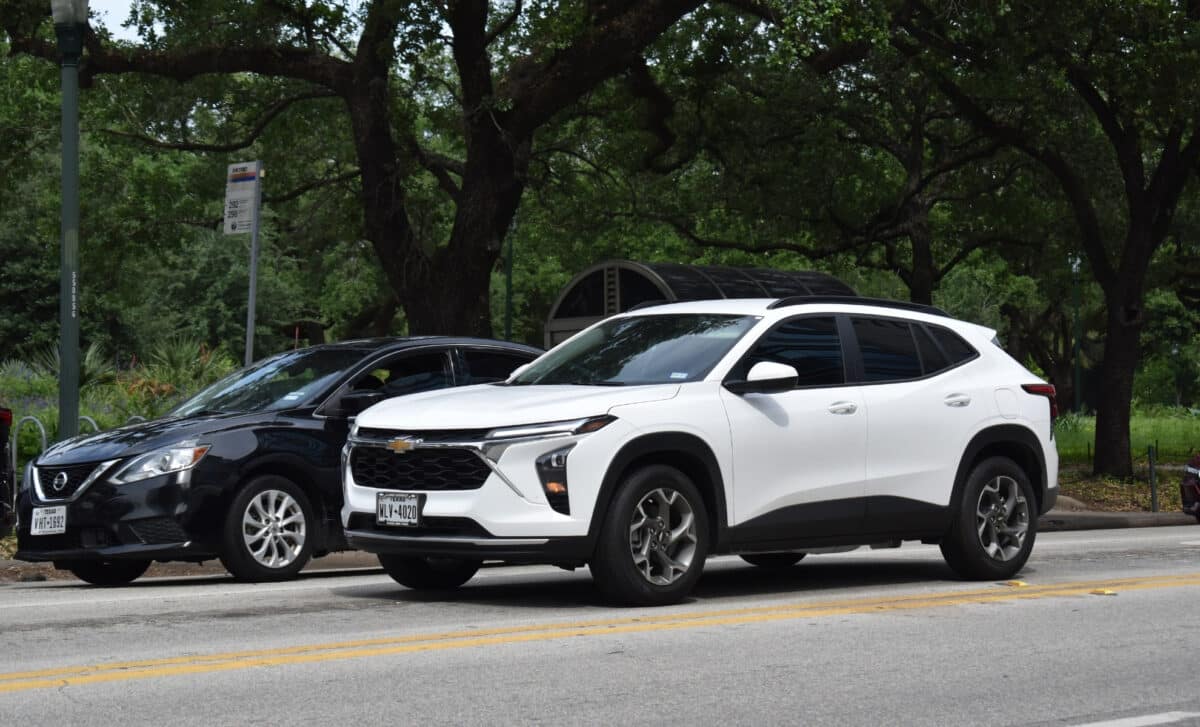
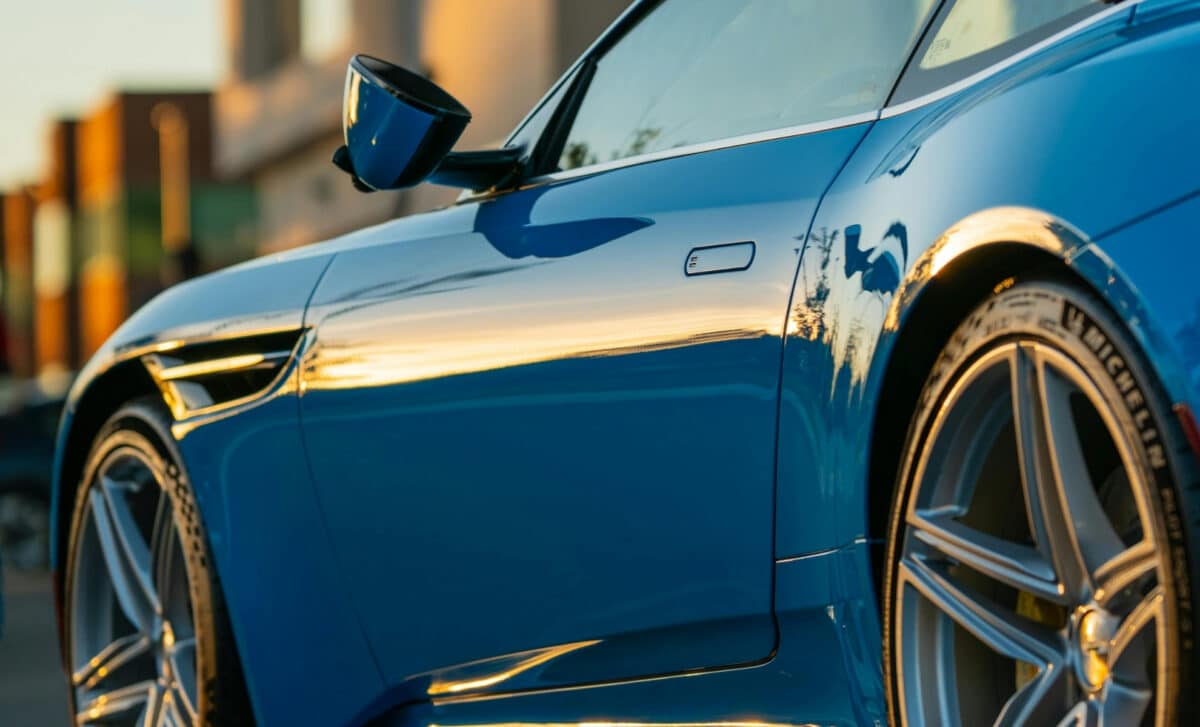
According to iSeeCars, white leads the U.S. market with a 25.7% share, followed by black at 23.4% and gray at 22.9%. Blue ranks fourth overall with 9.1%, making it the highest-ranked non-grayscale color. Silver follows at 8.4%, ahead of red at 7.0%, green at 2.2%, brown at 0.4%, beige at 0.4%, and orange at 0.3%.
Together, white, black, gray and silver represent 80.4% of all vehicles included in the study. White has remained the country’s most common vehicle color since 1996, increasing its market share from 21.1% to 25.7%.
Gray recorded the largest increase over the 30-year period. Its market share climbed from 3.6% in 1996 to 22.9% in 2025, representing a 528.4% increase. White, black and gray alone now account for 72% of the market, while silver adds another 8.4%.
Most Traditional Colors Have Steadily Lost Market Share
The study found that nearly every non-grayscale color has become less common since 1996. Blue remains the most popular colorful option, though its market share declined by 10.8%, falling from 10.2% to 9.1%.
Red experienced the sharpest decline among the major colors. Its share dropped from 20.1% in 1996 to 7.0% in 2025. Green also saw a substantial decrease, falling from 13.4% to 2.2%.
Brown and beige each declined to just 0.4% of the market. Yellow, gold and purple also lost market share during the same period.
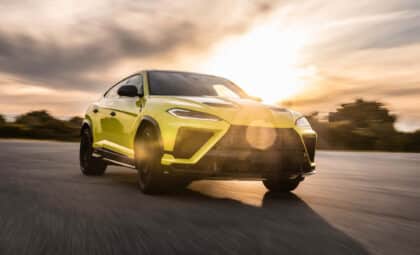
Orange was the only non-grayscale color listed in the study to register growth. Its share rose from 0.2% in 1996 to 0.3% in 2025, an increase of 2.5%. The report also notes that yellow recently earned the distinction of being the best color for resale value.
Preferences Differ Across Trucks, suvs, Passenger Cars and Sports Cars
Vehicle type continues to influence color preferences. Trucks have experienced the largest movement toward grayscale colors, which now represent 83.5% of the segment compared with 43.4% in 1996. White is the leading truck color, accounting for 33.6% of the market.
SUVs follow a similar pattern. According to the iSeeCars analysis, grayscale shades make up 79.3% of the segment, up from 43.8% three decades earlier. White remains the most common SUV color with a 25.1% share.
Passenger cars stand apart from the overall market by favoring gray over white. Gray now holds a 28% market share after increasing by 652.1% since 1996, when it represented just 3.8% of the segment. Black ranks second at 23.7%, while white places third with 21.2%.
Sports cars also list gray as their most common color at 21.2%, following a 598.0% increase from 1996. They also have the highest proportion of non-grayscale colors, with colorful finishes accounting for 36.2% of the segment. Blue, yellow, purple and orange all gained market share among sports cars, unlike the broader vehicle market.