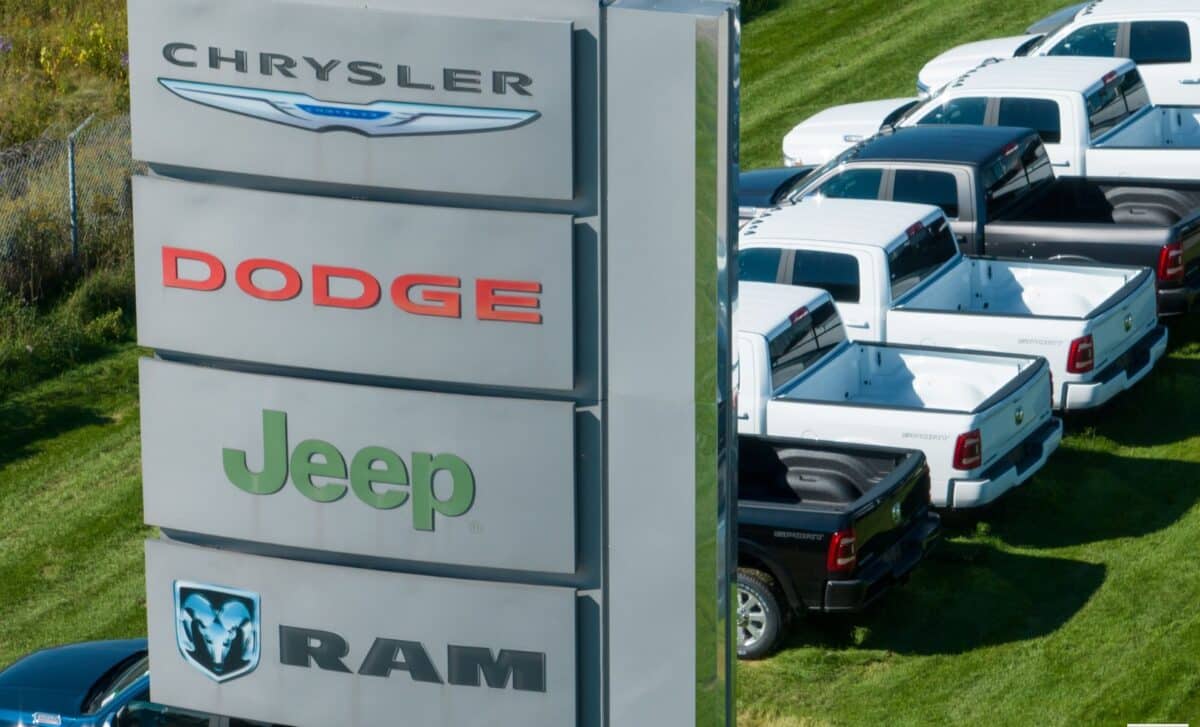
CEO Antonio Filosa presented the plan in Auburn Hills, outlining $69.7 billion in spending on global platforms, powertrains, and technology. Stellantis plans 60 new vehicles and 50 refreshed models across its 14 brands by 2030.
The plan keeps Jeep, Ram, Chrysler, Dodge, Fiat, and the group’s other brands intact. Rather than eliminating names, Stellantis says each brand will have a clearer role, with the largest share of resources going to Jeep, Ram, Fiat, and Peugeot.
A Major Product Push With Lower Entry Prices
By 2030, North America is set to receive 11 all-new models. According to MotorTrend, seven will start below $40,000, while two will start below $30,000.
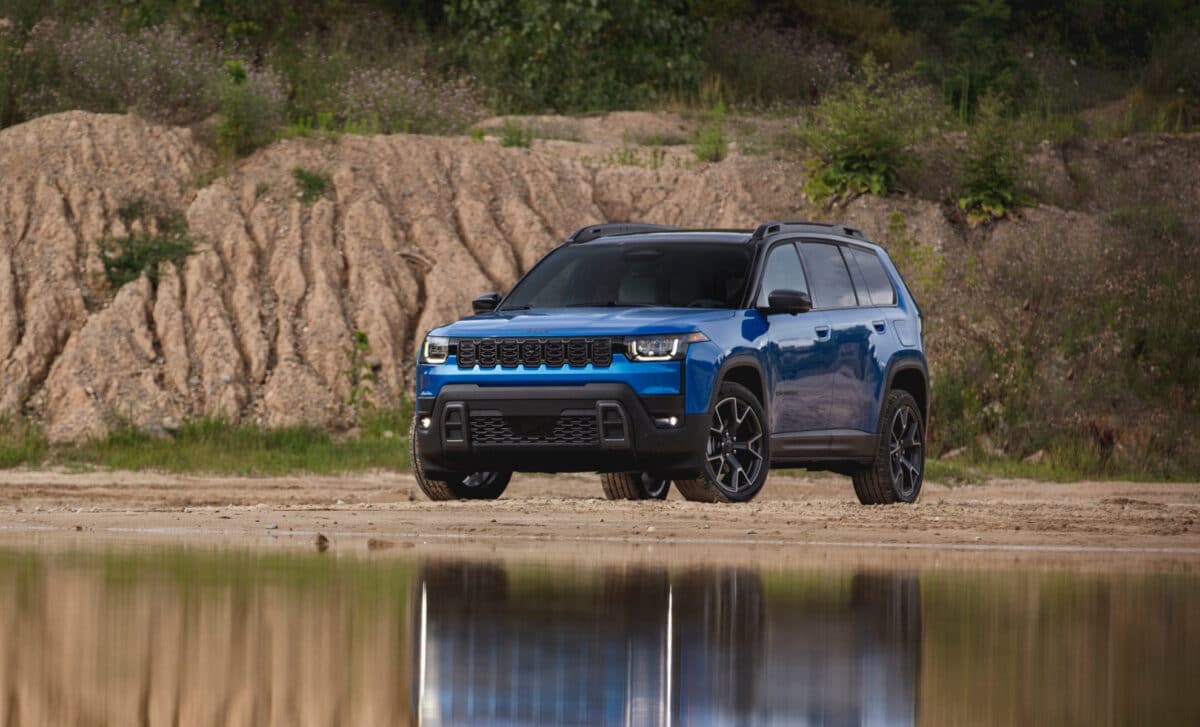
The company has 10 new models scheduled for 2026. These include the Jeep Cherokee, Jeep Compass, Jeep Recon electric off-roader, Jeep Grand Wagoneer extended-range hybrid, Ram 1500 REV extended-range hybrid, and Ram 1500 SRT TRX with 777 horsepower.
Globally, the plan includes 28 electric vehicles, 15 plug-in or extended-range hybrids, 24 hybrids, and 39 vehicles using internal combustion engines with mild-hybrid systems.
Jeep And Ram Remain Central In North America
Filosa has already shifted Stellantis’ North American strategy since becoming CEO in June 2025. The Hemi V-8 has returned to more vehicles and now represents 40 percent of Ram sales.
At the same time, Stellantis has scaled back parts of its electrification plan. The company has delayed, postponed, or canceled some EV programs and discontinued U.S. plug-in hybrid versions of the Jeep Wrangler, Jeep Grand Cherokee, and Chrysler Pacifica.
The new focus includes conventional hybrids and extended-range hybrids, where the gasoline engine acts as a generator for electric motors. The first models using this approach will be the Ram 1500 REV pickup and Jeep Grand Wagoneer SUV.
Manufacturing, Partnerships, And Financial Targets
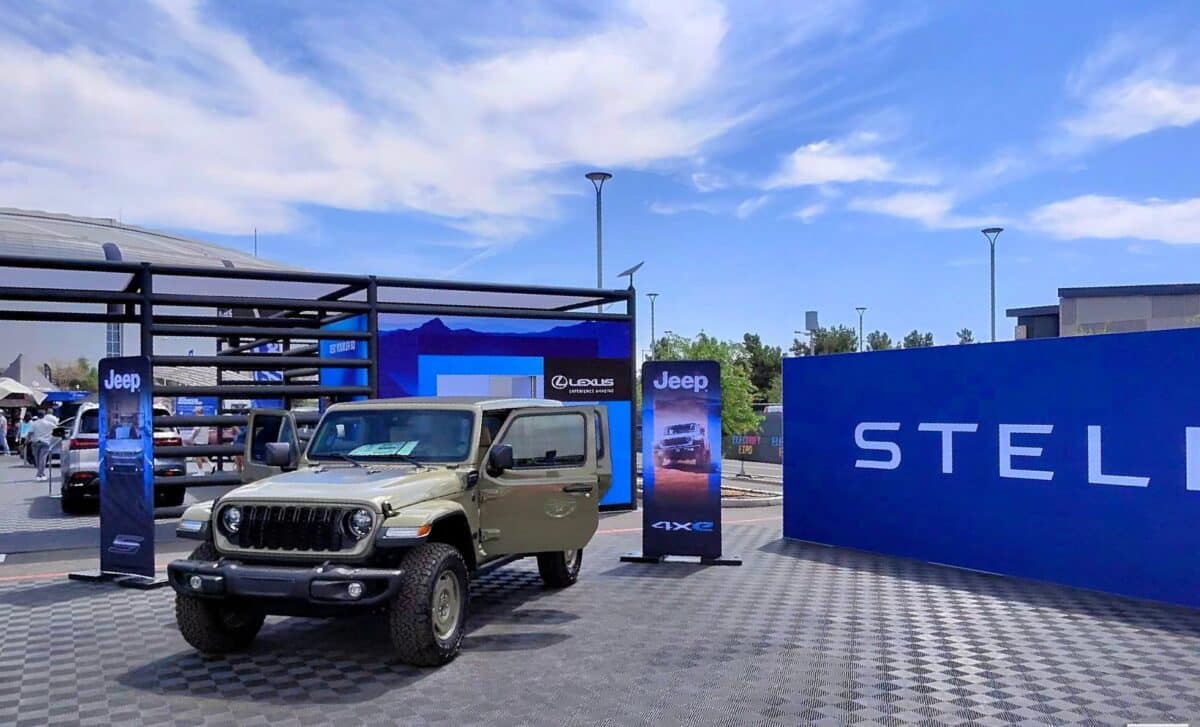
Stellantis plans to spend $13 billion to expand its U.S. manufacturing base by 50 percent over the next four years. The investment includes a Ram midsize pickup, an SUV, and the next-generation Dodge Durango.
The company also has an agreement with Jaguar Land Rover to explore product and technology development in the United States. If Stellantis builds vehicles for JLR in the U.S., those vehicles would avoid current import tariffs.
Financially, Stellantis reported a $440 million first-quarter profit after a similar-sized loss a year earlier. Its operating margin was 2.5 percent, while North America’s margin stood at 1.6 percent. The company is targeting 25 percent revenue growth in North America and an 8 to 10 percent profit margin.
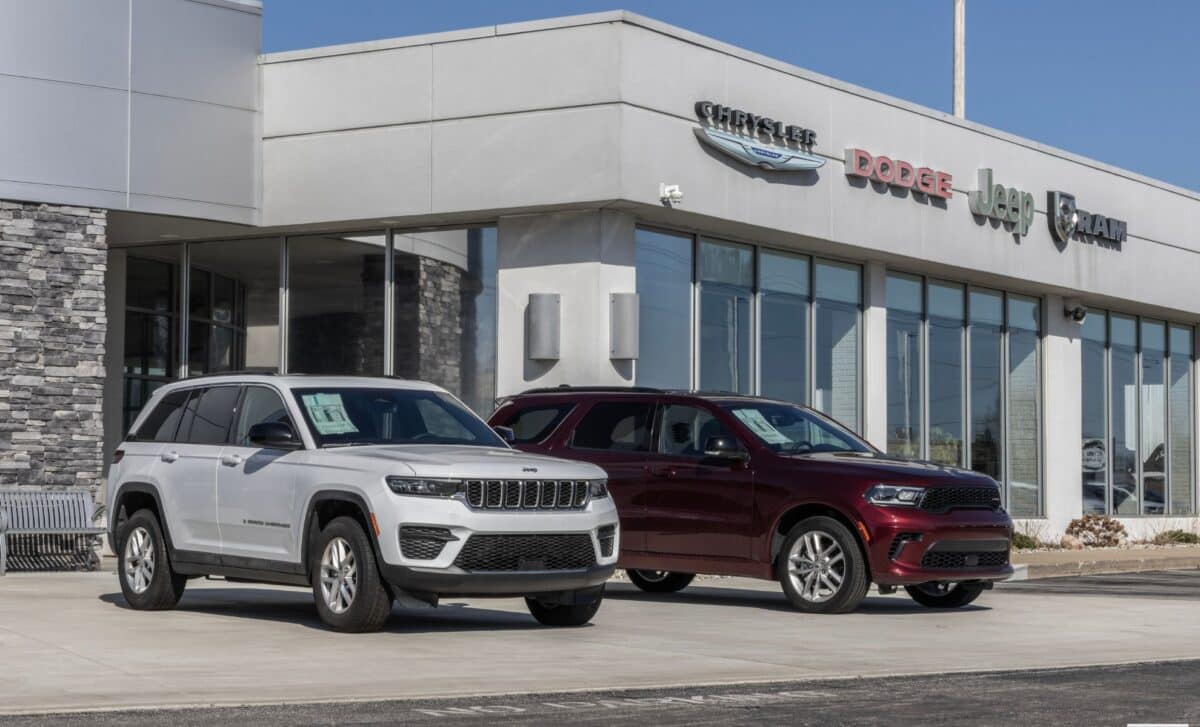
Stellantis is also pursuing cost controls through its Value Creation Program, focused on North America and Europe, where the company has excess capacity. Filosa summed up the strategy by saying: “Every brand in Stellantis will play a clear role in delivering our FastLane 2030 commitments.”