

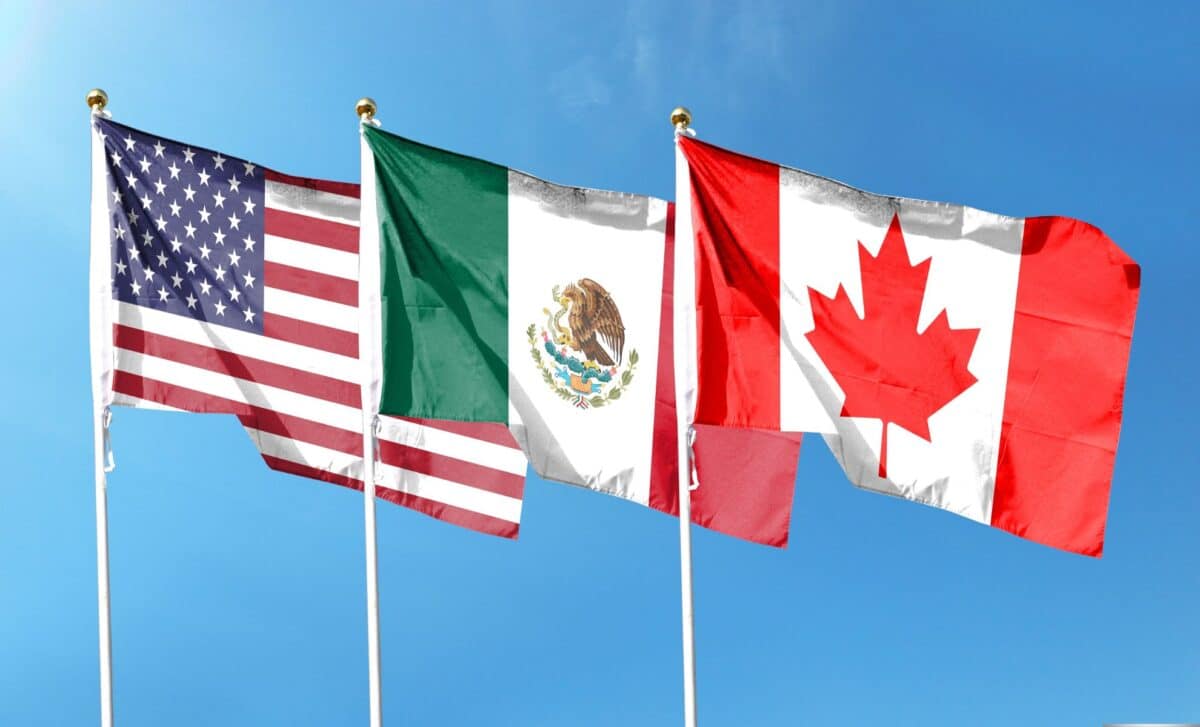
The agreement, known as USMCA, still has 10 years left before it expires in 2036. For now, the refusal to extend it does not end the deal, but it does begin annual reviews until the United States, Mexico, and Canada agree to extend the pact to 2042 or allow it to expire.
The decision also sharpens differences between Washington and its two North American partners. Canada and Mexico said last month that they wanted to extend the deal, while the United States remains the only holdout.
A Trade Deal Enters A 10-Year Review Period
The U.S. government’s refusal to renew the USMCA places the agreement into a review process that will run each year until the three countries reach an extension agreement or the pact expires in 2036. Any country can also leave the deal at any time by giving six months’ written notice.
The move was expected, but it comes five years after Trump described the agreement as the “most important trade deal ever made by the U.S.A.”
The next round of discussions is scheduled for July 20 in Mexico City. Talks are expected to continue for months as the parties work through the future of the deal and the rules governing trade across North America.
Rules Of Origin Become The Central Issue For Automakers
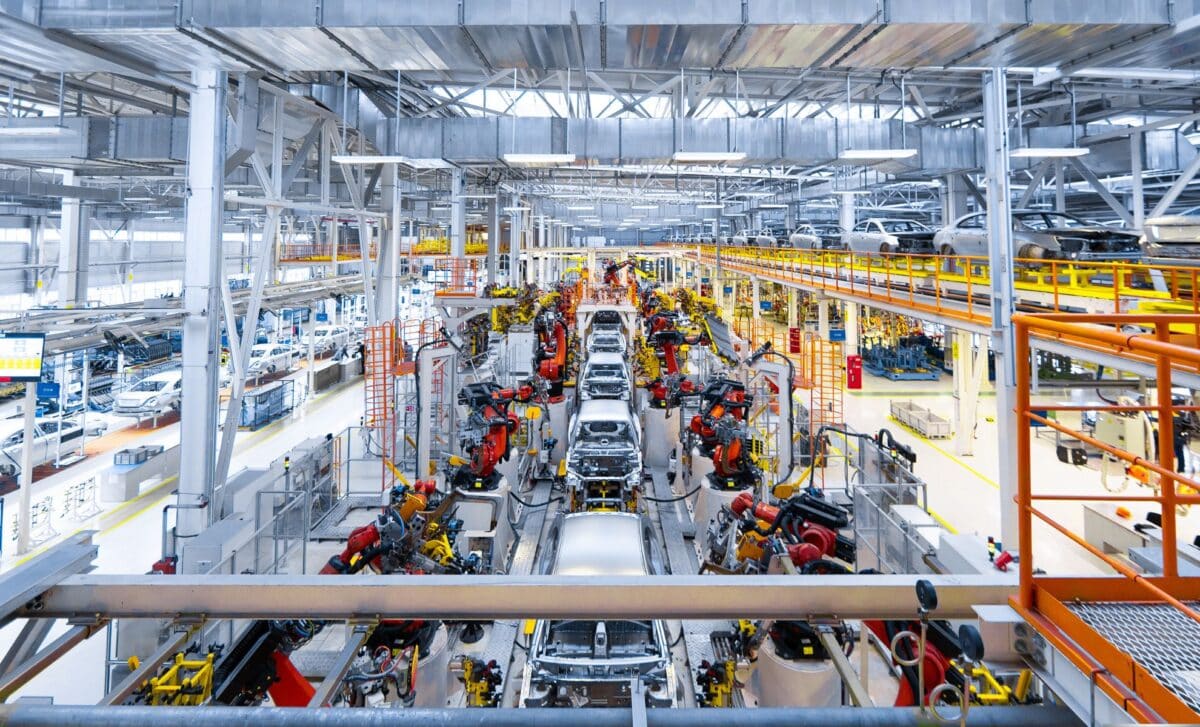
A large part of the Trump administration’s decision centers on its demand for major revisions to the rules of origin requirements for cars. Under the current USMCA framework, 75 percent of a vehicle must be built using parts that originate from the United States, Mexico, or Canada to qualify for preferential tariff treatment.
The federal government wants to raise that requirement to 82 percent. It also wants to add a clause requiring that 50 percent of a vehicle’s parts specifically come from the United States.
Under the current agreement, parts that comply with the USMCA are not subject to the Trump administration’s 25 percent tariff. Vehicles that do not comply are subject to a 27.5 percent tariff, made up of the previous 2.5 percent tariff plus the 25 percent Trump tariff, applied to the percentage of the value of non-U.S. parts they contain.
Automakers Split Over The Risks And Benefits
Representatives for American automakers have expressed mixed views on the current USMCA framework. The American Automotive Policy Council, which represents Ford, General Motors, and Stellantis, said North American integration brings major benefits to the region.
“North American economic integration enables enormous competitive benefits for the region,” the group said in a statement on Wednesday, as reported by Car and Driver,.
The same group also warned that U.S. automakers face disadvantages when producing non-USMCA-compliant vehicles.
“U.S. automakers currently face a disadvantage versus imports from countries whose exports face a flat 15 percent tariff and are not subject to comparable rules of origin. We urge a swift and durable resolution that ensures a level playing field and provides long-term certainty needed for capital-intensive automotive investments.”
Foreign automakers have taken a more direct position in favor of extending the agreement. Autos Drive America, the trade group representing international automakers in the United States, released a joint statement supporting the USMCA’s extension.
“The USMCA is a success story for the entire U.S. auto industry, with billions invested in U.S. production and thousands of manufacturing jobs created since the agreement entered into force,” the group said. “We urge the leaders of the U.S., Canada, and Mexico to swiftly reach consensus on an extension of USMCA that preserves the existing trilateral partnership, returns to preferential treatment for qualifying goods, and continues the stability and predictability that has helped the industry thrive for the past six years.”
For the auto industry, the immediate issue is not the end of the USMCA, but the uncertainty now attached to its long-term future. The deal remains active, the review process has begun, and the next stage of negotiations will move to Mexico City on July 20.