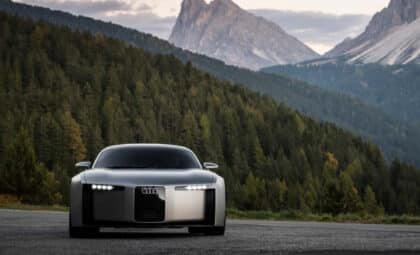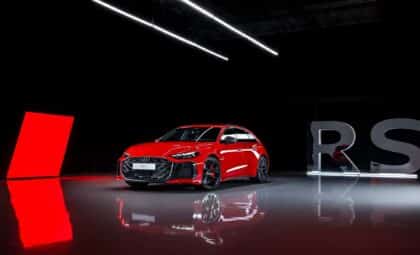
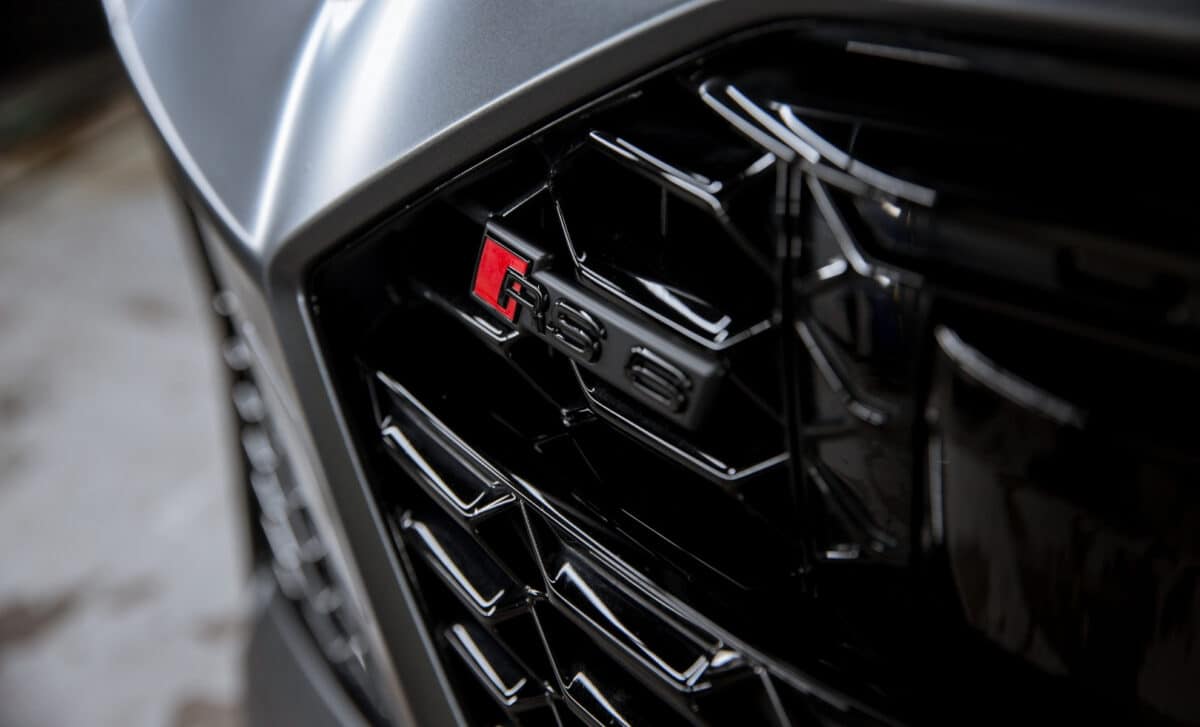
Set to arrive later this year, the hybrid RS6 will mark a significant shift in Audi’s high-performance lineup, responding to tightening emissions regulations while maintaining the power enthusiasts expect.
The new RS6 is expected to retain its signature twin-turbocharged 4.0-liter V8 engine, but with the added benefit of an electric motor. Spy photos confirm the presence of a charging port on the rear fender, suggesting that the RS6 will adopt a similar hybrid system to the A6 Avant E-Hybrid, which features a 20.7-kWh battery pack. Audi’s decision to electrify the RS6 aligns with broader industry trends, as automakers shift towards hybrid and fully electric powertrains in response to stringent environmental standards.
Hybrid Powertrain Confirmed
The key change in the RS6 is its hybrid powertrain, which pairs Audi’s potent V8 with an electric motor. According to Motor1, the test vehicle features the same charging port seen on the A6 Avant E-Hybrid, indicating a shared hybrid architecture.
While it’s unclear whether the RS6 will use the exact same battery, it’s worth noting that the RS5 Avant’s 22-kWh net capacity delivers a 52-mile (84 km) electric-only range in city driving, providing an idea of what to expect from the RS6. With the RS6’s larger engine, combined output could easily surpass the RS5’s 630 hp, potentially pushing past 700 hp.
The shift to hybrid power also represents a response to the European Union’s upcoming Euro 7 emissions standards, which will make it increasingly difficult for automakers to sell high-performance cars with traditional internal combustion engines. Audi is not alone in this transition; brands like Lamborghini, Bentley, and Porsche have already introduced hybrid V8 engines, making Audi the next in line to offer a similar setup in its RS models.
Competition with BMW M5 Touring
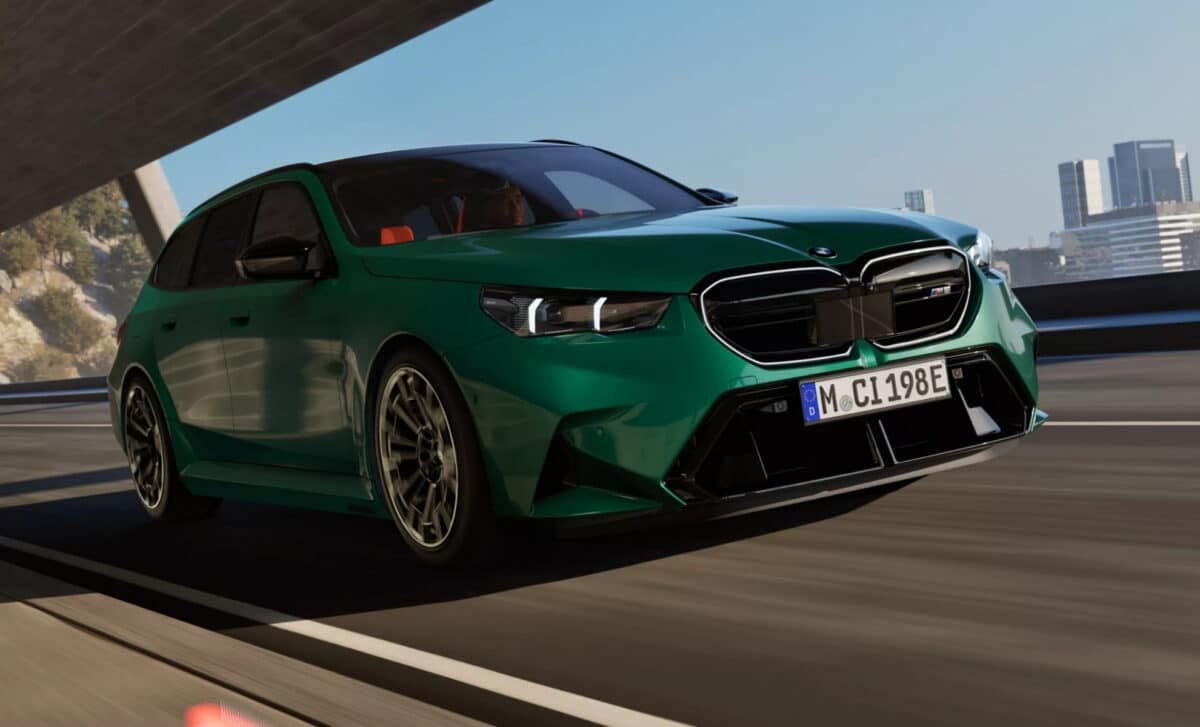
The RS6 Avant will face strong competition from the BMW M5 Touring, which also features a plug-in hybrid V8 powertrain. The M5 Touring offers a total system output of 717 hp, despite recent changes to its combustion engine to comply with stricter emissions regulations in Europe.
BMW’s strategy involved reducing the engine’s output while enhancing the electric motor to maintain the same combined power. As a result, the RS6 will be facing an established competitor in the high-performance hybrid wagon segment, with both models representing the future of electrified performance cars.
Though the RS6 is expected to be heavier than the RS5 due to its larger engine and hybrid components, Audi has focused on ensuring the added weight doesn’t compromise handling. The RS5 Avant weighs 5,225 pounds (2,370 kg), and the RS6 is likely to surpass that figure, possibly edging out the BMW M5 Touring’s 5,456 lbs (2,475 kg) weight. Despite the added bulk, Audi’s advanced suspension and performance-oriented tuning are expected to help the RS6 retain its agility and driving dynamics.
Design Tweaks and Features
Spy photos have also revealed several design changes to the RS6 Avant. The car will feature larger oval exhaust tips, positioned closer together, reflecting the aggressive design language found in Audi’s RS models. The car’s bulging wheel arches and front-fender vents, which were inherited from the previous-generation RS6 GT, add to its sporty and commanding presence. These design tweaks are not just for aesthetics; they also contribute to the car’s improved aerodynamics and performance.
Beyond the RS6 Avant, Audi will also offer an RS6 Sedan, making a return after more than 15 years. Although it’s unclear whether the sedan will launch alongside the wagon, its arrival has been warmly welcomed by fans of Audi’s high-performance sedans. With both the sedan and wagon versions, Audi is expanding its RS6 lineup to appeal to a broader range of performance enthusiasts.
The hybrid powertrain and the updated design of the RS6 Avant are set to redefine the RS lineup, offering a blend of power, luxury, and sustainability. However, whether this new hybrid model will capture the hearts of purists remains to be seen. The RS6 Avant will likely command a significant premium, with the RS5 already starting at €107,850 in Germany, approximately $114,000, and the new hybrid system could appeal to buyers looking for a more eco-conscious performance vehicle.