

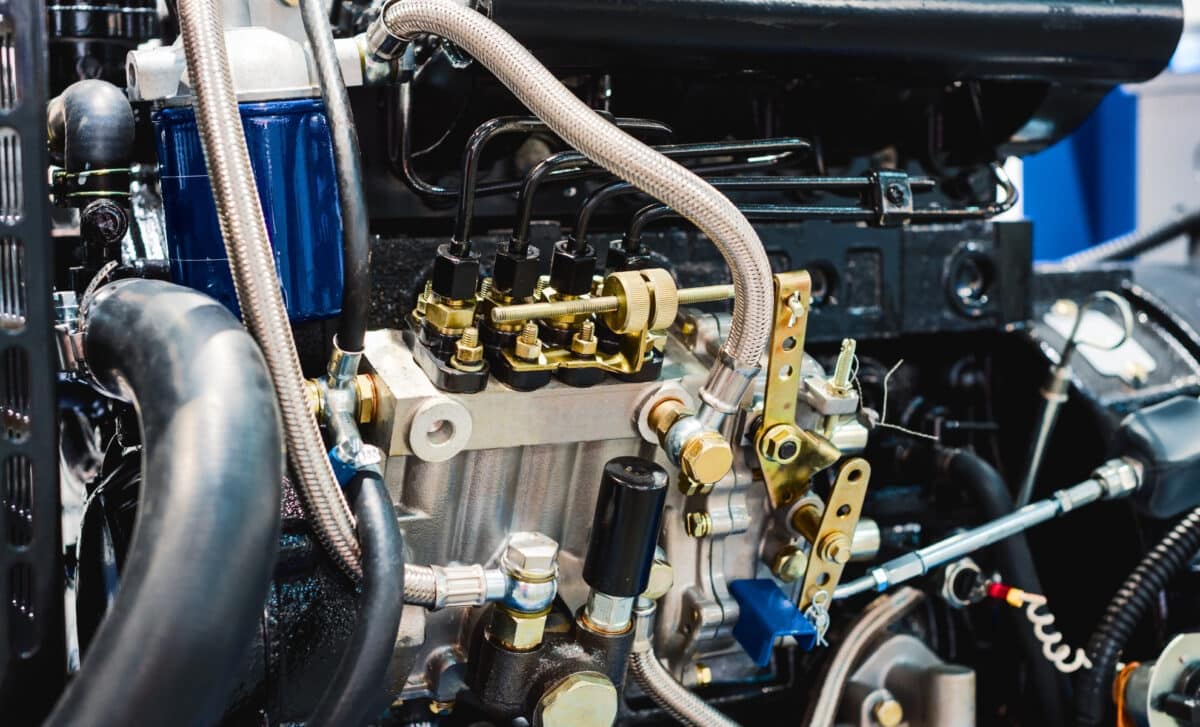
Despite advances in engine technology, major automakers are struggling with premature failures in their V6 and V8 engines, as they try to meet increasing demands for performance and stricter environmental standards. The issue has revealed a serious challenge for the automotive industry: the pursuit of more powerful, cleaner, and equally reliable thermal engines seems to be reaching its limits.
The automotive industry has long been obsessed with performance, particularly boosting horsepower per liter of engine capacity. This focus on power has led to advances in engine technology, but it has also introduced new challenges. The push for higher performance has strained engine components, resulting in defects that threaten the reliability of modern vehicles. At the same time, car manufacturers must meet tougher environmental regulations, creating a difficult balance between performance, emissions control, and durability.
A Surge in Recalls
The problem has grown to alarming proportions, with several major automakers initiating massive recalls. General Motors, for example, has been forced to recall 721,000 vehicles equipped with its V8 6.2-liter L87 engine. The recall was triggered by manufacturing defects that caused vulnerabilities in the engine.
Toyota, known for its reliability, has been affected as well, with more than 100,000 of its V6 bi-turbo engines needing to be replaced due to flaws in the production process. Honda is also grappling with a recall of 250,000 vehicles, all of which are equipped with faulty V6 3.5-liter engines affected by issues with the connecting rods.
Ford faces its own challenges, recalling 700,000 vehicles due to oil leaks and injector failures. Stellantis is managing a recall of 112,589 Jeep vehicles that have been affected by sand residue in their engine blocks, while Hyundai is currently evaluating whether up to 3 million of its vehicles, including those from its sister brand Kia, also need to be recalled, with an estimated cost of 4.2 billion euros. These widespread issues indicate a growing crisis within the industry.
The Search for More Power
According to experts, the core issue lies in the automotive industry’s relentless pursuit of higher engine performance. Manufacturers have focused on increasing the power output of their engines, aiming to achieve greater horsepower per liter of engine capacity.
This drive for performance has led to engines being subjected to higher internal temperatures and pressures than ever before. As a result, critical engine components such as the crankshaft and bearings are facing stresses that were previously unimaginable.
This quest for higher power has also led to changes in the types of oils used in engines. Modern lubricants are much thinner and less viscous compared to those used in older engines. Thinner oils reduce friction, improving fuel efficiency and cutting emissions. However, this comes with a trade-off: the margin for error is much smaller. A tiny manufacturing flaw or impurity in the oil circuit can lead to catastrophic engine failure. In the past, older engines with thicker oils were more forgiving of small imperfections.
The High Cost of Precision
Despite advances in manufacturing technology that have allowed for greater precision in engine components, modern engines are now much less tolerant of errors. A single grain of sand, as experienced by Stellantis, can ruin an engine block, while a slight fault during the assembly process can cause major failures. Today’s engines are designed to operate at the very edge of what’s physically possible, demanding perfection in every stage of production, from design to assembly to quality control.
In contrast, older engines were less sophisticated but more forgiving of minor mistakes. Their thicker oils and looser tolerances allowed them to handle small defects without failing. The difference is clear: modern engines are being pushed to their physical limits, trying to balance performance, reliability, and environmental standards. These engines need to meet stricter emission regulations while maintaining or improving their power output, which has resulted in a situation where reliability and performance are often at odds.
A Tough Road Ahead
The situation for thermal engines is becoming increasingly complex. In the European Union, plans are underway to allow thermal engines to continue after 2035, but with the caveat that they must meet a 90% reduction in CO2 emissions. This presents a significant challenge for manufacturers already struggling to balance performance, environmental responsibility, and reliability.
Automakers are caught in a difficult bind: they must create engines that are more powerful, cleaner, and just as reliable as those of the past. The pressure to innovate and meet stricter environmental standards is intensifying, but the limits of thermal engine technology are becoming more apparent.