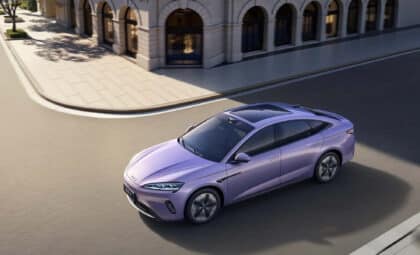

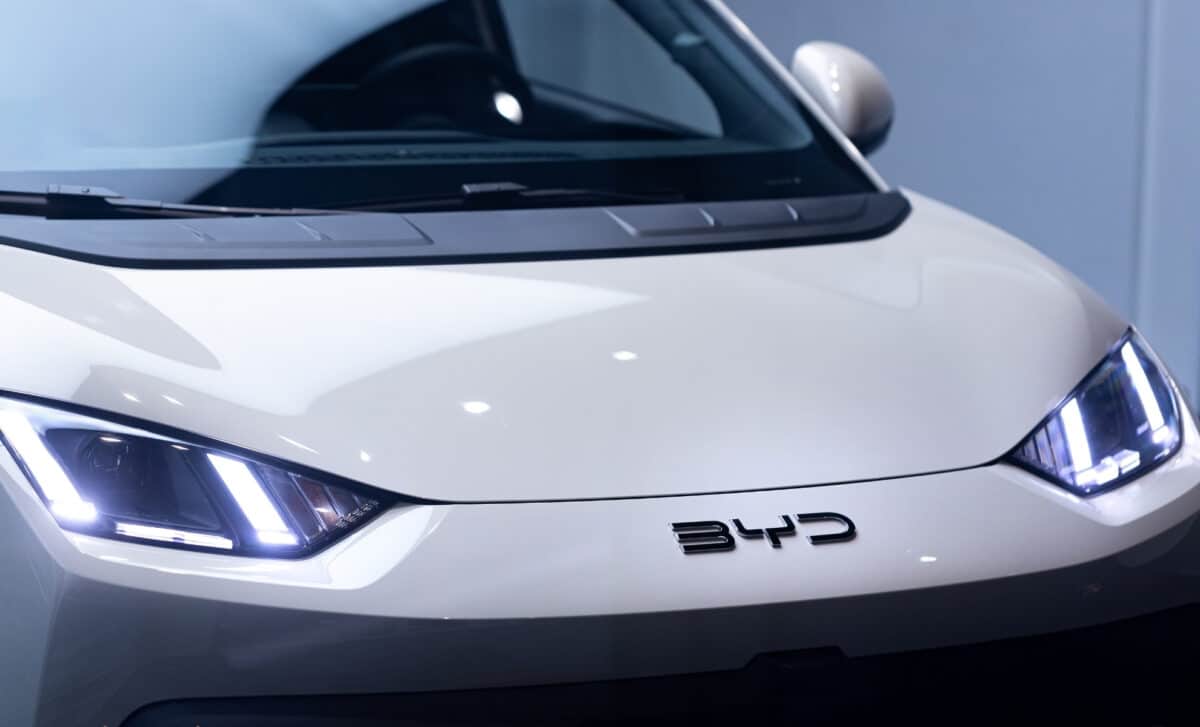
BYD announced it sold over 2.25 million battery-powered cars in 2025, reflecting an increase of nearly 28% compared to the previous year. Meanwhile, Tesla is estimated to have sold around 1.65 million vehicles.
This shift signals a new phase in the global EV industry, where Chinese manufacturers are not just catching up but surpassing established Western players. Once considered a local challenger, BYD has now positioned itself as a global EV powerhouse, achieving this despite facing slower growth in its core market and rising international trade barriers. For Tesla, the loss of the top spot is one of several challenges the company faced in 2025including political controversies, mixed reactions to its latest products, and increased competition from within China.
Musk Faces Investor Backlash Over Political Role
Tesla began 2025 under pressure after a drop in sales during the first quarter, which followed public criticism of Elon Musk’s involvement in Donald Trump’s administration. Musk had taken a leading role in the Department of Government Efficiency (DOGE), sparking concerns among investors that his focus was drifting from the company.
Some shareholders openly questioned whether musk was dedicating enough attention to Tesla, given his responsibilities across a sprawling business empire that includes SpaceX, The Boring Company, and the social media platform x. The unease was compounded by the company’s underwhelming new vehicle offerings, which received a mixed reception from consumers and industry observers. In a bid to boost sales, Tesla launched lower-cost versions of its two best-selling models in the US in October.
Amid these tensions, Musk pledged to reduce his role in government activities, though pressure continues to mount. The billionaire is also tied to a record-breaking pay package, approved by shareholders in November, that could be worth up to $1 trillion if certain performance targets are met. Among them is the requirement to sell one million humanoid robots within the next ten years, part of tesla’s “Optimus” project, as well as progress on its self-driving “robotaxi” initiative.
BYD Expands Abroad As Domestic Growth Slows
While BYD remains China’s largest electric vehicle manufacturer, its sales growth in 2025 marked its slowest rate in five years, due largely to fierce competition within the Chinese EV market. Still, the company maintained momentum through aggressive international expansion and competitive pricing that undercut many established global brands.
BYD’s overseas sales surged in Latin America, Southeast Asia, and parts of Europe, despite many countries introducing steep tariffs on Chinese EV imports. In particular, the company reported that the UK had become its largest market outside China. Sales in Britain rose by an astonishing 880% over the 12 months leading to the end of September 2025, driven by strong demand for the plug-in hybrid version of its Seal U SUV.
This international growth helped cushion the impact of a slowing domestic market, reinforcing BYD’s position not just as a Chinese leader but as a formidable global competitor. The Shenzhen-based automaker continues to expand its reach, leveraging affordability and a wide product range to challenge Western dominance in the EV space.
Chinese EV Makers Challenge Western Dominance
The rise of BYD comes amid a broader surge from other Chinese automakers such as Geely and MG, all of whom are intensifying price competition with Western brands. Their strategy is clear: offer lower-cost EVs with solid performance to attract cost-conscious consumers worldwide.
Tesla is now under increasing pressure to justify its valuation and growth projections. The company’s long-term plans to develop advanced robotics and autonomous driving are ambitious, but investors remain concerned about whether these future technologies can offset the company’s current struggles in its core automotive business.