
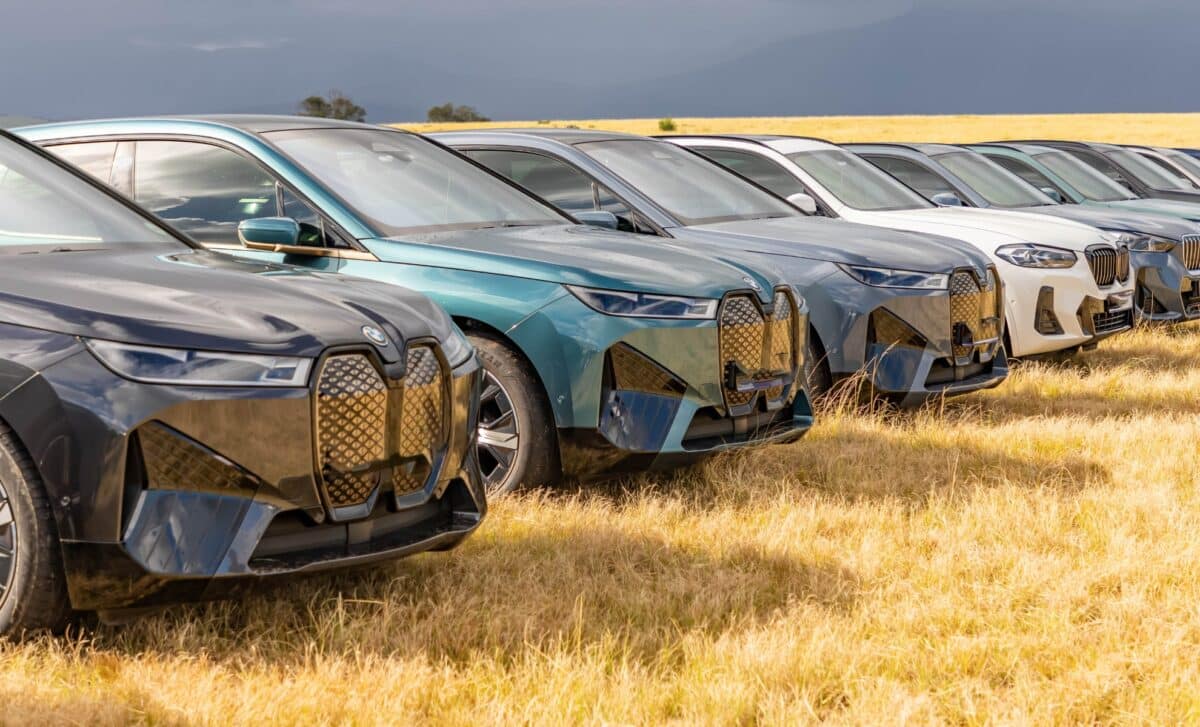
Some official trips pass quietly. Others carry broader industrial stakes. Friedrich Merz’s visit to China belongs firmly to the second category, given the presence of leading figures from BMW, Volkswagen and Mercedes.
The German automotive sector embodies a significant share of the country’s economic power. With BMW CEO Oliver Zipse joining the delegation, the message was unambiguous: disengaging from China would amount to jeopardizing the long-term prospects of the entire European automotive industry.
China Remains the World’s Largest Automotive Market
China today represents the largest automotive market in the world by volume. For years, it has made a decisive contribution to the profits of German premium manufacturers. According to Auto Plus, for BMW, Volkswagen and Mercedes, China is not simply one market among others but a structural backbone.
Zipse emphasized that the issue extends beyond sales performance. China has become a major innovation hub, particularly in electric mobility, onboard software and driver-assistance systems. Maintaining a presence there means staying directly involved in global technological competition. Withdrawing, by contrast, would risk falling behind as the next generation of automotive standards takes shape.
European Carmakers Face Growing Competitive Pressure
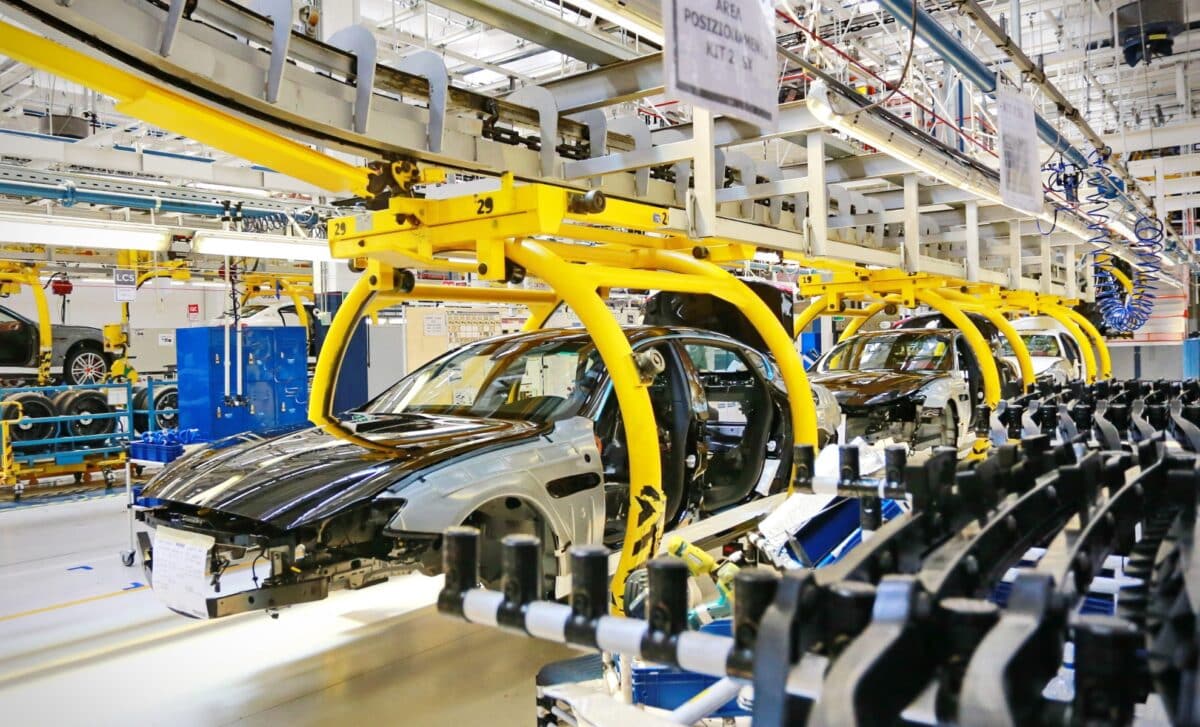
The situation on the ground is complex. European manufacturers are navigating a difficult period in China, caught between increasingly aggressive domestic competitors and shrinking margins.
Chinese brands benefit from substantial public subsidies, enabling them to market electric vehicles at price levels European groups struggle to match. At the same time, these domestic manufacturers are rapidly narrowing the technological gap.
This context raises questions about the balance of the partnership. Is cooperation still even-handed, or is the relationship becoming more asymmetrical? No member of the German delegation accompanying Friedrich Merz has an interest in voicing such concerns openly in Beijing.
Germany’s Automotive Sector as Diplomatic Leverage
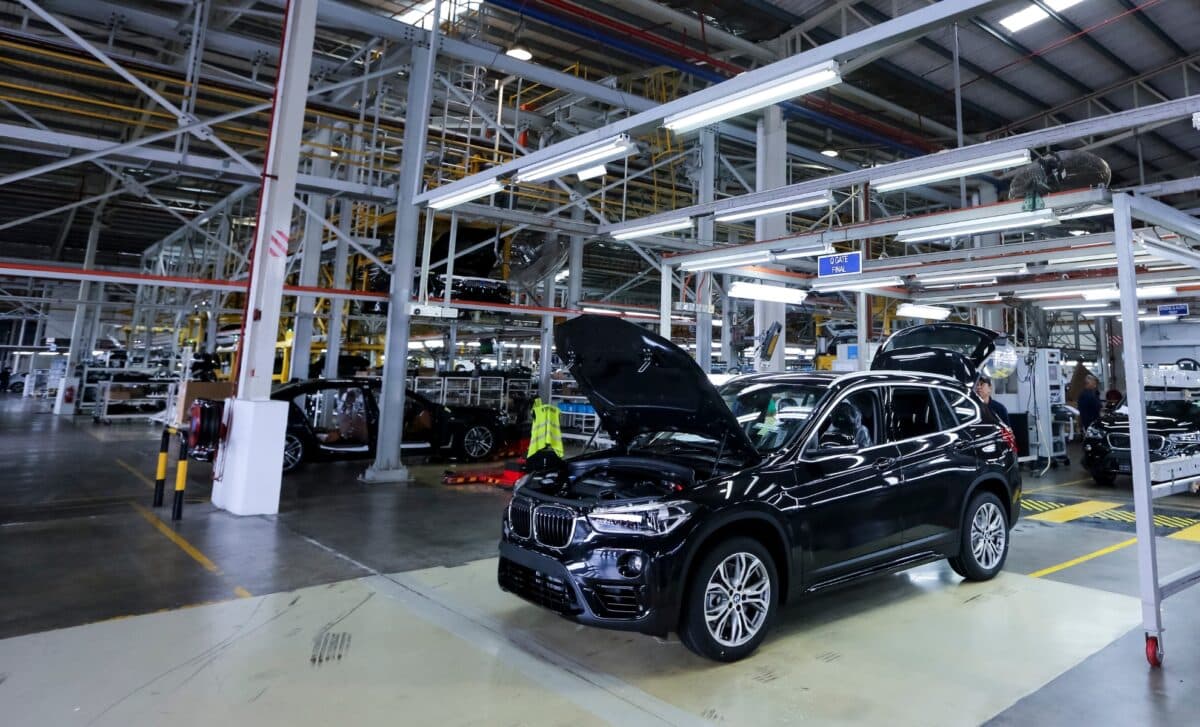
The simultaneous presence of the heads of BMW, Volkswagen and Mercedes alongside the German chancellor underscores the strategic role of the auto industry in Berlin’s dialogue with Beijing.
The sector serves both as a negotiating tool and as a point of vulnerability. The more Germany relies on China to sustain its flagship industry, the less flexibility it may have to adopt a tougher stance on other issues.