Recent showcases in Las Vegas featured several electric and hybrid vehicles under Geely’s premium brands Zeekr and Lynk & Co., some of which are already being sold in Mexico and other global markets. As Geely positions itself as the world’s fastest-growing automaker, with over 3 million vehicles sold in 2025, its expansion beyond Asia appears increasingly likely.
At CES in Las Vegas, Car and Driver spoke with Li Chuanhai, Geely Auto Group’s Vice President of Global R&D. He stated that no firm decision or timeline had been made for entering the U.S. but added, “We are pretty cautious.”
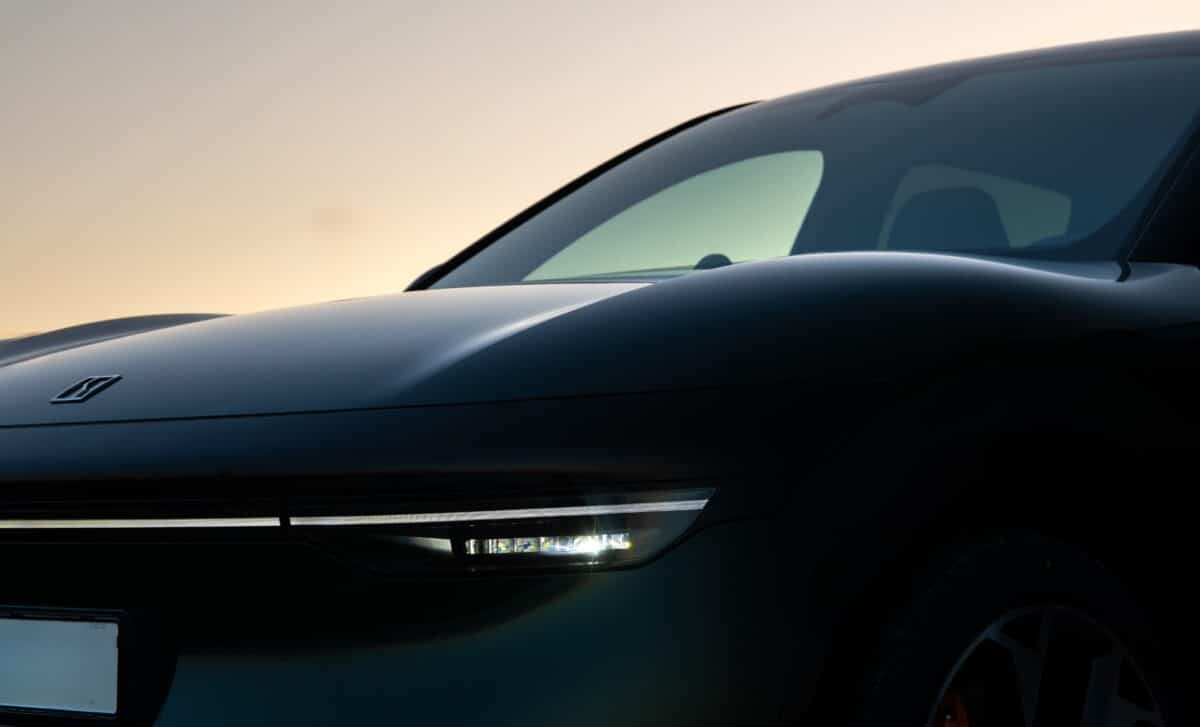
That caution has nothing to do with the cars themselves. Vehicles from Geely, Zeekr, and Lynk & Co. were displayed and tested at the Las Vegas Motor Speedway, and the results impressed. Smooth handling, quality interiors, and high-tech systems were on full display, with models like the Zeekr 7X and EX5 emerging as clear standouts.
Zeekr and Geely Showcase Models Built for Global Appeal
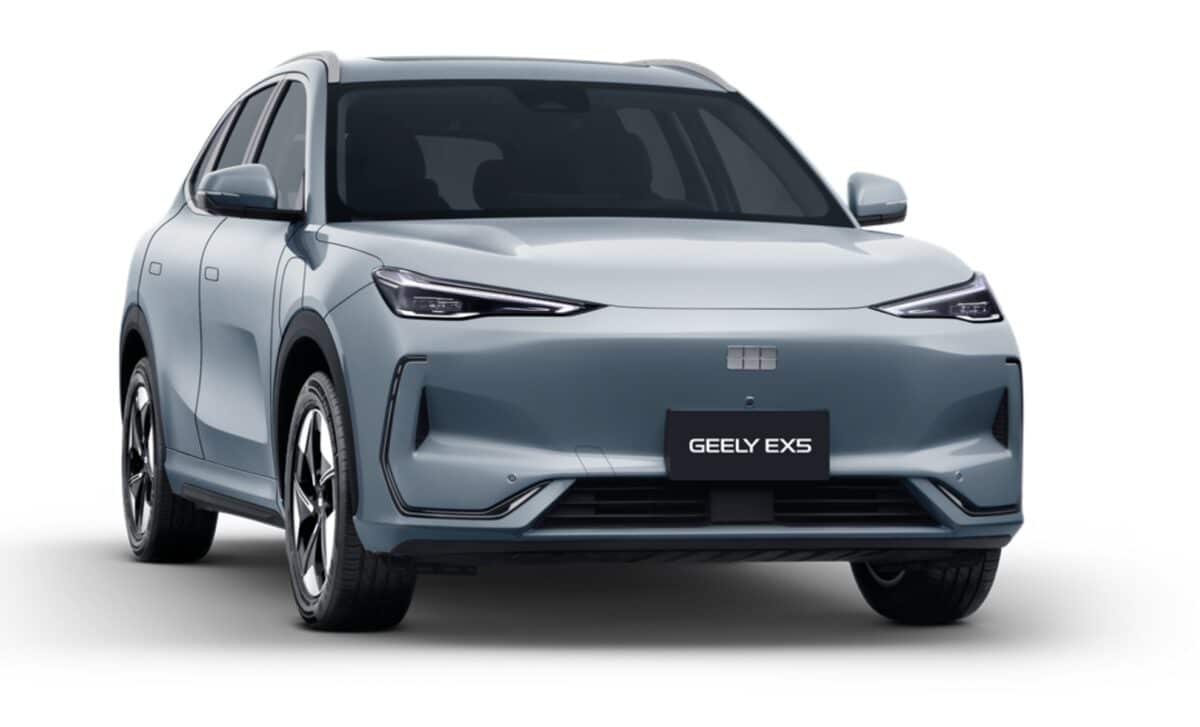
Geely’s product lineup is growing in quality and ambition, especially within its Zeekr and Geely brand portfolios. During a ride-and-drive event at the Las Vegas Motor Speedway, Car and Driver noted that several fully electric vehicles “impressed as standouts” that could appeal to American buyers. Among them, the Geely EX5, riding on the company’s GEA platform (an evolution of what underpins the Volvo XC40), features a front-wheel-drive system with 214 hp and 236 lb-ft of torque. It delivered a quiet, balanced experience and came off as an affordable family EV.
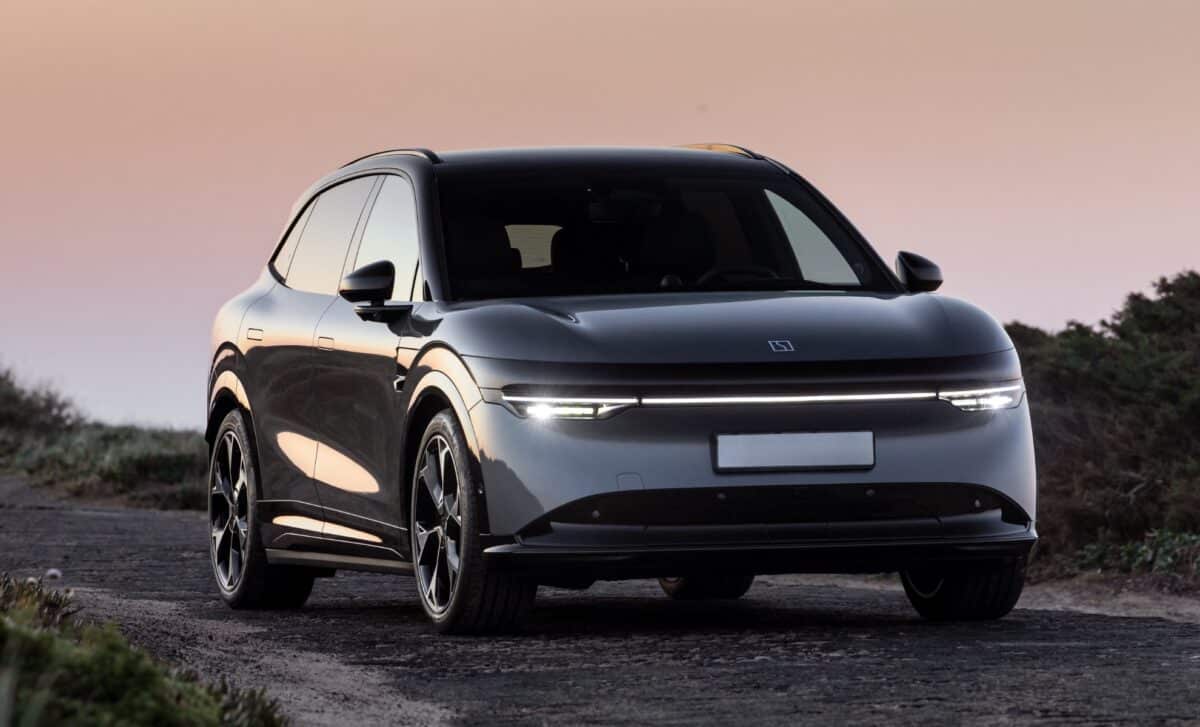
On the performance side, the Zeekr 7X, a roughly 5500-pound SUV, stole the show. With dual motors producing 637 hp and 524 lb-ft of torque, it handled like a much lighter vehicle, taking on slaloms and tight turns with ease. The interior, lined with nappa leather, rivals the Audi Q6 e-tron and offers more refinement than the Tesla Model Y, according to test drivers. A third model, the Zeekr X, shared its platform with the Volvo EX30 but leaned into comfort, offering strong dual-motor acceleration (428 hp, 428 lb-ft) with a more traditional dashboard layout.
The only criticism? Interface consistency. Steering wheels, shifters, mirror controls, and menus varied widely, even within the same brand, which created friction during quick model switches. Some infotainment screens also appeared cluttered compared to U.S. market norms.
Super Hybrids From Lynk & Co. And Zeekr Add Another Layer
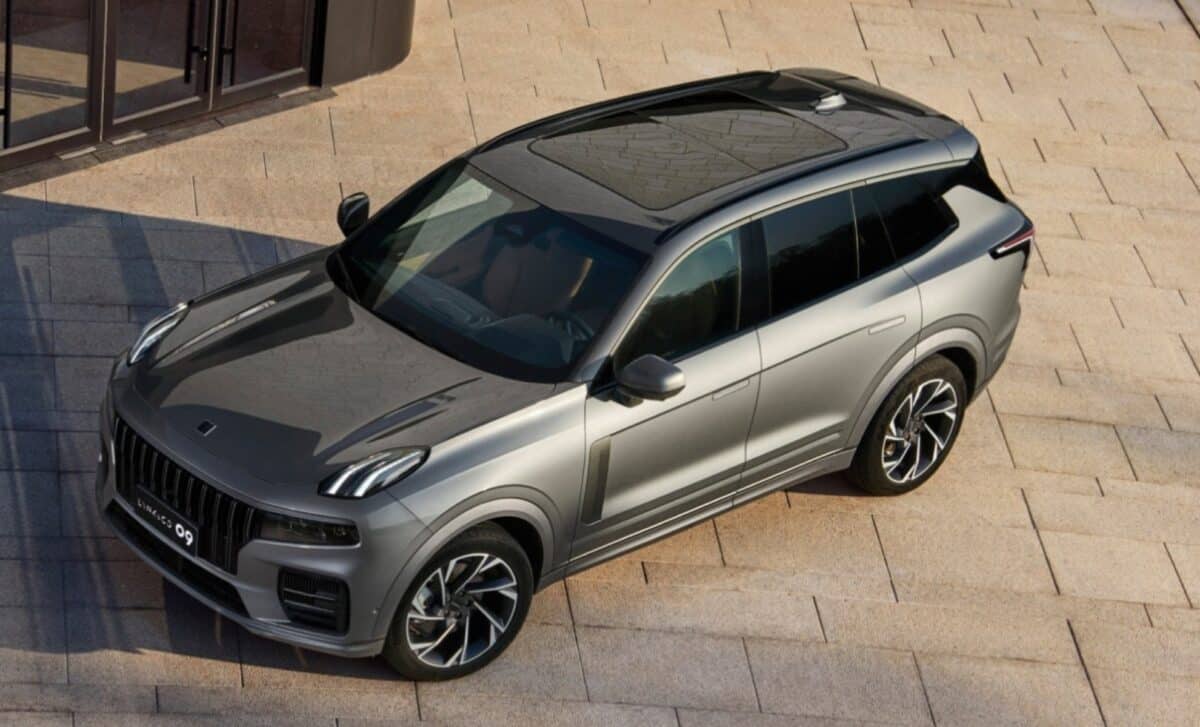
Geely isn’t relying on pure EVs alone. Its plug-in hybrid strategy also played a major role during the CES showcase. The Lynk & Co. 09 SUV came across as a more accessible Volvo XC90, featuring a 48-volt hybrid system with quiet combustion transitions. More interesting was the Lynk & Co. 08 Super Hybrid, which uses a 40-kWh battery to offer up to 124 miles of electric range and a total of 870 miles when combined with its 1.5-liter engine and two-motor front-wheel-drive setup.
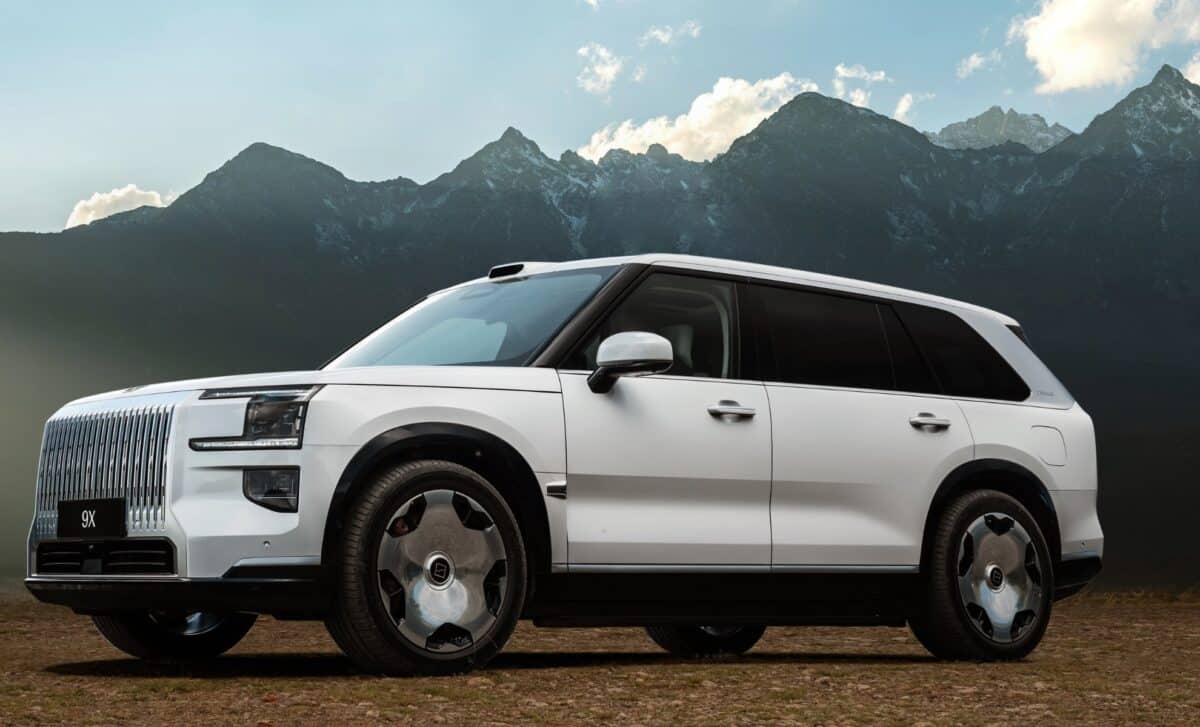
But the real flagship in this category was the Zeekr 9X, a Range Rover-sized plug-in hybrid that wasn’t available for driving but drew attention for its technical specs. It features two electric motors at the rear, another at the front, and a 70-kWh battery. With a total output of up to 1341 hp and a 900-volt system, Zeekr claims it can charge from 20% to 80% in under nine minutes.
According to Giovanni Lanfranchi, head of Geely’s European R&D operations, future models from smaller Geely brands will incorporate parts of this advanced layout. Zeekr, which launched in 2021 as a tech-forward EV brand, has since shifted to include plug-in hybrids, aiming to meet demand across multiple segments.
Manufacturing, Partnerships, and Pricing All in Play
Geely’s expansion strategy leans on existing partnerships and localized production. While there’s been no announcement of a new U.S. plant, the company is already using external factories to bring its vehicles closer to Western markets. In 2025, Geely acquired a 26.4% stake in Renault do Brasil, which grants it access to a Brazilian production facility and the GEA EV platform for local and export models.
In South Korea, Geely builds the Polestar 4 at a Renault-Samsung plant for export to the U.S., and executives hinted at possible use of Volvo factories in Ghent, Belgium and Ridgeville, South Carolina, where the Polestar 3 is produced.
Pricing could be Geely’s biggest competitive edge. In China, the EX5 starts at under $16,000, and the Zeekr 7X begins at about $32,000. In Australia, those figures jump to $30,000 and $40,000 respectively. In Mexico, where Geely began selling in 2023, the EX5 starts under $40,000, and the 7X is around $52,000. How Geely prices these vehicles in the U.S. will shape whether it competes against its own brands like Volvo or goes head-to-head with mainstream and luxury rivals.
Geely Watches, Learns, and Waits for the Right Moment
While Geely didn’t use its CES presentation to officially confirm a U.S. launch, executives made it clear that preparations are underway. Behind the scenes, the company is building a playbook based on experience in Europe and partnerships across the Americas and Asia. Officials hinted at a “two-to-three-year process” involving local production, compliance with sourcing rules, and mitigation of tariff issues.
The Zeekr brand, bolstered by a strong working relationship with Waymo, appears to be leading the conversation internally. Lanfranchi noted that Zeekr had already modified its infotainment systems for Europe and could do the same for the U.S. if needed.
The bigger picture is unfolding slowly, but deliberately. With sales of EVs and hybrids rising 90% year-over-year for Geely in 2025, and a global target of 3.45 million vehicles for 2026, the company is watching the American market closely.