
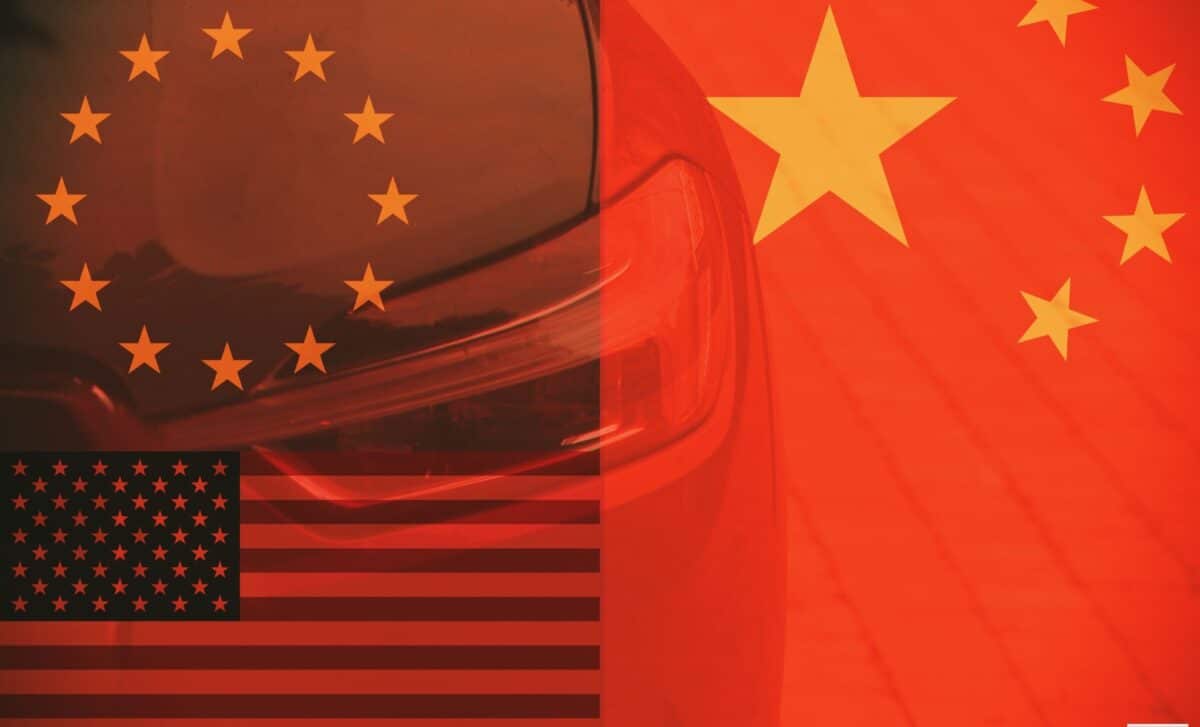
The situation remains unusual. These companies appear present but largely unreachable, avoiding media contact, most industry conferences, and major auto shows, with the exception of CES in Las Vegas.
The stakes are significant because Chinese automakers have become major exporters in other markets. Their U.S. presence, even if limited, shows how closely they are watching the American auto industry.
A Quiet Footprint Across The U.S.
According to Jalopnik, several Chinese automakers have established small operations in the United States, including offices, research centers, and manufacturing-related sites. The companies mentioned include BYD, Chery, Geely, Great Wall Motors, Karma Automotive, Li Auto, Nio, SAIC, and Xpeng.
Their activity is not very visible. They do not generally attend major auto shows, have stayed away from many industry conferences, and often avoid media outreach. That gives their American operations a kind of “ghost” quality: present on paper, but difficult to contact in practice.
One example is SAIC, short for Shanghai Automotive Industry Corp. Its office is located in a five-story building on Big Beaver Road, north of Detroit. The Automotive News describes a locked office door with the SAIC logo, no response to a knock, and no accessible phone directory for callers without an extension.
Major Exporters, Limited Access
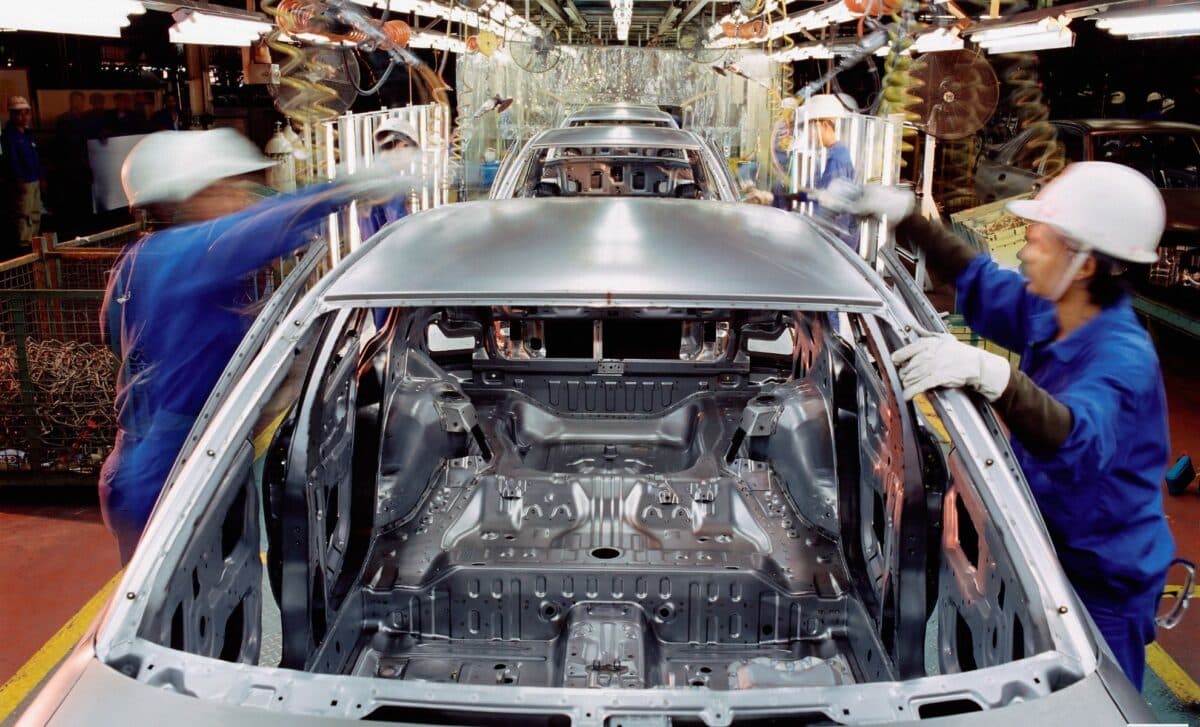
SAIC is not a marginal player. Its MG-brand cars and crossovers are top-10 sellers in dozens of countries, including Mexico. Yet in the United States, its presence appears quiet and difficult to access.
Nio also has a research center in San Jose, California. A phone call to that location reportedly connects to a generic answering machine and a voicemail box that does not identify the company.
Li Auto had plans for a Silicon Valley research center, but public location and contact details are not available. Emails sent to the company’s Chinese headquarters were not returned, and similar attempts to contact other Chinese automakers’ U.S. facilities also received no response.
Tariffs Keep Sales Out Of Reach
Chinese automakers want access to the U.S. market, but they cannot sell vehicles there under current conditions because of 102.5% tariffs. That barrier keeps their products out of American showrooms, at least for now.
China and Canada recently reached a deal allowing up to 49,000 Chinese-made vehicles to be sold in Canada at a reduced tariff rate. Since U.S. and Canadian safety and emissions regulations are roughly aligned, that development is part of the broader context surrounding Chinese automakers’ North American ambitions.
Stephen Dyer, managing director in the automotive and industrial practice at AlixPartners in Shanghai, said Chinese automakers have planted stakes in the United States to keep up with what is happening in the auto industry. For now, that presence remains quiet, limited, and unusually hard to see.