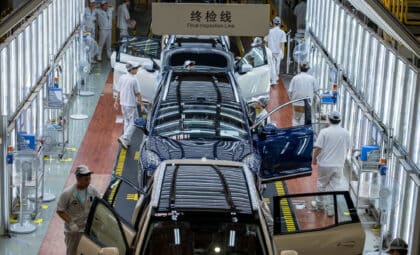
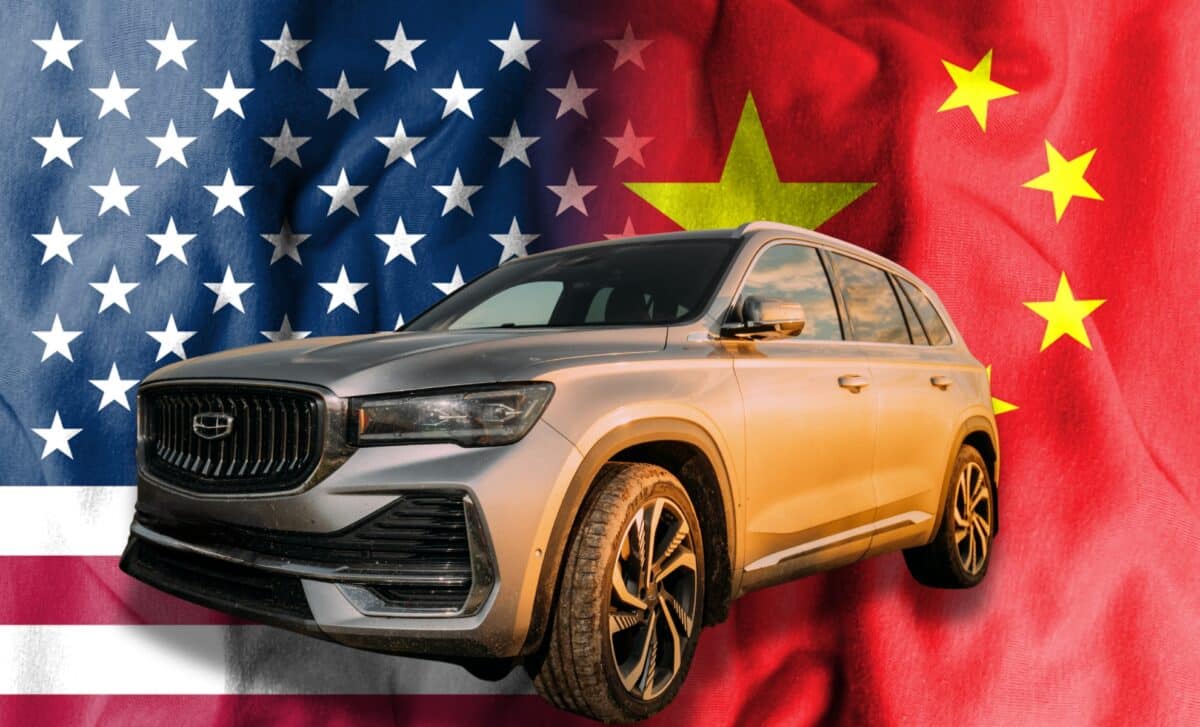
The U.S. car market is becoming increasingly difficult for many consumers to navigate, with average new-car prices hovering around $50,000. The days of finding a cheap new car are fading fast, with experts predicting that by 2026, no new vehicle will be sold in the U.S. for under $20,000. This shift has pushed many buyers toward larger trucks and SUVs, often stretching payments over long loan terms. In light of these rising costs, Chinese automakers are seizing the opportunity to offer a more affordable option.
Geely, which owns Volvo, Polestar, and Lotus, is positioning itself as one of the main players in this space. The company is focusing on its Zeekr and Lynk & Co brands, which it believes will resonate with American consumers. Ash Sutcliffe, Geely’s Head of Global Communications, explained that while the company is well-established in China and Southeast Asia, expanding into the U.S. market is a key goal. As part of their plan, Geely is considering manufacturing these vehicles in the U.S. at its Volvo Ridgeville Plant in South Carolina, which would allow them to tailor the cars specifically for American buyers.
Political and Security Concerns
Despite the potential for Chinese cars to offer a more affordable option, political resistance is a major challenge. The U.S. government has shown hesitance toward Chinese automakers due to national security and data privacy concerns.
Last year, President Joe Biden’s administration imposed a ban on Chinese vehicle software and hardware, set to take effect in 2027 and 2029. These regulations would make it nearly impossible for Chinese automakers to sell cars in the U.S. if they are built using these banned technologies, regardless of where they are manufactured.
President Donald Trump has also weighed in, suggesting that any Chinese automaker trying to sell vehicles in the U.S. would face “a 100 percent or maybe even a 200 percent tariff.” He has, however, left the door open for Chinese companies to build manufacturing plants in the U.S. and employ American workers. This, he suggested, would allow them to avoid tariffs, but any vehicles imported from China would still face steep costs. With these political hurdles, the timeline for Chinese vehicles hitting U.S. roads is uncertain.
Growing American Interest
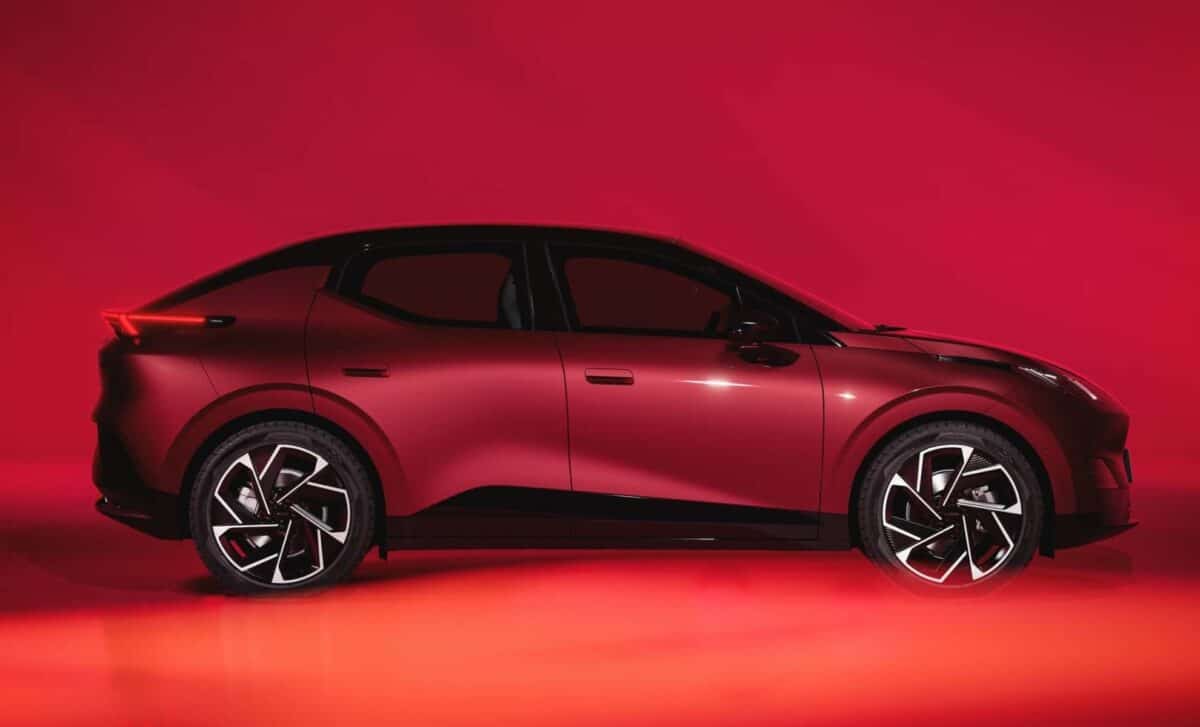
Despite these obstacles, a significant portion of American consumers are warming up to the idea of buying Chinese cars. A 2025 study from AutoPacific found that more than half of the 18,987 consumers surveyed said they would consider purchasing a Chinese vehicle, up 10 percent from the previous year.
The study also revealed that 22 percent of respondents were “very familiar” with Chinese-made cars, while 43 percent were “somewhat familiar.” This growing recognition of Chinese brands like BYD, Geely, and Huawei shows that American consumers are increasingly aware of these companies, partly due to heightened media coverage and exposure in real-world settings.
Another survey by the Dave Cantin Group (DCG) found that about 40 percent of Americans would consider buying a Chinese car, indicating a significant shift in consumer attitudes. Interestingly, 75 percent of dealers surveyed said they wouldn’t be surprised if Chinese vehicles started appearing in their showrooms within the next year. This growing familiarity and interest suggest that, as affordability becomes an even more pressing concern, Chinese vehicles may have a place in the U.S. market.
The Price Advantage
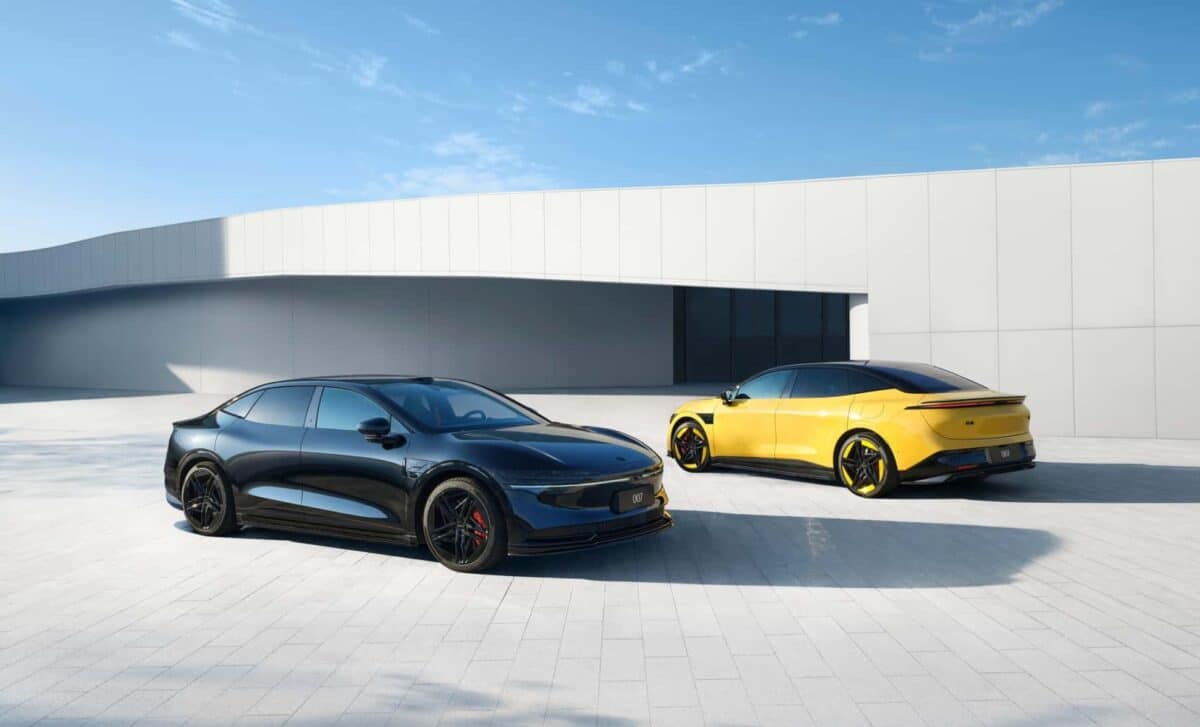
What could be the deciding factor for American consumers is price. Chinese automakers are known for offering excellent technology and extensive features at comparatively low prices. In China, Geely sells several budget-friendly options, particularly in the electric vehicle (EV) sector. The Geely Geome, for instance, is an affordable EV priced at roughly $10,000, offering almost 200 miles of range. Meanwhile, the Geely Emgrand sedan, priced as low as $6,800, offers a highly affordable alternative to similar models in the U.S.
While the prices of these vehicles might not be drastically lower than American or European counterparts, if Geely can produce similar cars in the U.S. without incurring heavy tariffs, they could undercut local prices. This could make Chinese cars especially attractive to budget-conscious consumers. Lynk & Co’s 02 SUV, priced at approximately $19,000 in China, could also appeal to American buyers seeking more affordable yet feature-rich vehicles.
Security Concerns Remain
However, concerns over data and security issues are far from resolved. According to the AutoPacific study, 80 percent of consumers expressed worries about data security in Chinese vehicles in 2024, although that number dropped slightly to 77 percent in the following year. While these concerns are significant, the decline in worry could indicate a shift in consumer attitudes as more exposure to Chinese vehicles occurs, particularly in the EV market.
Ultimately, the success of Chinese automakers in the U.S. hinges not only on their ability to offer affordable vehicles but also on how well they address security concerns and navigate the political landscape. As the U.S. car market becomes more difficult to navigate for American consumers, the appeal of cheaper Chinese cars may grow, especially if these companies can provide competitive vehicles at prices that outpace their competitors.