

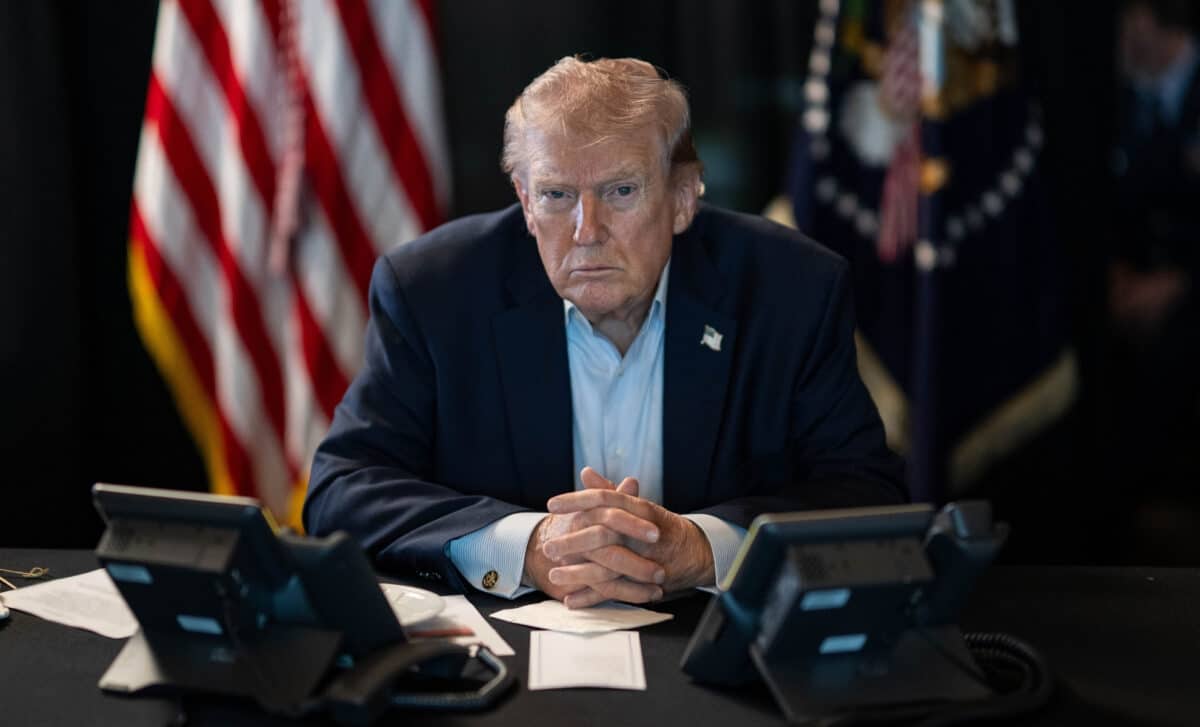
The announcement was made Friday on Trump’s Truth Social platform, where he accused the EU of failing to honor the terms of what he described as a “fully agreed to Trade Deal.” He did not provide specific details supporting the claim.
The decision follows a trade framework reached last summer between Trump and European Commission President Ursula von der Leyen, known as the Turnberry Agreement. That deal had capped US tariffs on EU autos and parts at 15%, lower than the 25% duties imposed on many other trading partners.
A Sudden Escalation in Tariff Policy
According to France 24, Trump stated that tariffs on EU vehicles would rise to 25% as early as next week. In his post, he wrote that the European Union “is not complying with our fully agreed to Trade Deal,” without elaborating further on the alleged violations.
The planned increase marks a reversal from the earlier agreement, which had established a 15% ceiling on tariffs for most goods traded between the US and the EU. The original arrangement had been presented as a stabilizing measure for transatlantic commerce after previous tensions.
A Deal Already Under Legal and Political Strain
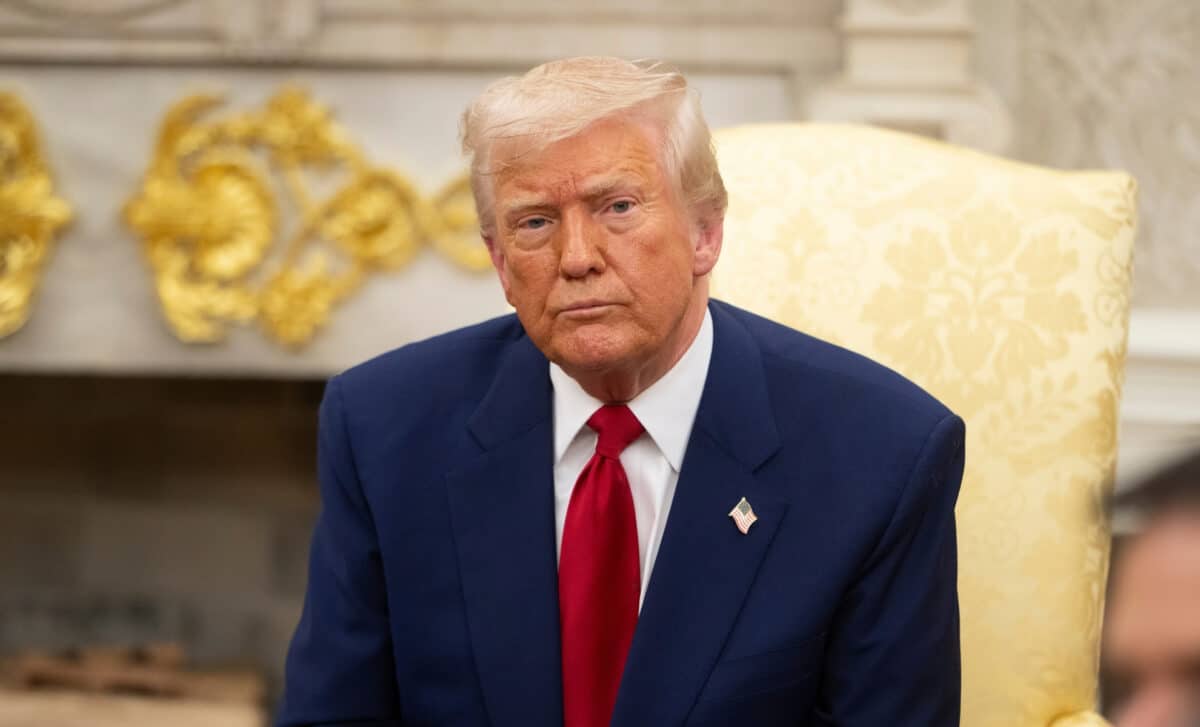
The status of the 2025 trade agreement had already been weakened earlier this year. The US Supreme Court ruled that the president lacked the legal authority to declare an economic emergency in order to impose tariffs on EU goods.
Following that ruling, the tariff ceiling was effectively reduced to 10% as the administration introduced new import taxes under different legal provisions. This legal setback added uncertainty to the framework that both sides had previously pledged to maintain.
Germany and Broader Tensions in Focus
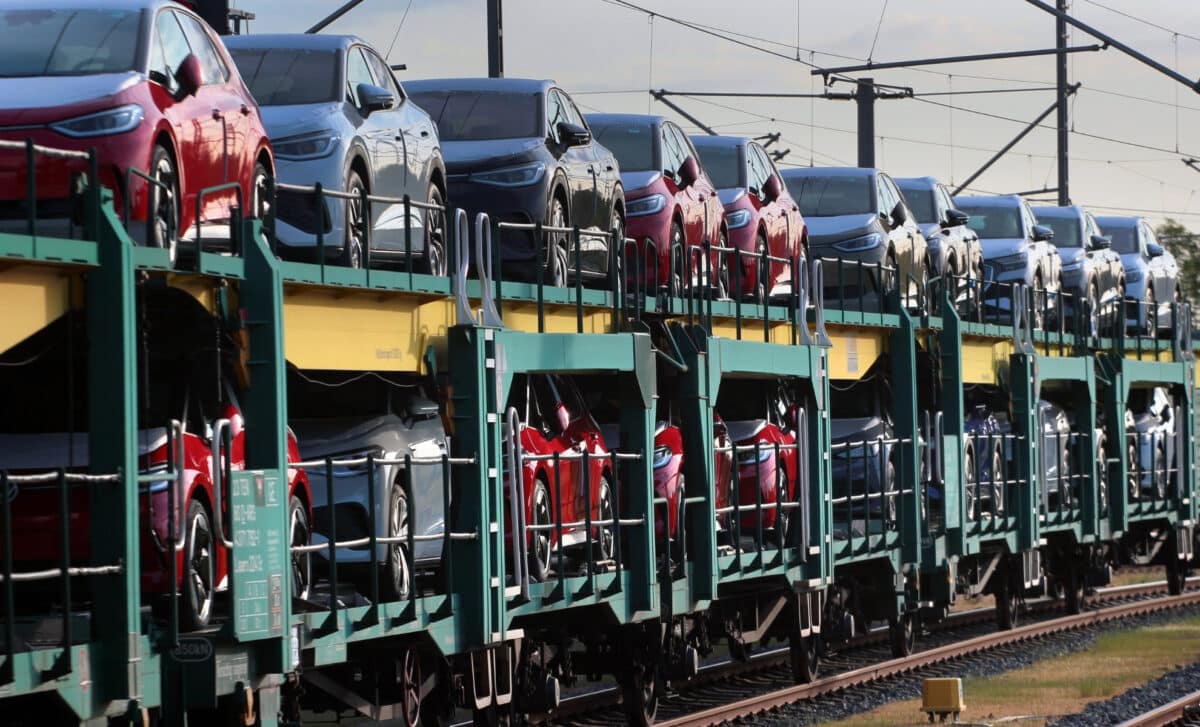
Germany is expected to be particularly affected by any increase in tariffs, as it accounts for a significant share of EU auto exports to the United States. The announcement also comes amid renewed political tensions.
Trump recently criticized German Chancellor Friedrich Merz, urging him to prioritize ending the war in Ukraine rather than “interfering” in matters related to Iran. The timing of the tariff decision, just a day after those remarks, adds another layer to the already strained relations.
Despite earlier commitments from both Washington and Brussels to uphold the Turnberry Agreement, the latest announcement signals a potential shift in US trade policy toward the European Union, with immediate implications for the automotive sector.