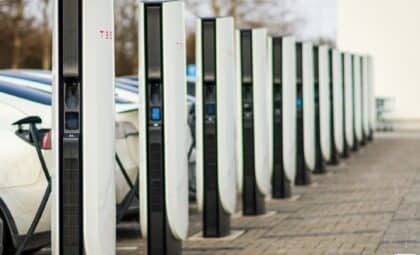

As electric vehicles continue to gain traction, questions about their long-term maintenance needs have become more prominent. Compared to internal combustion engine (ICE) vehicles, EVs eliminate several common service requirements, reshaping both cost expectations and ownership habits.
The topic matters for consumers weighing the practicality of switching to electric mobility. While EVs reduce many maintenance burdens, they introduce specific components and challenges that differ from those of conventional cars.
Fewer Consumables And Routine Interventions
Electric cars eliminate some of the most familiar maintenance tasks associated with gasoline vehicles. According to EV Charging Stations, EVs do not require oil changes, as they lack internal combustion engines entirely. Similarly, there is no engine air intake filter to replace.
Basic consumables remain part of ownership. Windshield washer fluid must still be refilled, and wiper blades replaced, although installation methods vary by manufacturer. Tires require particular attention: EVs are heavier than gasoline cars, and experts cited by the same source indicate that their tires wear out about 20% faster.
Cabin air filters are still present in many modern EVs and can be replaced easily using guidance from the owner’s manual or widely available instructional videos. Tune-ups, once standard for gasoline engines, are not required for EVs and are increasingly unnecessary even for newer ICE vehicles.
Reduced Mechanical Wear But Long-term Servicing Needs
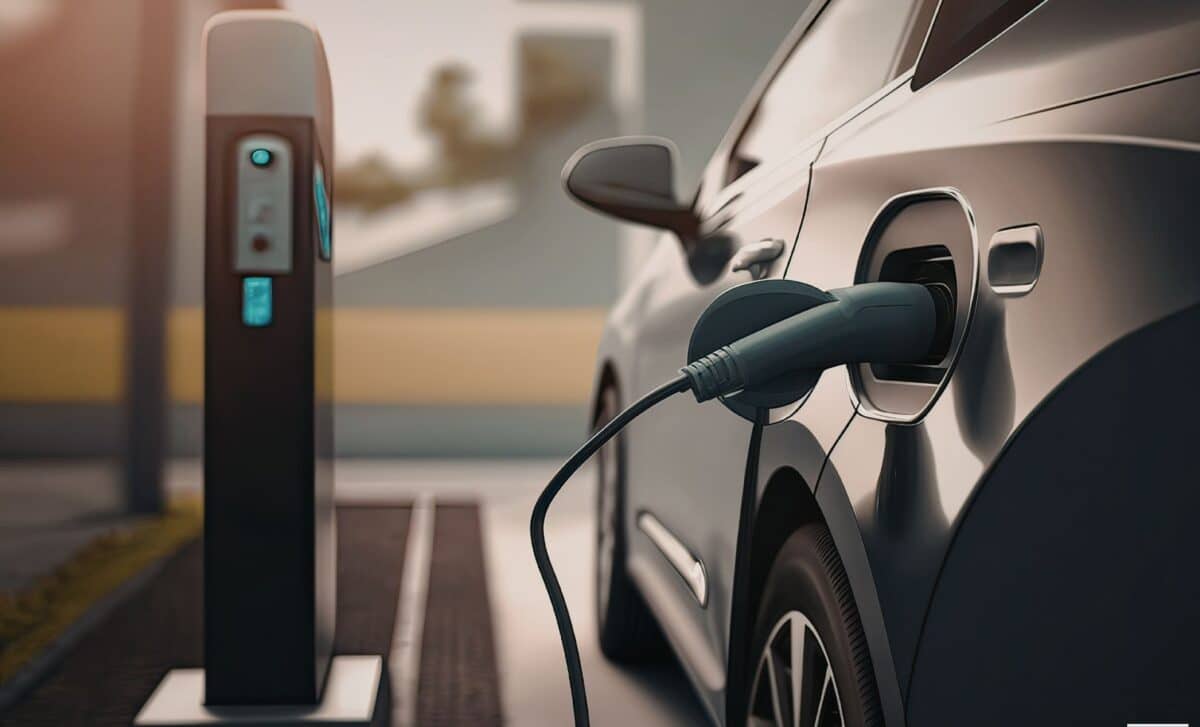
Routine maintenance for electric vehicles is limited to a small set of recurring tasks. These include refilling washer fluid, maintaining cabin air filters, and rotating tires. More substantial servicing—such as gearbox oil changes or radiator flushes—typically occurs around 100,000 miles.
Brake systems also behave differently in EVs. Regenerative braking reduces mechanical wear, allowing brake components to last significantly longer. Estimates cited in the source suggest that EV brakes may last about twice as long as those in gasoline vehicles.
Still, EVs are not maintenance-free. Components can degrade or fail over time, requiring replacement like in any other vehicle. The difference lies in frequency and complexity rather than complete elimination of upkeep.
The Persistent Issue Of 12-volt Battery Failures
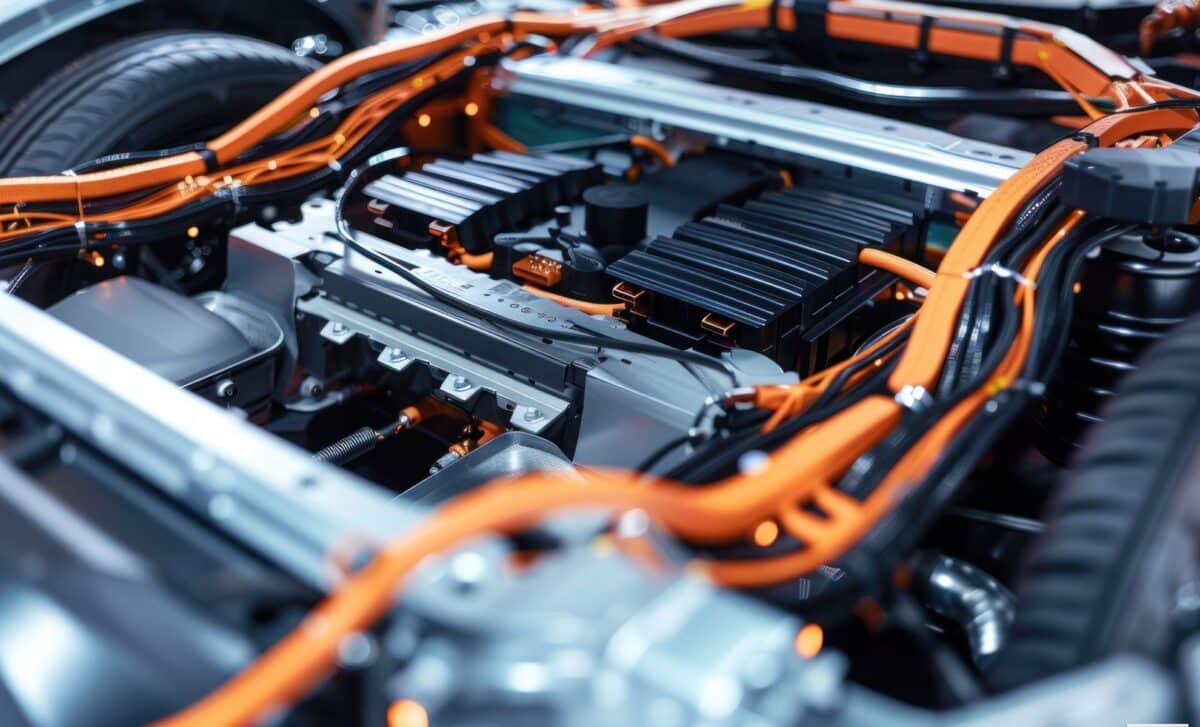
Despite their advanced technology, electric vehicles still rely on a traditional 12-volt battery system. This component is critical for powering essential functions such as lights, infotainment systems, and onboard computers, even when the vehicle is turned off.
This reliance creates a notable weakness. The 12V battery acts as a single point of failure and has been linked to repeated issues, even contributing to vehicle buybacks in some cases. This system remains necessary because many automotive components still operate on 12 volts, a standard dating back decades.
Charging this battery presents additional challenges. In gasoline cars, an alternator maintains the battery charge while the engine runs. In EVs, a DC-DC converter performs this role. Maintaining the correct voltage is difficult when electrical demand fluctuates, such as when using heating systems. This can accelerate battery wear.
Some manufacturers have begun addressing the issue. Tesla, for example, has started replacing traditional lead-acid 12V batteries with lithium-ion alternatives, which are more expensive but resolve certain reliability concerns.
Electric vehicle maintenance, while simplified in many respects, continues to evolve as manufacturers refine these underlying systems.