
The move marks a reversal of a previously firm stance set by the EU, which had aimed to phase out combustion engine vehicles in favor of electric alternatives to curb carbon emissions.
Automakers, particularly those in Germany, had warned that the ban could threaten jobs and the industry’s economic stability, urging for a reconsideration of the timeline. This shift is seen as a response to these concerns, alongside growing recognition that alternatives to fossil fuels, such as synthetic fuels, are necessary for the future of the automotive sector.
Pressure from Automakers and Political Leaders
The decision to abandon the 2035 ban on combustion engines follows significant pressure from both the automotive industry and political leaders. Automakers have voiced concerns about the underdeveloped infrastructure for electric vehicles (EVs), particularly charging networks, and the higher costs associated with EV production.
According to Apostolos Tzitzikostas, the Commissioner for Sustainable Transport and Tourism, the EU was heavily influenced by a letter from German Chancellor Friedrich Merz to European Commission President Ursula von der Leyen, which helped persuade the EU to reconsider the ban. The letter was reportedly well-received in Brussels, marking a turning point in the debate over the future of combustion engines in Europe, reports Motor1.
In addition to the logistical challenges of transitioning to EVs, the EU faced warnings that the abrupt phase-out of combustion engines could result in the loss of hundreds of thousands of jobs in the automotive manufacturing sector.
Renewable Fuels as the Future of Combustion Engines
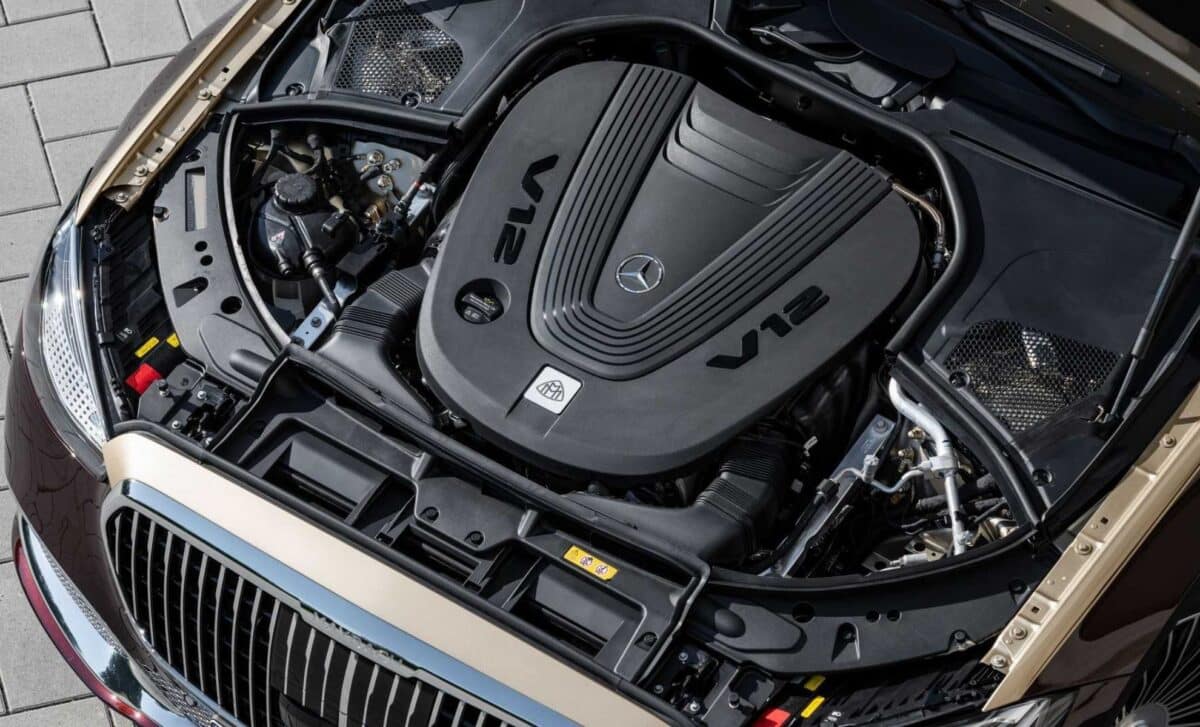
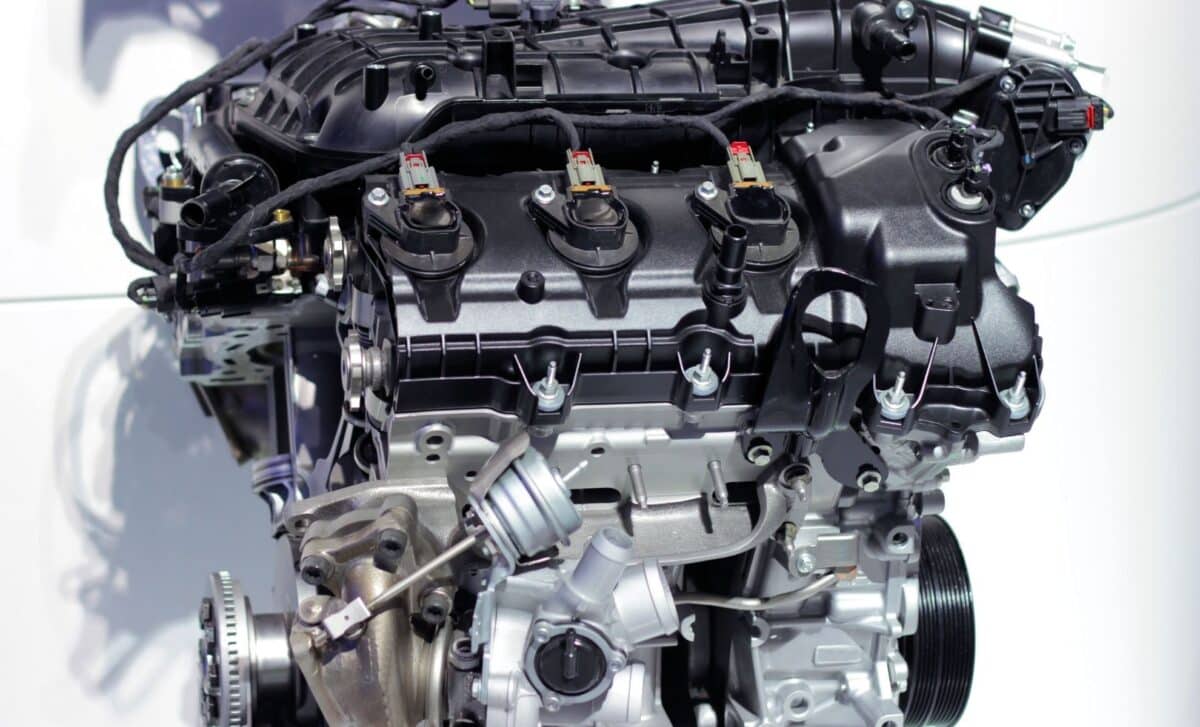
While the EU has backed away from banning combustion engines altogether, the shift comes with significant caveats. Vehicles with combustion engines will still be allowed, but only if they run on low-emission renewable fuels, such as synthetic fuels and biofuels. These alternatives are seen as a way to significantly reduce the carbon footprint of traditional internal combustion engine vehicles.
BMW, for example, has already begun using HVO100, a biofuel made from hydrotreated vegetable oil, in its diesel cars. This fuel is said to reduce emissions by 90 percent compared to standard diesel. Similarly, Porsche has been experimenting with eFuel, a synthetic fuel produced with wind energy in a virtually carbon-neutral process in Chile. These fuels could offer a bridge between traditional combustion engines and fully electric vehicles, depending on how the infrastructure for production and distribution develops.
While the EU has not yet finalized all of its regulations regarding the use of these fuels, it is clear that synthetic and biofuels will play a key role in the future of combustion engine vehicles in Europe.
A Mixed Future for Electric and Hybrid Cars
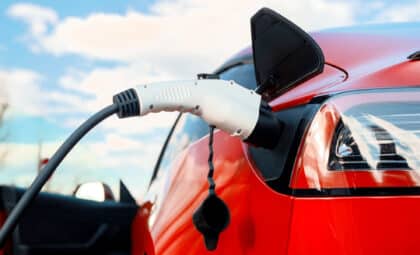
Despite the EU’s shift on combustion engines, electric vehicles continue to gain ground in Europe. According to the European Automobile Manufacturers’ Association (ACEA), EVs represented 18.3 percent of total car sales across the EU in the first ten months of 2025, while plug-in hybrids accounted for 9.4 percent. However, the rise of hybrids, which make up 34.7 percent of the market, suggests that consumers are still favoring a blend of electric and traditional powertrains.
The EU is working to ensure that the transition to greener technologies is both economically viable and socially fair, according to Tzitzikostas. While the full phase-out of combustion engine vehicles may be delayed, the emphasis is now on finding a balance that allows for the continued use of less-polluting combustion engines, such as those running on synthetic fuels. The final details regarding the future of plug-in hybrids and range-extended vehicles, particularly those using fossil fuels, are still under review.