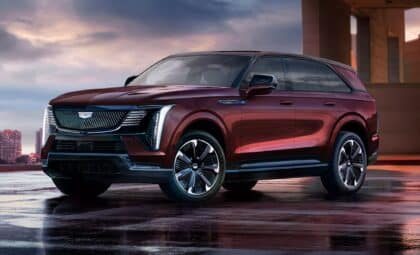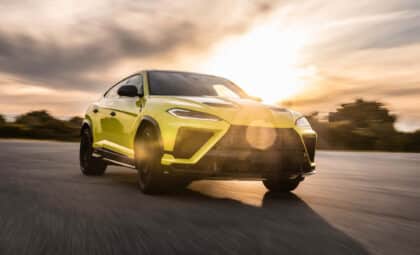
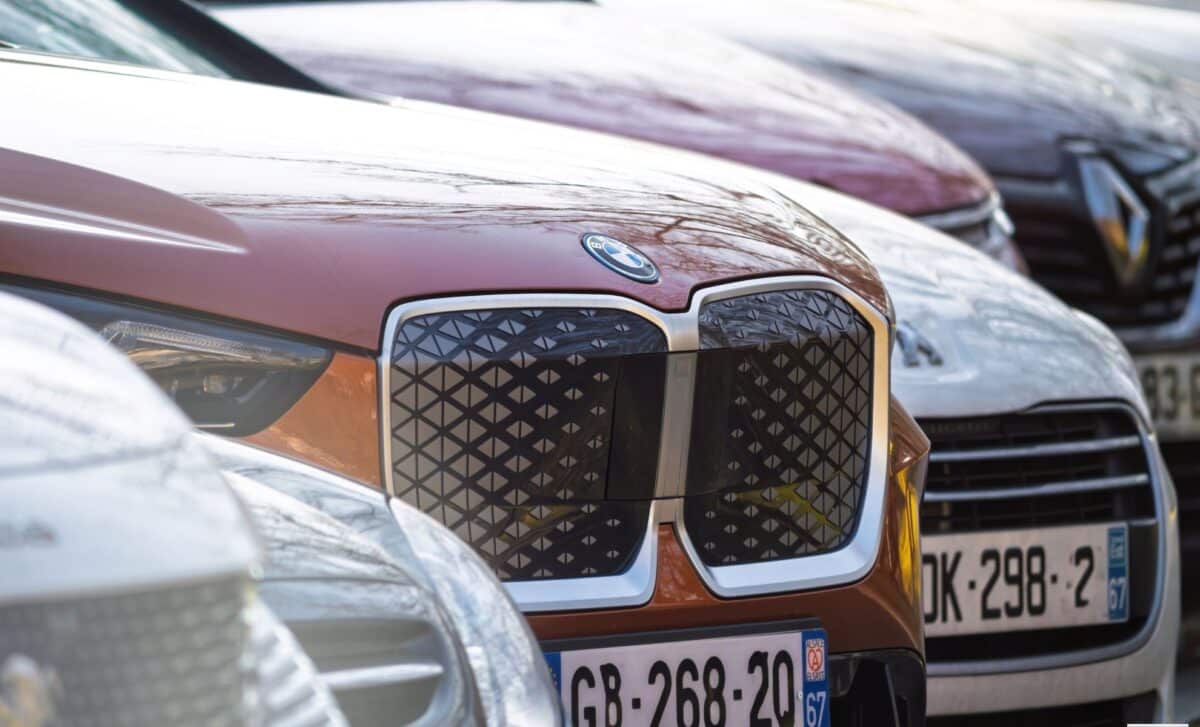
For decades, European cars have been seen as high-risk purchases, with maintenance bills and complex electronics intimidating potential buyers. Luxury SUVs and sports cars, in particular, were often assumed to become financial burdens the moment their warranties expired. However, predicted reliability data from Consumer Reports, based on owner surveys across recent model years, indicates that some models perform much better than expected. The vehicles highlighted are familiar on American roads and are not obscure models known only to hardcore enthusiasts.
This emerging picture challenges the conventional wisdom surrounding European car ownership. While repair costs remain higher than mainstream vehicles, the likelihood of catastrophic mechanical failure appears lower for several models, making them more approachable choices for buyers who had previously hesitated. These vehicles offer a balance of performance, style, and dependability that may surprise potential owners.
Compact And Sporty Models Defy Expectations
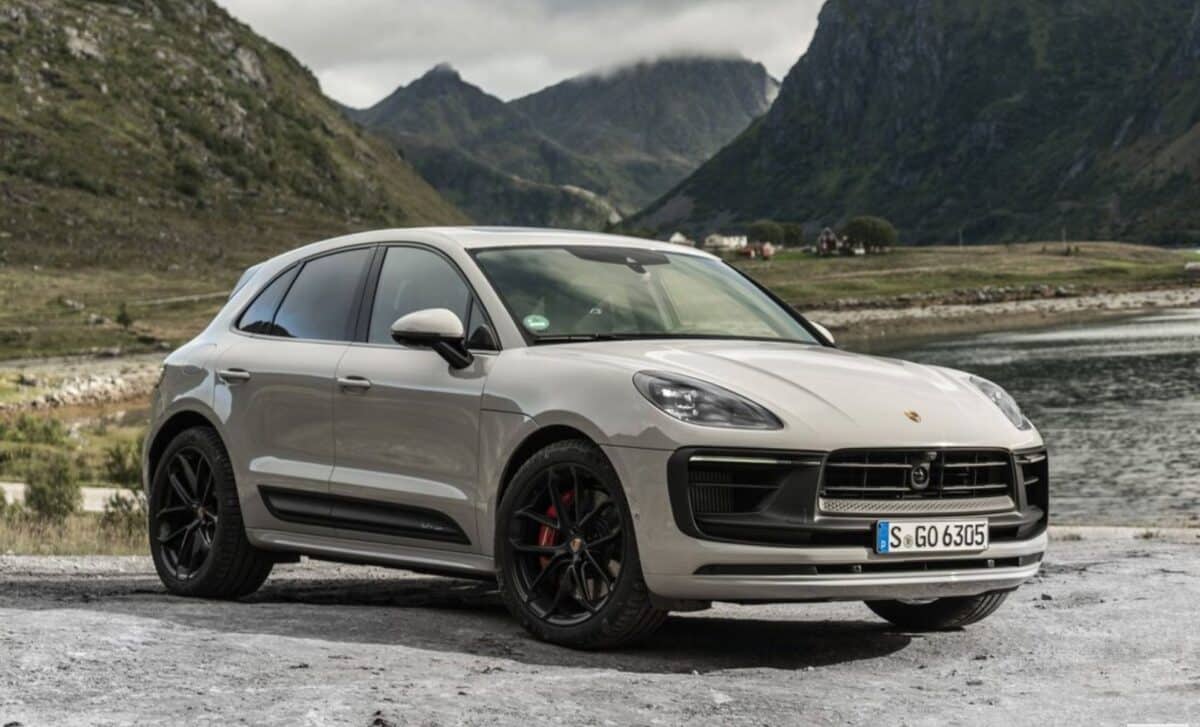
The Porsche Macan, a compact luxury SUV, blends Porsche performance with practical usability. Offering turbocharged powertrains and handling that lives up to the badge, the Macan has traditionally been viewed as a potentially expensive ownership experience. Yet, according to Consumer Reports, its predicted reliability ranks among the strongest for European vehicles. This challenges the perception that every German SUV is a financial risk, demonstrating that prestige and practicality can coexist.
Similarly, the BMW 2 Series maintains the small rear-drive format that has defined the brand, even as the luxury market trends toward taller, softer vehicles. With engines ranging from a turbocharged inline-four in the 230i to a turbocharged inline-six in the M240i, plus options for rear-wheel and all-wheel drive, the 2 Series offers enthusiast appeal without the reliability fears usually associated with high-performance German coupes. JD Power has rated its quality and reliability as “great,” underscoring that fun and dependability are not mutually exclusive.
The Porsche 718 Boxster also illustrates the potential for performance and reliability to coexist. With engines spanning a turbocharged flat-four to a naturally aspirated flat-six in the GTS 4.0 and Spyder RS, and power outputs approaching 500 horsepower, the Boxster remains a highly engineered sports car. According to Jalopnik, the Consumer Reports data suggests owners are less likely to encounter costly repairs than one might assume, indicating that mid-engine performance need not equate to mechanical fragility.
Luxury Suvs Balance Power And Practicality
The Porsche Cayenne, often seen as a heavyweight family SUV, offers turbocharged V6 engines, plug-in hybrid options, and even a Cayenne Turbo E-Hybrid producing 729 horsepower. Despite its size and complexity, predicted reliability positions it as one of the stronger European SUVs, countering the stereotype of high-performance German SUVs as inevitable financial pitfalls.
BMW’s X5 and X7 demonstrate that large luxury SUVs can also be surprisingly dependable. The X5 starts with a 375-horsepower turbocharged inline-six and includes plug-in hybrid options, while the X7 offers engines up to a 523-horsepower twin-turbo V8, with three rows of seating. Both models achieve reliability scores comparable to highly regarded non-European competitors, highlighting that even flagship German SUVs can provide stability alongside luxury features and performance.

Compact And Versatile Options For Everyday Use
Mini’s lineup offers a different approach, emphasizing charm and practicality. The modern Cooper, Cooper S, and John Cooper Works models range from 161 to 228 horsepower and have shown strong reliability, climbing to the number-two spot in JD Power’s 2026 U.S. Vehicle Dependability Study for the mass market segment. The Countryman expands this playful formula into a practical crossover, with engines up to 312 horsepower and all-wheel-drive options, achieving reliability comparable to vehicles like the Honda CR-V Hybrid and Civic.
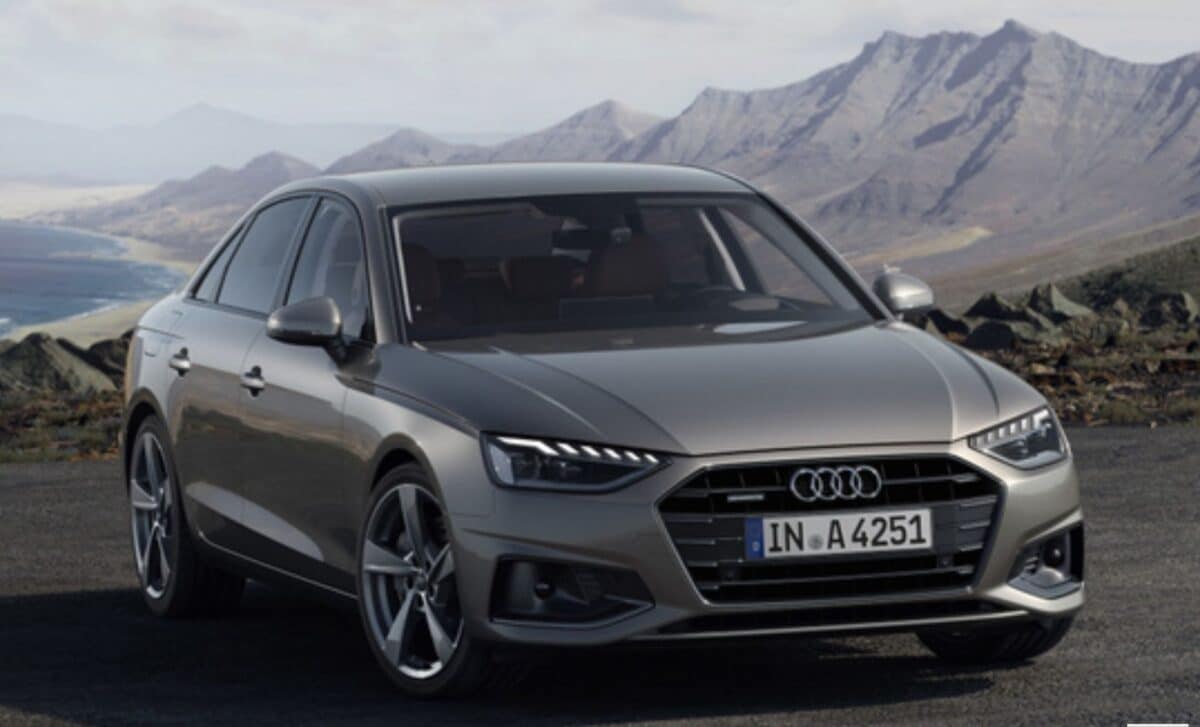
Audi’s A4 rounds out the list as a quietly competent European sedan. With a turbocharged four-cylinder paired with a mild-hybrid system, standard all-wheel drive, and a seven-speed dual-clutch automatic, the A4 prioritizes functional luxury and consistent performance. Predicted reliability data places it among the more dependable European sedans, demonstrating that understated design and refined engineering can yield both comfort and stability.
These findings illustrate a shift in European car ownership expectations. While high costs for maintenance remain a reality, several popular models, from sporty coupes to large SUVs, show that reliability can match prestige. Buyers can now consider European vehicles with more confidence, challenging long-held assumptions about unpredictability and financial risk on the road.