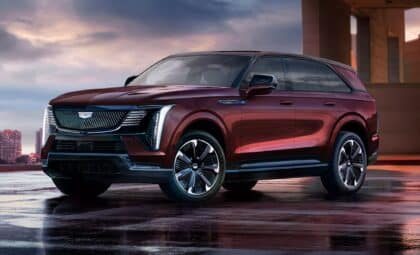
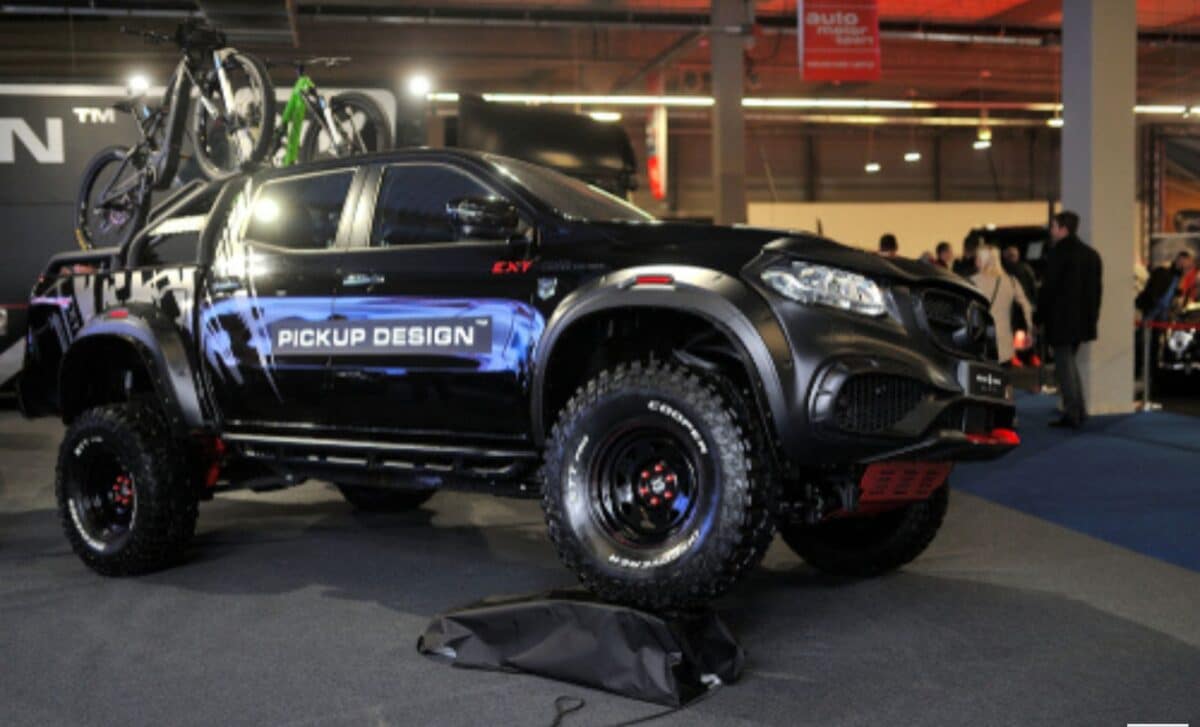
At the New York Auto Show, automakers are increasingly emphasizing midsize SUVs and trucks, reflecting what buyers are choosing in real time. This change comes as electric vehicles struggle to maintain earlier momentum.
The trend is backed by fresh data and industry voices, pointing to affordability concerns, policy shifts, and broader market pressures. Together, these elements are redefining what sells in today’s automotive landscape.
Sales Data Highlights A Clear Market Reversal
Recent figures show a strong divergence between vehicle categories. According to Cox Automotive and Kelley Blue Book, midsize SUV sales rose by 15% and midsize truck sales increased by 14% compared to the same period last year, as reported by FOX Business.
In contrast, smaller segments are losing traction. Compact car sales declined by 8%, while electric vehicles saw a sharper drop of 26% in February year over year.
Electric vehicle adoption, which had previously shown steady growth, has become more uneven. EVs accounted for 10.5% of U.S. new-vehicle sales in the third quarter of 2025, but that share fell to 5.8% in the fourth quarter after incentives faded, highlighting a rapid pullback.
Automakers Respond To Changing Consumer Demand
At the New York Auto Show, manufacturers are adjusting their strategies to align with current buying patterns. According to correspondent Jeff Flock, automakers are leaning more heavily into SUVs and trucks as demand shifts.
This repositioning reflects a broader disconnect between long-term industry goals around electrification and short-term consumer preferences. The renewed focus on larger vehicles suggests companies are prioritizing segments that continue to deliver consistent sales gains.
The shift is visible not only in product lineups but also in how brands present themselves at major industry events, where trucks and SUVs are taking center stage.
Tariffs And Costs Add Pressure Across The Industry
Beyond consumer preferences, external economic factors are also shaping the market. Nissan Americas Chairman Christian Meunier pointed to tariffs as a significant challenge affecting both automakers and suppliers.
“It’s a lot of money, but it’s a lot less than the exposure we had a year ago when it was implemented,” Meunier said. He noted that Nissan has worked to reduce its financial exposure, lowering it from $4 billion initially to $1.5 billion in 2025, with a goal of reaching zero. According to Meunier, increasing domestic production is central to that effort: “That’s our mission to build as many cars in the U.S. as we can.”
At the same time, affordability remains a key issue influencing buyers, contributing to the slowdown in electric vehicle adoption and reinforcing the appeal of more traditional vehicle segments.