
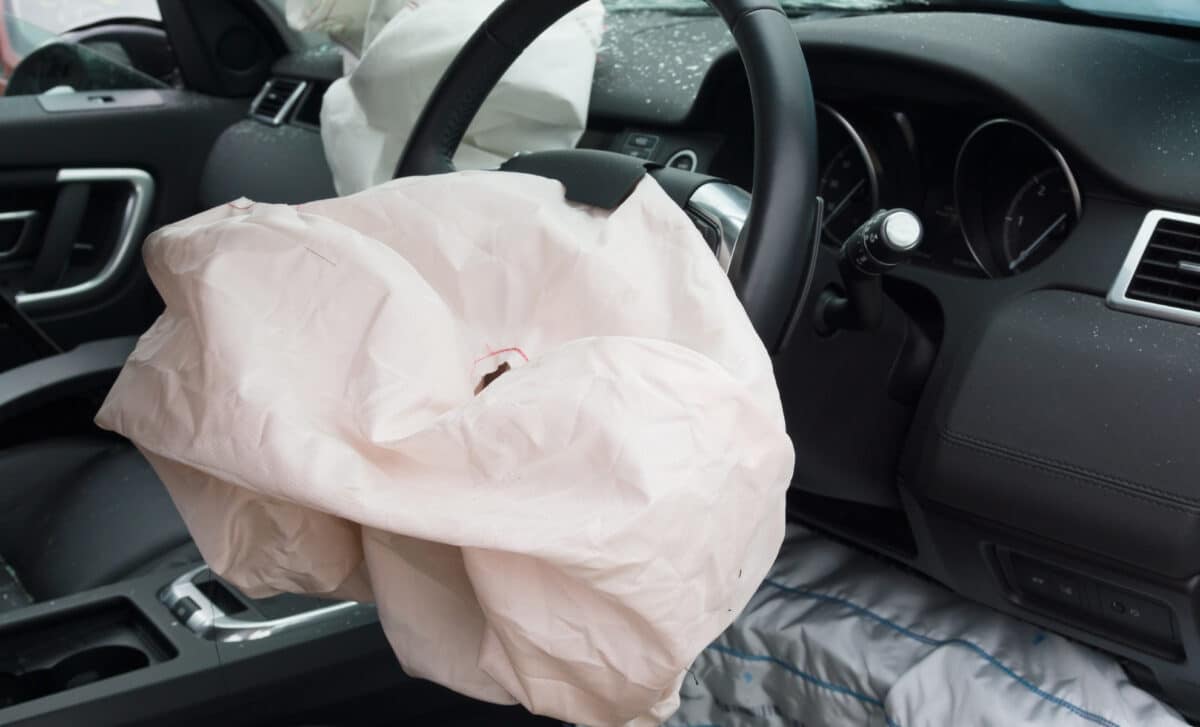
The National Highway Traffic Safety Administration (NHTSA) disclosed that the investigation centers on airbag inflators produced by Jilin Province Detiannuo Safety Technology Co. The agency’s findings point to a troubling pattern involving replacement airbags installed after prior crashes, raising concerns about oversight in the secondary parts market.
The issue echoes past large-scale safety crises in the auto industry. According to federal officials, these airbags may not only be defective but also illegally imported, complicating enforcement and traceability across repair networks.
Fatal Failures Tied to Replacement Airbags
According to the NHTSA, 12 crashes over a three-year period form the basis of the current investigation, with 10 fatalities and two serious injuries attributed to the inflators. These airbags reportedly failed to deploy properly and instead expelled metal fragments toward drivers, causing severe harm to the chest, neck, eyes, and face.
The agency notes similarities with the earlier Takata airbag crisis, where defective inflators led to widespread recalls. In this case, the inflators under scrutiny were manufactured between 2021 and 2022 and were often installed as replacements following earlier collisions.
U.S. Transportation Secretary Sean Duffy described the findings as alarming, stating that the use of substandard imported parts is “killing American families,” as reported in the official release.
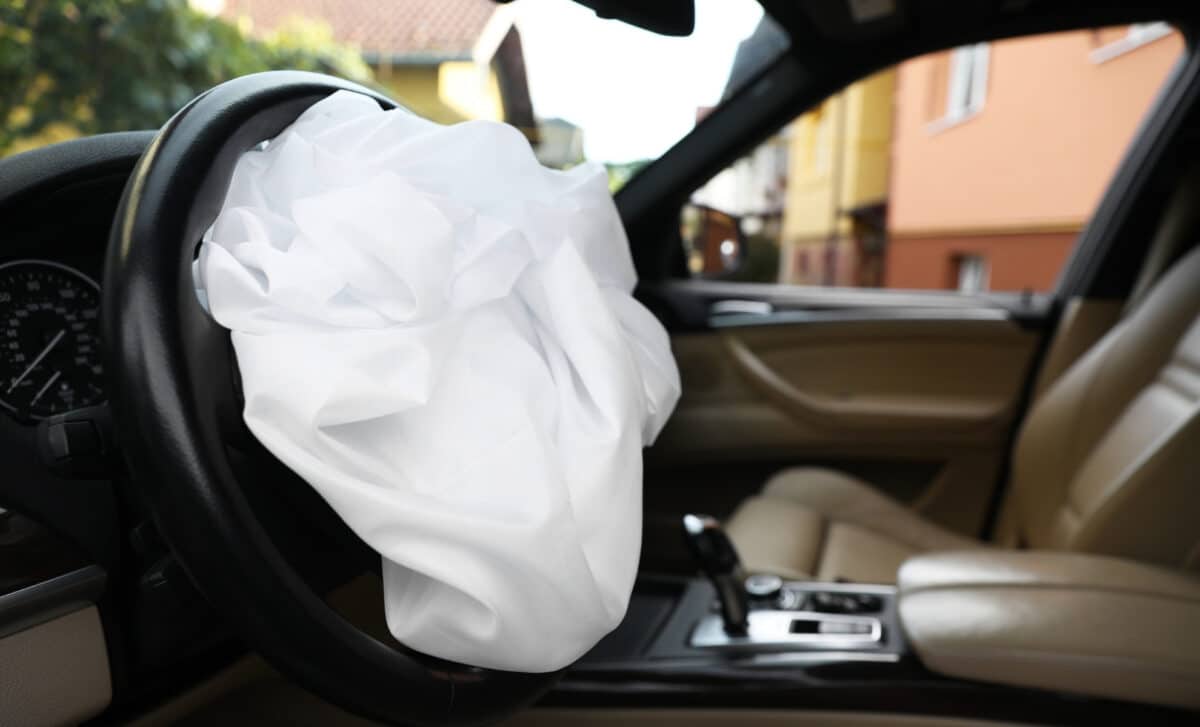
Investigation Highlights Gaps in Repair Supply Chain
The investigation began in October 2025 after the first eight crashes were recorded. According to information cited by federal regulators, 10 of the 12 incidents involved vehicles where the original airbags had been replaced with units produced by DTN.
Some of these replacement parts were suspected to be counterfeit or below required safety standards. The affected vehicles identified so far include 2018–2022 Chevrolet Malibu and 2017–2019 Hyundai Sonata models, though authorities have not confirmed whether the issue extends beyond these cars.
The uncertainty reflects broader challenges in monitoring aftermarket components. NHTSA officials acknowledged they do not yet know how widespread the use of these inflators may be.
Regulators consider permanent ban amid limited response
Federal regulators formally contacted the manufacturer on December 23, 2025, and again on March 6, 2026, requesting detailed information. According to the agency, DTN responded once in early February but has not provided further communication since.
In response, NHTSA issued a preliminary determination that certain DTN inflators are defective. The company has been given the opportunity to contest the findings, while the agency evaluates whether a permanent ban on U.S. sales is necessary.
Public comments on the decision are being accepted until April 17. In the meantime, regulators are urging vehicle owners to review their car’s history, especially if it has been involved in a crash since 2020, as reported by Road & Track.