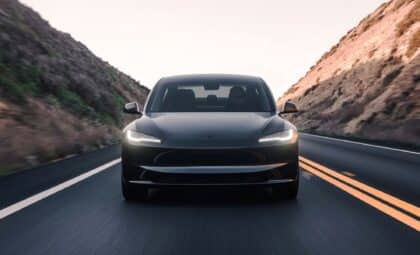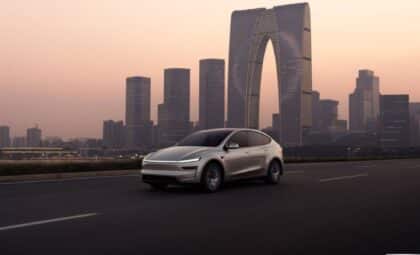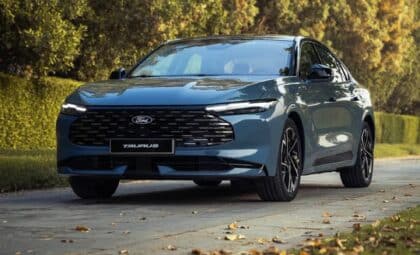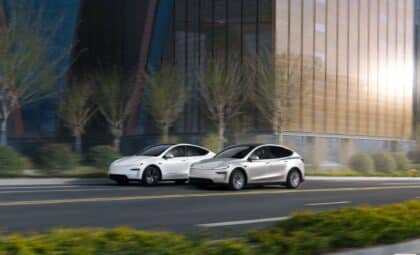

The comments mark a notable shift in the perception of Tesla’s role after years of dominance in the EV sector. While the American automaker helped define the modern electric car market, other players are now shaping its direction.
For much of the past decade, Tesla established itself as the reference point for electric vehicles. Although the company dates back to the mid-2000s with the launch of the Lotus-based Roadster in 2008, it was during the 2010s that the broader auto industry began to take notice and respond to its innovations.
Ford Turns Its Attention to Chinese EV Leaders
Jim Farley has openly expressed admiration for the rapid progress made by Chinese automakers. According to Motor1, he has recently been testing the Xiaomi SU7, which he described as a new benchmark in the sector.
During an appearance on the Rapid Response podcast, Farley explained that Ford’s competitive focus has evolved. He said that those in the United States who want domestic automakers to succeed should look beyond Tesla and pay closer attention to Chinese companies. In the same remarks, he clarified that Tesla is still performing well, but no longer defines the competitive target.
Farley singled out BYD as a key rival. He called the company “the best in the business for us,” citing its strengths in cost control, supply chain management, and manufacturing efficiency. BYD has also become the top-selling automaker in China, overtaking Volkswagen.
Tesla Faces Questions over Its Product Lineup
Farley also pointed to Tesla’s recent product cycle as a factor in this shift. He noted that the company “really doesn’t have an updated vehicle,” despite its continued presence in the market.
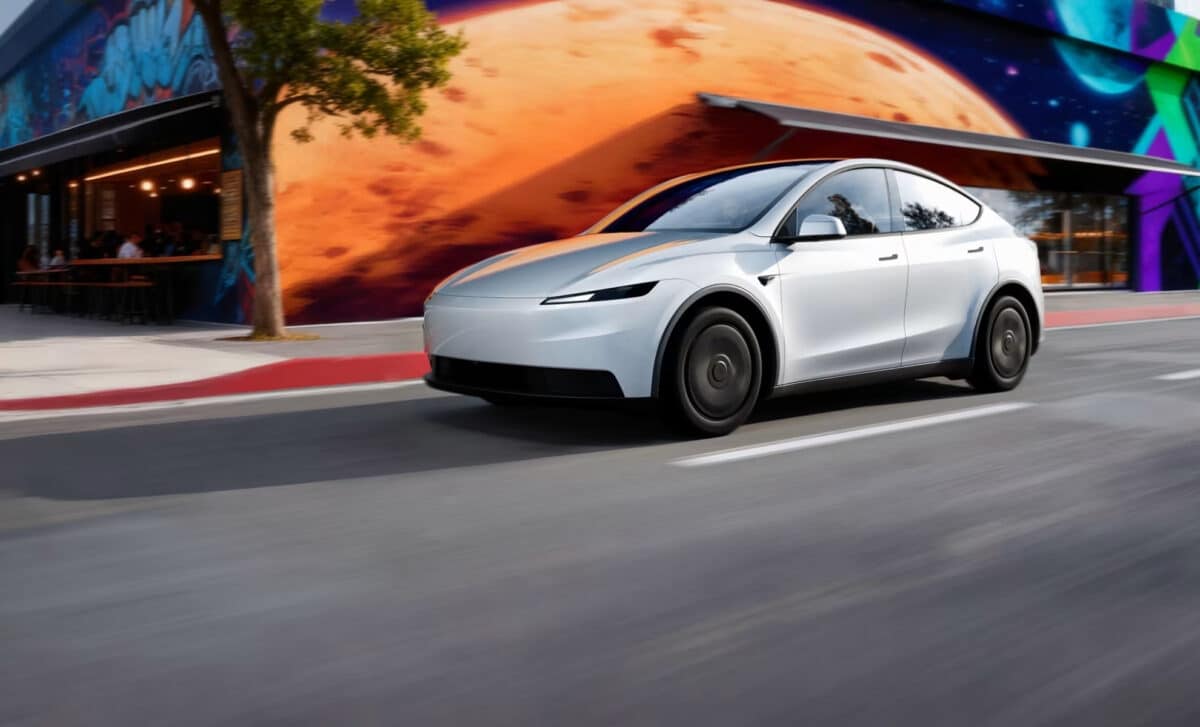
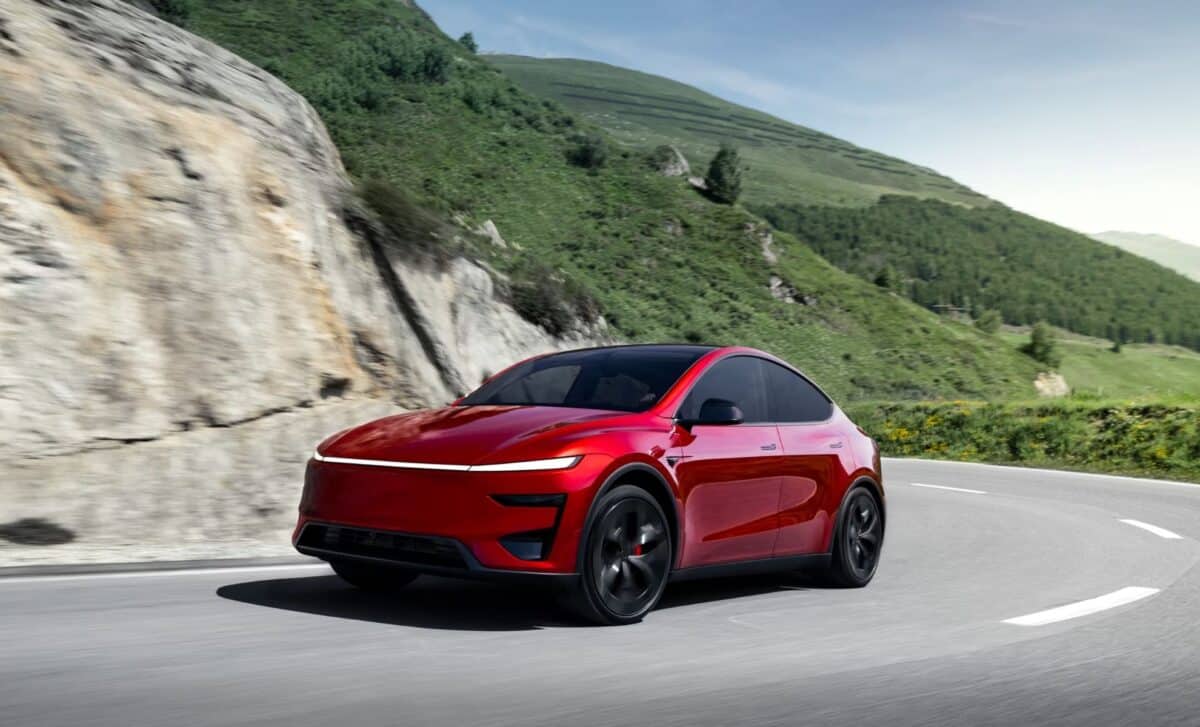
Tesla has not introduced a completely new model since the Cybertruck, a launch described as problematic. Its best-selling vehicle, the Model Y, has only recently received a significant update, marking its first major refresh since its initial release in 2020.
Reports of a more affordable Tesla electric vehicle have circulated, but the model has yet to be released. In the meantime, competitors, particularly in China, have continued to expand their offerings and capabilities.
A Changing Benchmark in a Global EV Market
Farley’s remarks reflect a broader shift in how automakers assess competition in the electric vehicle space. The Chinese automotive industry is now setting expectations for EV performance, cost, and production.
Even though many of these vehicles are not currently sold in the United States, their influence is felt across the global market. Ford’s strategy, as described by its CEO, is to measure itself against the strongest competitors available, regardless of their geographic base.