The Ford Explorer EV, which shares its platform with the Volkswagen ID.4, has been a pillar of Ford’s European electric lineup. While American buyers have seen Ford trim its EV ambitions, European customers are experiencing the opposite, a steady stream of product improvements that reflect the competitive pressures of a continent where electric mobility is moving faster. This latest update touches virtually every aspect of the Explorer EV, from its powertrain to its cabin software, and adds a new trim level to the range.
The timing of the announcement is notable. It comes hot on the heels of another update in Ford’s European portfolio: the Puma Gen-E, a Romanian-built crossover, recently received a bigger battery improving its driving range. Ford appears to be refreshing its European EV lineup in rapid succession.
A New Battery Chemistry for the Base Model
The most significant change concerns the entry-level Standard Range trim, which has switched from a nickel manganese oxide battery to a lithium-iron phosphate pack. The new LFP unit carries a 58-kilowatt-hour capacity, up from the previous 52 kWh, and delivers a WLTP-rated range of up to 276 miles (444 kilometers), a gain of 37 miles (60 km) over the outgoing model. LFP cells are known for being more resilient than NMC cells, though their energy density is lower.
The base battery accepts up to 105 kilowatts from a DC fast charger, enabling a 10-to-80 percent charge in 26 minutes. The higher-end trims, which retain their larger NMC batteries, offer faster charging speeds, 185 kW for the 77 kWh pack and 183 kW for the 79 kWh version, though they require slightly more time to reach 80 percent, at 27 and 29 minutes respectively. The Standard Range’s rear electric motor has also been upgraded, now producing 187 horsepower and 258 pound-feet of torque, up from 165 hp. The zero-to-62 mph sprint now takes eight seconds.
Bidirectional Charging and Pro Power Onboard
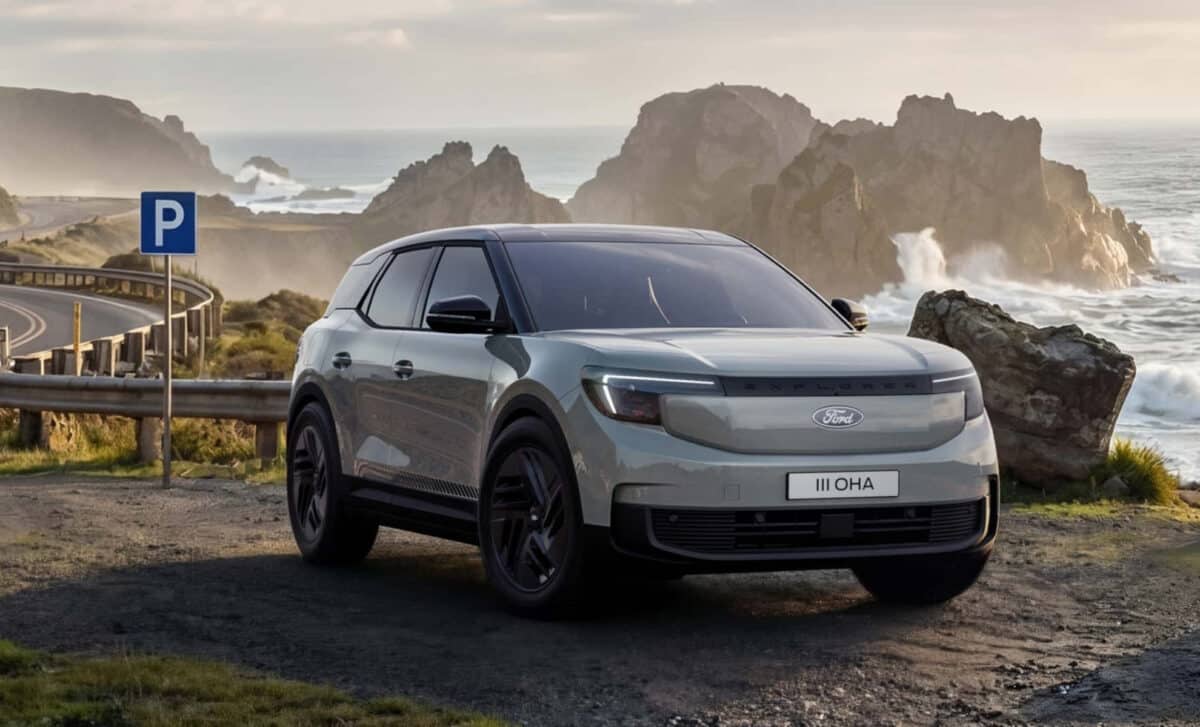
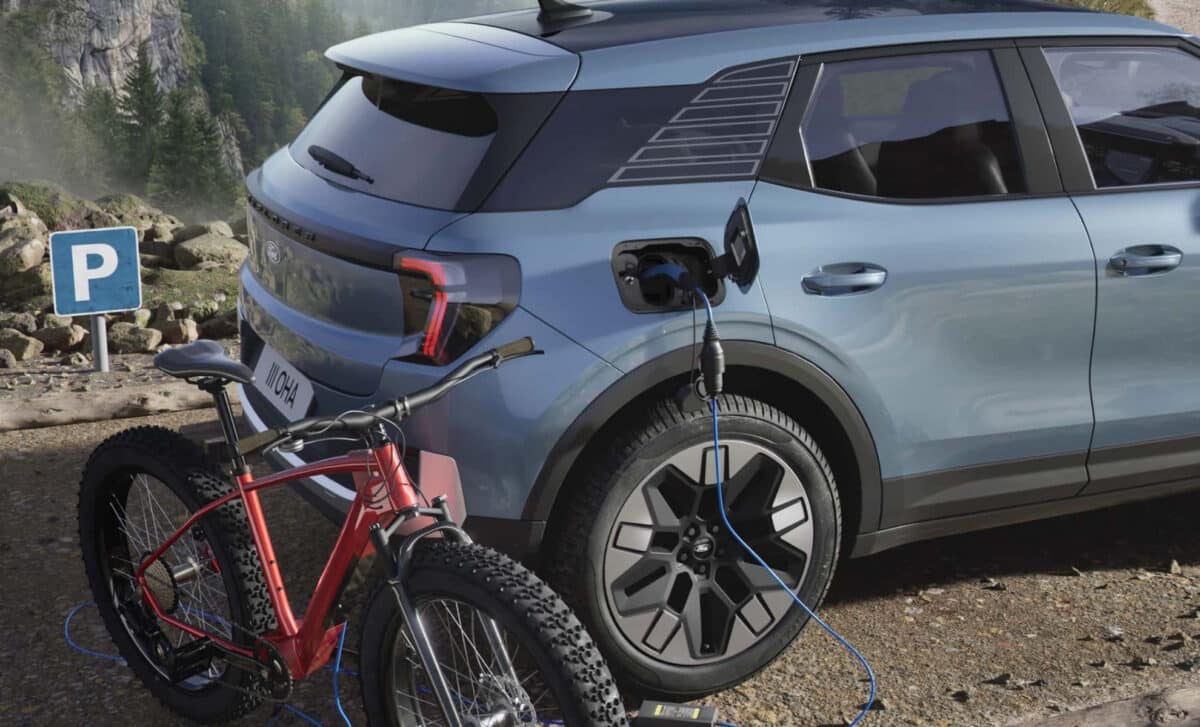
The refreshed Explorer EV now comes standard with vehicle-to-load bidirectional charging across all trims. According to InsideEVs, a household power outlet is located in the trunk, and Ford offers an optional adapter that turns the charging port into a second outlet.
Ford calls the system Pro Power Onboard, and it delivers a combined output of 2.3 kilowatts on the Explorer EV. The feature allows owners to power tools and appliances directly from the car’s high-voltage battery, whether at a campsite or during a power outage.
Safety Systems, Software, and a New Trim
Inside, Ford has replaced the previous infotainment setup with a new Android-based system it claims works better than the old one. The interface introduces a new design theme and the ability to group apps into folders, mirroring the experience of a smartphone.
One-pedal driving is now standard on all versions. The Intelligent Adaptive Cruise Control system has been updated to recognize traffic lights and road signs. A feature called Driver State Assist monitors the driver’s attention through a video camera and the lane-keeping assistant. If the driver fails to respond to warnings, the car will apply the brakes, then activate its hazard lights and bring itself to a full stop. At that point, the doors are unlocked automatically and emergency services are contacted.
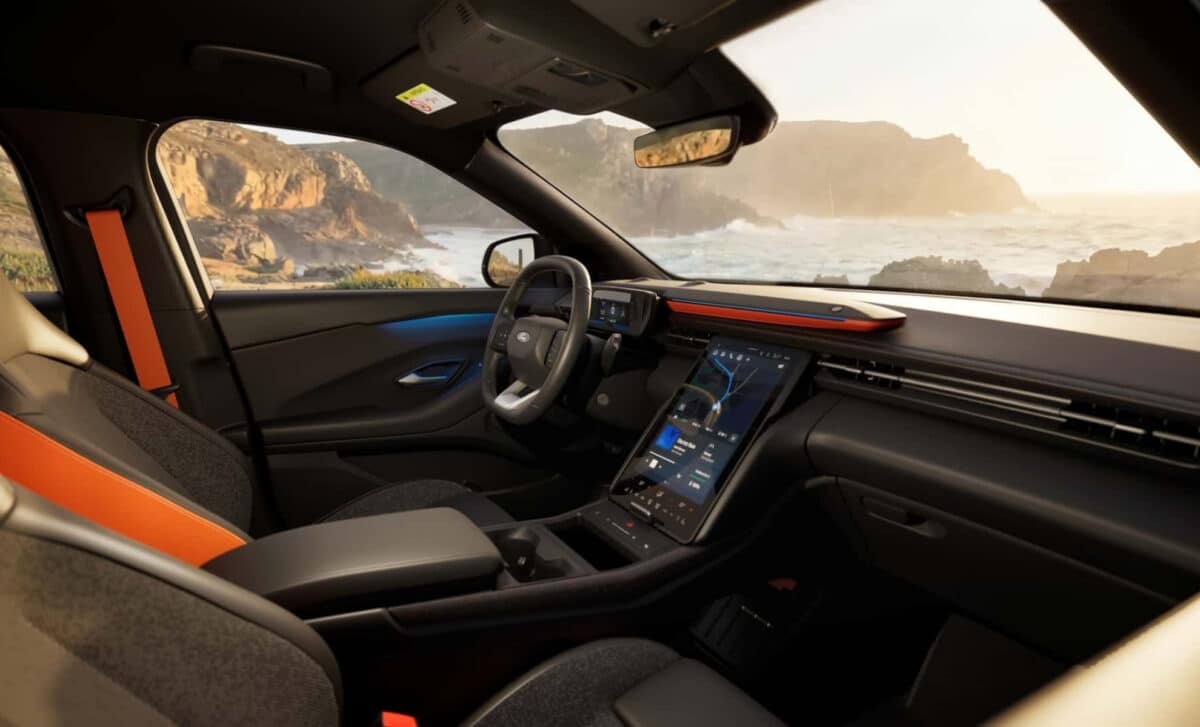
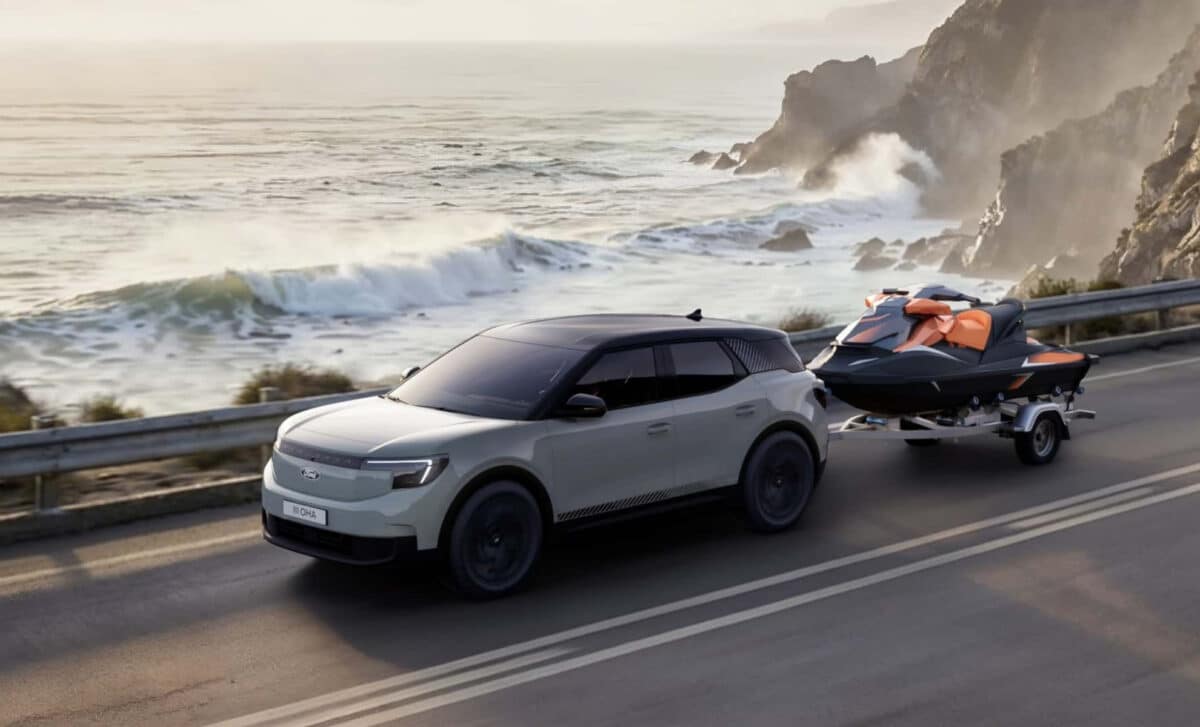
Rounding out the update, Ford has added a new Explorer Collection trim. It brings 20-inch satin black alloy wheels, an exclusive Cactus Grey exterior color, a black roof, front and rear skid plates, and special graphics on the doors and rear pillars.