
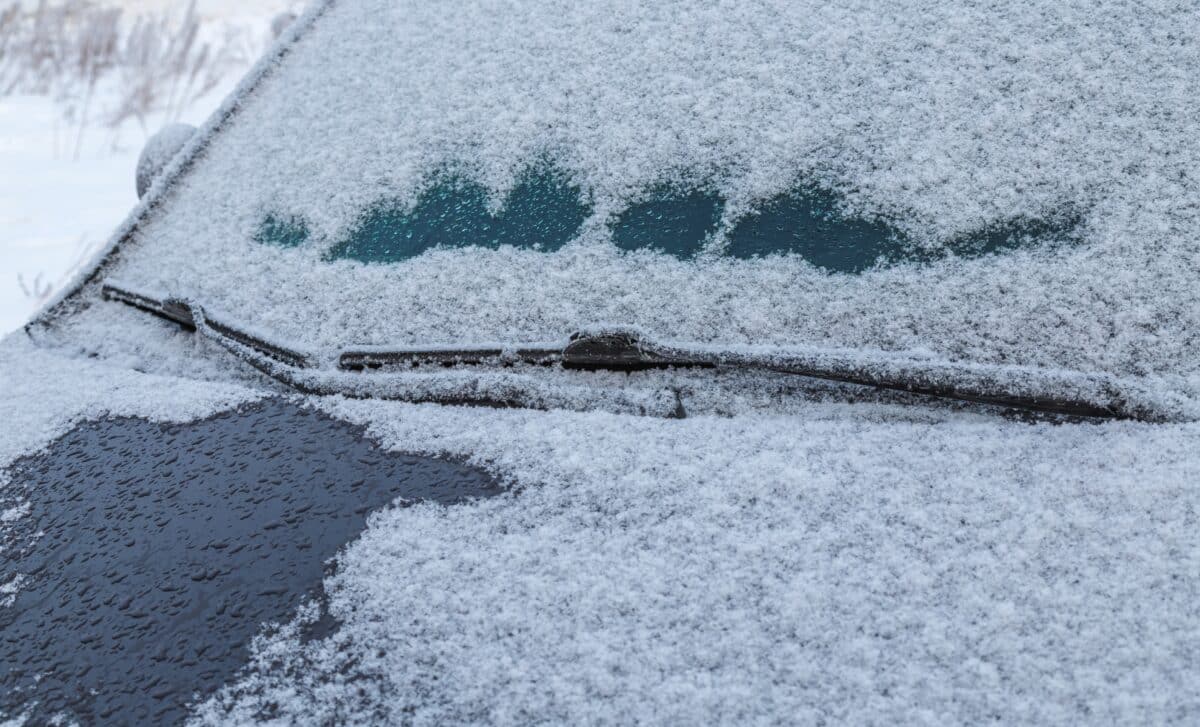
In winter, many drivers experience the common issue of a slow-to-warm cabin, especially after parking outside overnight. The windshield and windows, which are responsible for much of the heat loss, allow the cold to seep in while making it difficult for the car to warm up quickly.
Despite running the heater, the cabin often feels uncomfortably cold for the first few minutes of driving. To make matters worse, cranking the heat burns fuel, strains the engine, and increases CO2 emissions. But there’s a simple, cost-effective fix that can make your commute more bearable.
Why It’s So Cold Inside Your Car
According to experts, the primary reason your car remains freezing even with the heater running is due to the windows. The windshield and side windows let heat escape and cold air enter, which makes the cabin sluggish to warm up, especially after a night outdoors. Even after scraping the frost off the windshield and running the defroster for several minutes, the inside of the car can still feel cold.
This issue is particularly noticeable in regions with harsh winters, such as Yakutia in Russia, where temperatures can plummet to -72°C. There, drivers have developed a solution: they install an additional layer of glass inside their car windows to create a double insulation barrier, preventing the cold from penetrating the vehicle. The key takeaway? Adding an extra layer between the outside air and the interior of the car makes a significant difference in keeping the cabin warm.
A Reflective Sunshade for Winter
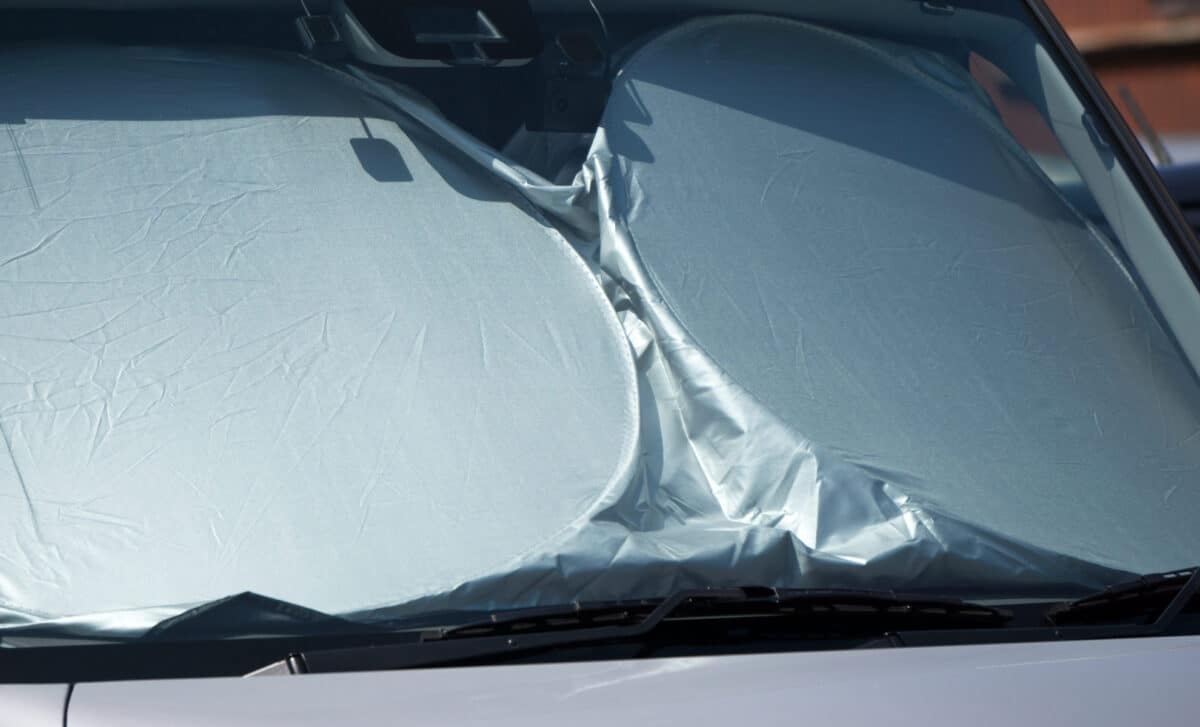
Originally designed to keep a car cool in the summer, reflective sunshades are now being used as a winter solution. These sunshades, typically placed on the windshield to block out sunlight, can also help retain heat in the winter. By reflecting sunlight—even in weak winter rays—the sunshade traps warmth inside the car, reducing heat loss through the windows.
For the sunshade to work effectively in winter, it must be placed snugly against the windshield with the reflective side facing outward, allowing it to capture as much sunlight as possible. It’s essential to ensure no gaps are left between the sunshade and the glass, as this would allow cold air to seep through. Additionally, sunshades can be used on side windows to provide even more heat retention.
This simple solution provides a way to retain heat in the car during the day and reduce the time it takes to warm up the cabin in the morning. It also reduces the need to turn up the heater to full blast as soon as you start driving, helping conserve fuel and lower CO2 emissions.
Maximizing the Effectiveness of Your Sunshade
The key to getting the most out of your reflective sunshade lies in how and when you use it. According to experts, when parking your car, it’s best to face the windshield toward the sun, even in winter. The sun’s rays, although weaker during this time of year, can still contribute enough heat to help warm the car’s interior. Once parked, place the reflective sunshade against the inside of the windshield, ensuring it fits snugly to block any gaps.
For those parked outside overnight, additional protection such as a thick cover, cardboard, or even newspaper can be used to prevent frost from forming on the windshield. This extra step can help reduce the amount of time needed for defrosting in the morning.
When it’s time to drive, remove the sunshade and, if your car has a defrost function, let it run for about 10 minutes to clear any remaining frost. If your car doesn’t have a defroster, you can make a homemade de-icing solution with water, vinegar, or alcohol. These alternatives are more eco-friendly than store-bought chemical products.
Common Mistakes to Avoid
While the reflective sunshade offers an effective way to retain warmth, there are a few common mistakes to avoid. Pouring hot water onto a frozen windshield, for instance, can cause thermal shock and crack the glass. Directing the heater at frozen windows can have a similar effect. It’s also important not to use the windshield wipers on frosted windows, as this can damage both the wiper blades and the motor.
Additionally, the sunshade doesn’t replace the need for proper maintenance of the car’s seals and joints, which help prevent drafts. Keeping these areas in good condition ensures that the heat stays inside and the cold doesn’t seep in.