Presented on the shores of Lake Como, the K39 represents the most ambitious project ever undertaken by the Piedmont-based manufacturer founded by Luca Betti. Until now, Kimera had focused primarily on reinterpretations of classic 1980s rally cars, including the EVO37 and EVO38.
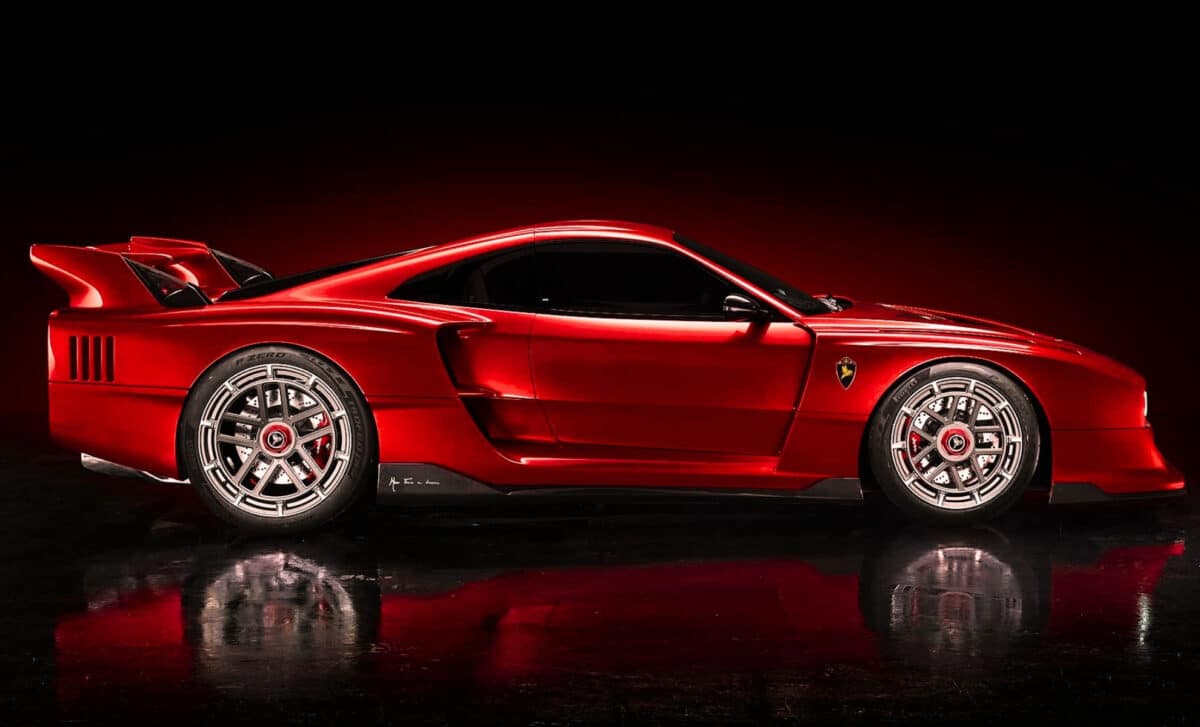
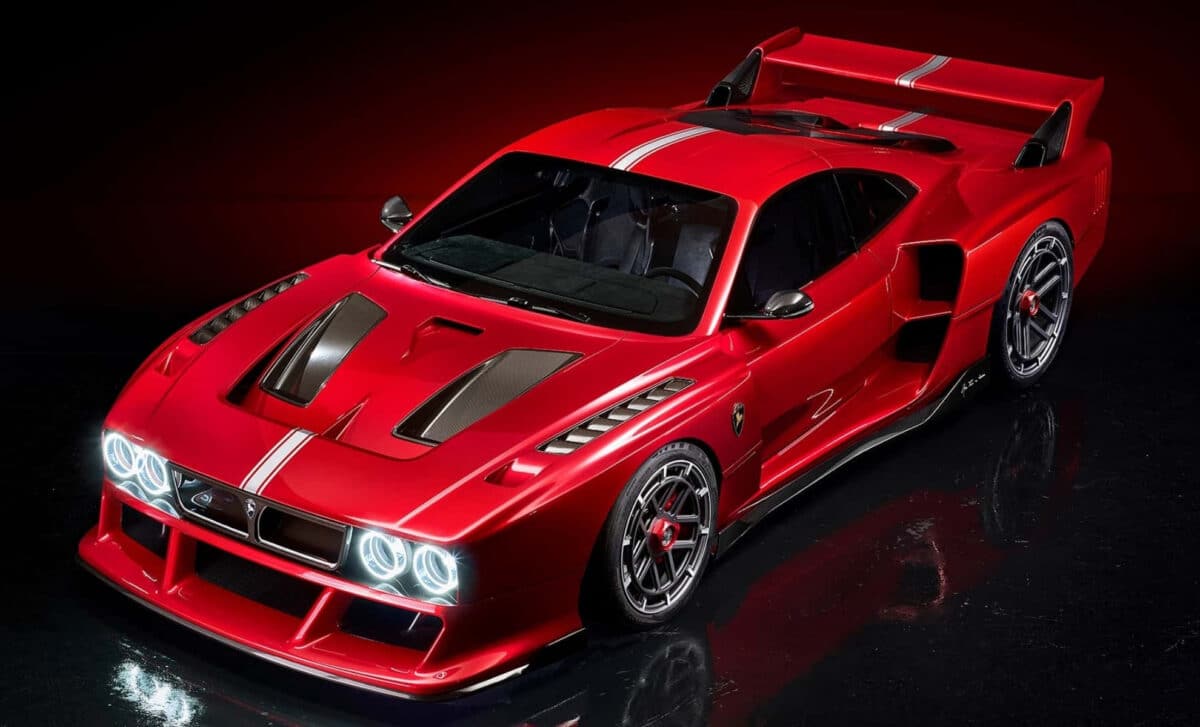
The K39 is not based on an existing platform or historic vehicle. The car was developed entirely from scratch with the objective of entering the limited circle of modern hypercar manufacturers. Its styling draws heavily from endurance racing prototypes that competed in the World Sportscar Championship during the 1980s.
A Design Inspired by 1980s Endurance Racing
The K39 adopts a long and low silhouette shaped by references to historic endurance race cars. Kimera retained some visual continuity with its earlier creations, particularly in the front and rear sections, while pushing the design into a more extreme direction.
Aerodynamics were integrated directly into the vehicle’s design process. The front section includes an S-duct system derived from modern motorsport engineering to manage airflow, while the rear combines extraction surfaces with a large wing inspired by classic endurance racers. Lighting elements are also incorporated into the aerodynamic body structure rather than treated as separate components.
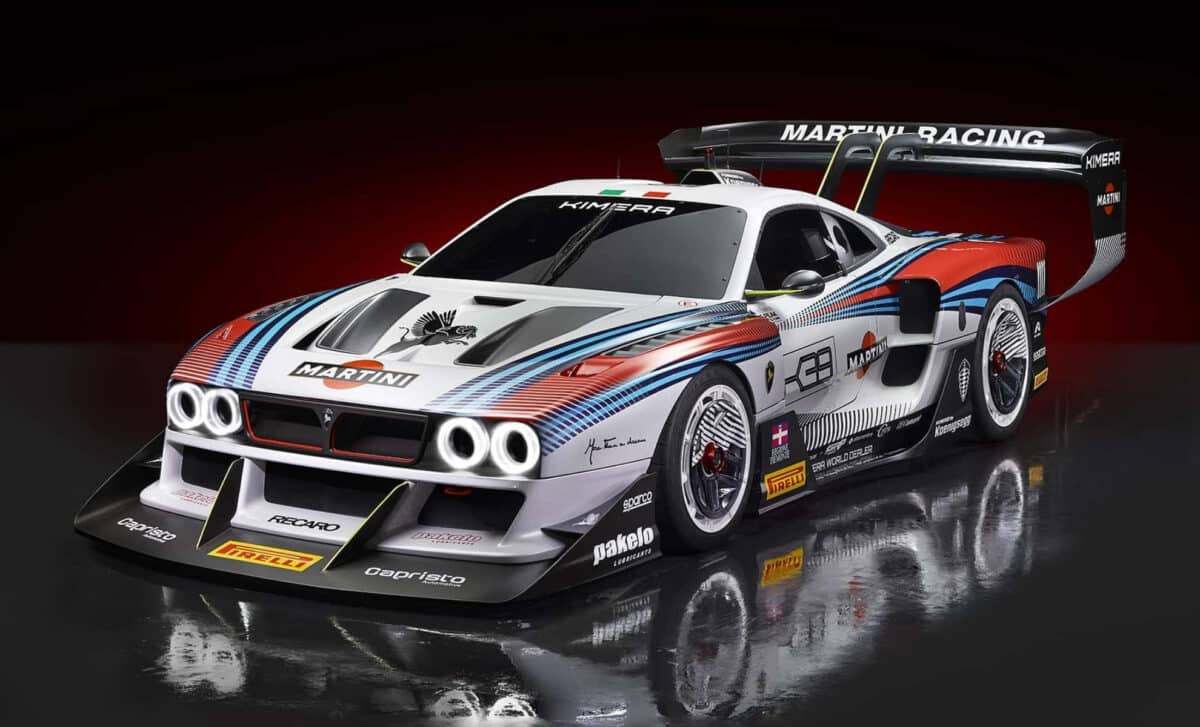
Alongside the standard version, Kimera also revealed a “Pikes Peak” specification. According to the company, this variant was developed to reinforce the hypercar’s connection to hillclimb competition. It includes dedicated aerodynamic additions and a more track-focused setup while remaining road legal.
A Twin-Turbo V8 Developed With Koenigsegg
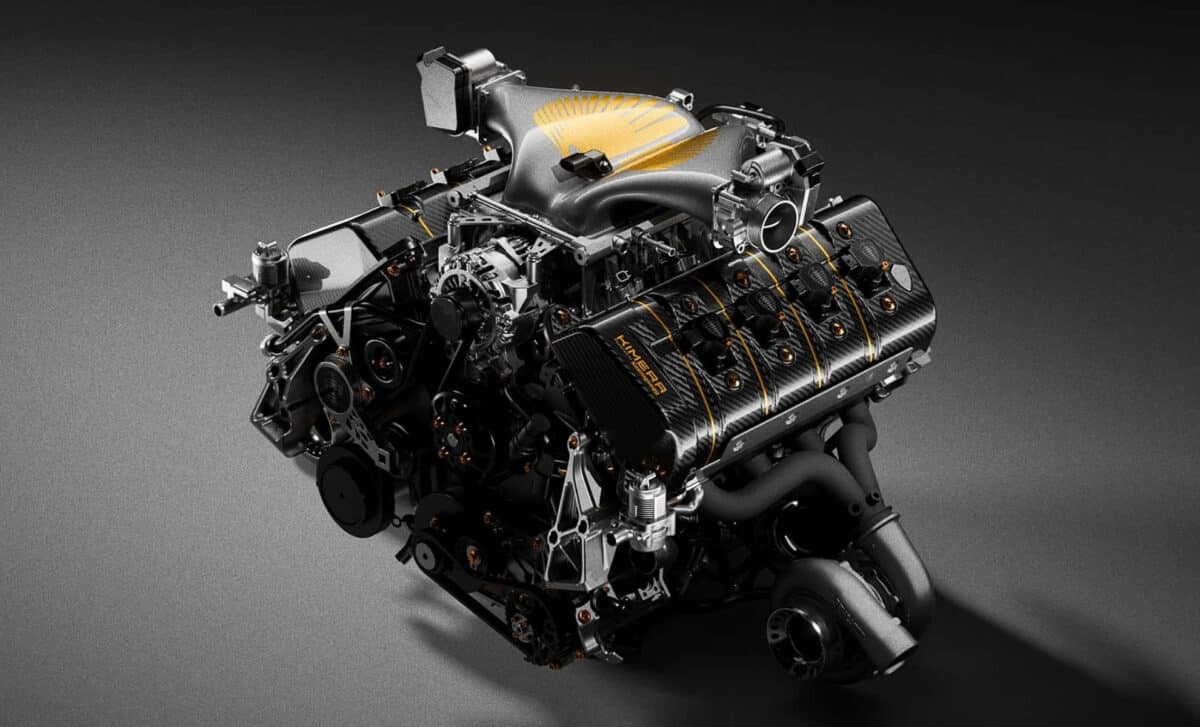
The central technical feature of the K39 is its engine, created through a partnership with Swedish hypercar manufacturer Koenigsegg. The bespoke twin-turbocharged V8 produces 972 horsepower at 7,350 rpm and 885 lb-ft of torque at 5,500 rpm. The engine’s rev limiter is set at 8,250 rpm.
Kimera stated that the engine was specifically adapted to match the intended character of the K39. Compared with more extreme applications found in Koenigsegg vehicles, the forced-induction system was revised to improve throttle response and drivability.
The V8 also complies with emissions regulations and supports over-the-air software updates through Koenigsegg’s cloud-based platform. The project additionally involves Dallara, the Italian engineering company known for its motorsport expertise. Dallara is contributing technical consulting and shared development support as part of the program.
Kimera says the objective was to combine high performance with low weight and an analog-style driving experience.
Limited Production and International Debut Tour
Production of the K39 will remain highly limited. Before the public unveiling, more than 20 examples had already been allocated to selected buyers. The first 10 customers will also receive access to the Pikes Peak configuration.
Following its debut at Villa d’Este, the hypercar is scheduled to appear at several international automotive events, including the Goodwood Festival of Speed, Monterey Car Week, Spa-Francorchamps, and Le Mans Classic.
At Le Mans Classic, Luca Betti is expected to drive a historic race car that served as inspiration for the K39 project. The appearance is intended to connect the company’s motorsport influences with its newest model.
With the K39, Kimera is positioning itself beyond the restoration and reinterpretation segment that initially defined the brand. The project marks an attempt by the Italian manufacturer to establish its own place within the contemporary hypercar market through collaborations with Koenigsegg and Dallara.