
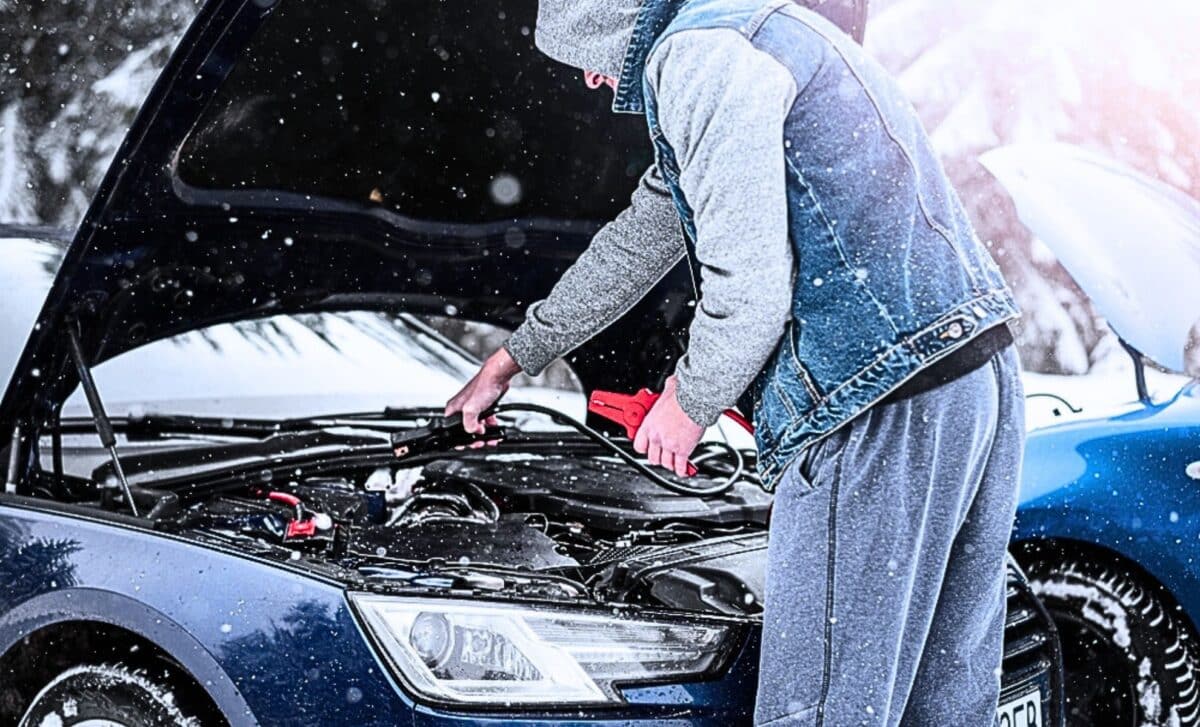
Across North America and Europe, freezing temperatures are turning everyday commutes into early-morning crisis zones. In cities like Minneapolis, Prague, and Berlin, drivers are waking up to cars that won’t start, engines that won’t crank, and batteries drained silently by sub-zero nights. When every minute counts, traditional fallbacks—waiting for roadside help, knocking on a neighbor’s door—aren’t cutting it anymore.
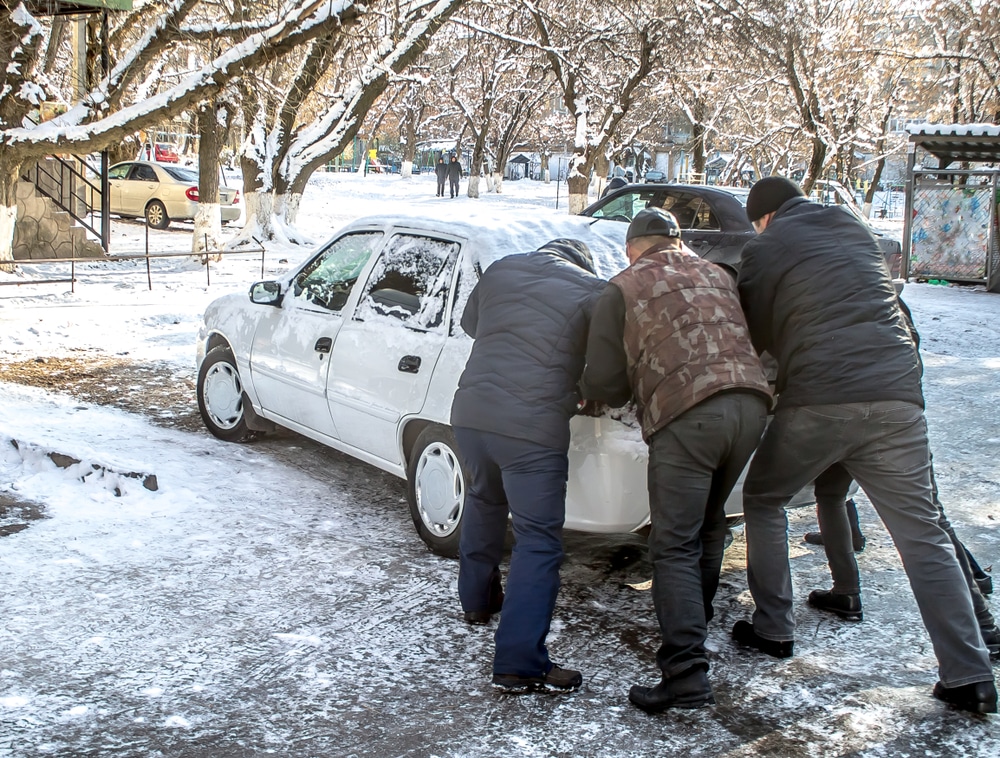
The rising tide of cold-related breakdowns has exposed a persistent vulnerability in modern transportation: our dependence on car batteries ill-suited for increasingly erratic winter weather. And as breakdowns multiply, drivers are leaning into a new type of solution—one that fits in the glovebox, works in seconds, and doesn’t rely on anyone else showing up.
Cold Weather Hits Batteries Where It Hurts
Car batteries lose power as the temperature drops. Once it falls below –10 °C (14 °F), a typical lead-acid battery can shed up to 50% of its starting capacity. Add in short commutes, parked vehicles exposed overnight, and older battery systems, and even newer cars can fail to start by morning.
It’s a pattern that plays out across both continents each winter. In the United States, AAA reports a surge in battery-related service calls during cold snaps, particularly in the Midwest and Northeast. In Europe, similar spikes stretch roadside services to capacity every December and January.
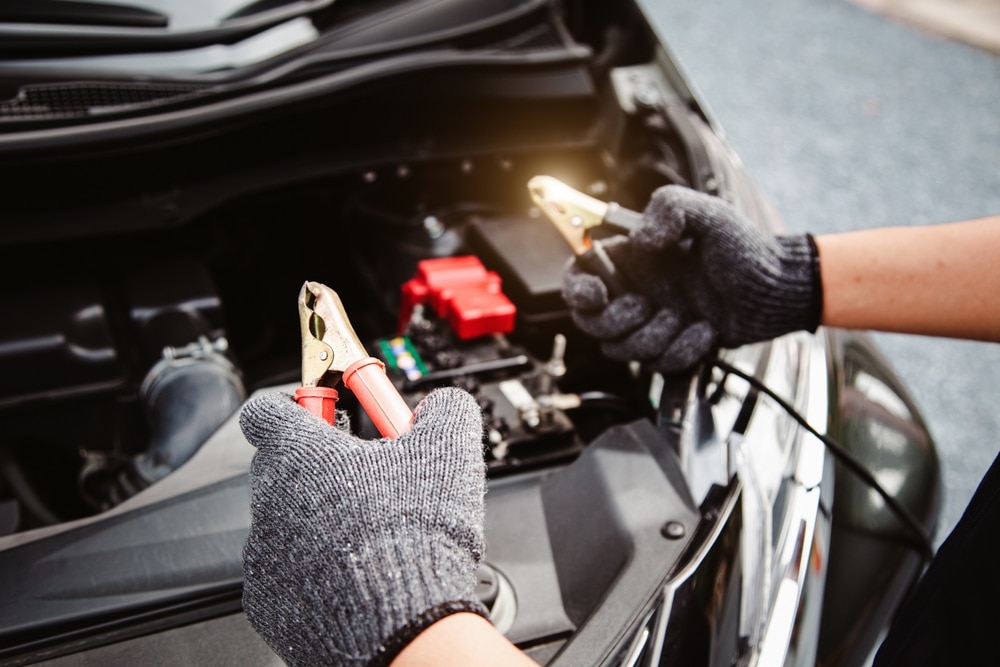
Facing long wait times and unpredictable support, more drivers are looking for fast, portable solutions they can operate themselves. That shift in behavior is helping fuel the popularity of compact jump starters—self-contained battery packs that deliver a controlled current strong enough to jolt a frozen engine into motion.
The €53 Tool from Lidl Sparking Attention Across Europe
One such device, a multi-function jump starter sold by discount retailer Lidl, has drawn growing interest after independent tests and user reports showed it could restart vehicles in temperatures as low as –20 °C. Priced at 1,299 CZK (about €53 or $58), the unit includes jump-start cables, a USB powerbank, an LED flashlight, and a built-in air compressor.
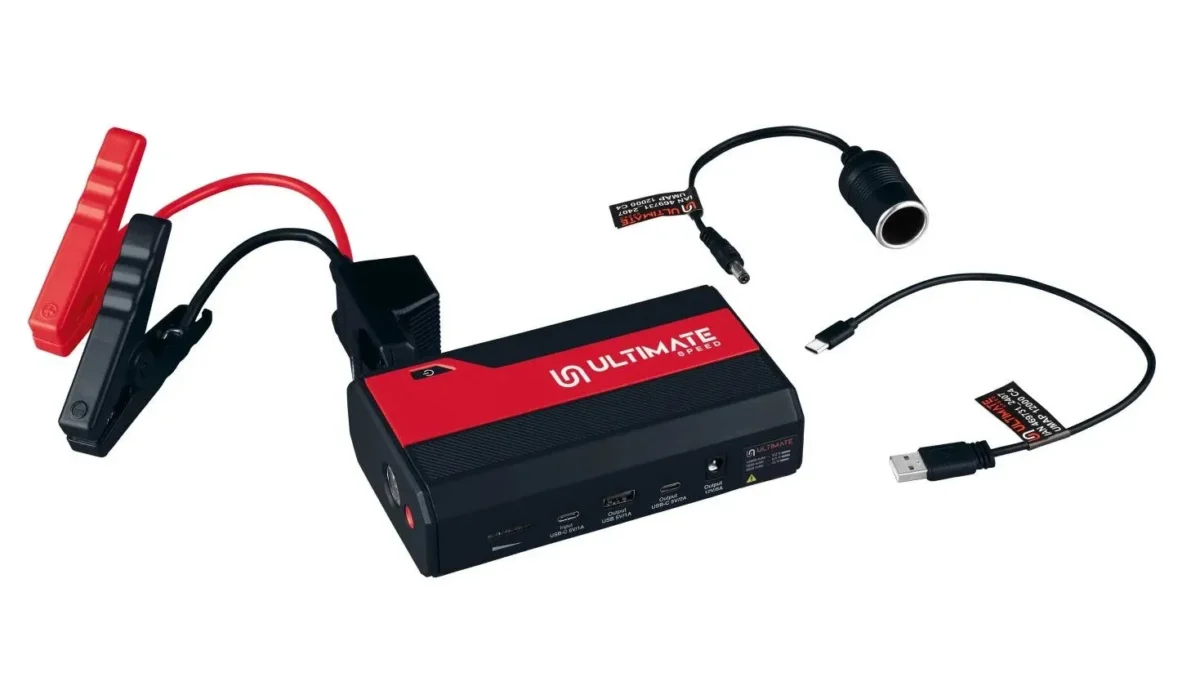
The product gained traction in Czech automotive media, where reviewers praised its ability to deliver a cold-crank boost to vehicles with weakened—but not fully dead—batteries. It’s compact enough to store in a trunk or under a seat and comes equipped for multiple roadside scenarios beyond just jump-starting.
Despite skepticism around its low price and grocery-store origin, real-world tests suggest it delivers exactly what it claims—a jolt of independence when a vehicle falters in the cold. As one reviewer at EnergoZrouti noted, it’s not meant to recharge a drained battery or revive a neglected diesel after months of dormancy. But for drivers with functional batteries impacted by cold, it provides just enough current to start the engine and get back on the road.
Devices with similar features are widely available in the U.S. under various private labels at Walmart, AutoZone, and Home Depot, often priced between $50 and $100, depending on power output and extras.
Not a Miracle Fix, but a Changing Mindset
Jump starters aren’t meant to solve every winter problem, and experts emphasize that they’re not a replacement for routine battery care. If you’re using one more than once in a season, it likely means the battery is deteriorating and needs professional inspection—or outright replacement.
Even modern “maintenance-free” batteries benefit from regular checks. Drivers are encouraged to clean battery terminals, monitor voltage levels (below 12.4V is a red flag), and reduce electronic loads during ignition. Features like heated seats, infotainment systems, and dashboard tech can draw significant current at startup and further strain a battery already weakened by the cold.
That said, portable jump starters do address a critical pain point: the gap between failure and assistance. They don’t require a second vehicle. They don’t require cell service. And in regions prone to early snow and extended deep freezes, that independence is increasingly attractive.