
In a major shift, the big gas station operator Shell has confirmed plans to close 1,000 locations across New York State. The news, highlighted as Hudson Valley Post’s seventh most viewed story of 2025, affects both businesses and consumers around the state and marks a notable change in how fuel is supplied locally.
How Big Are the Closures?
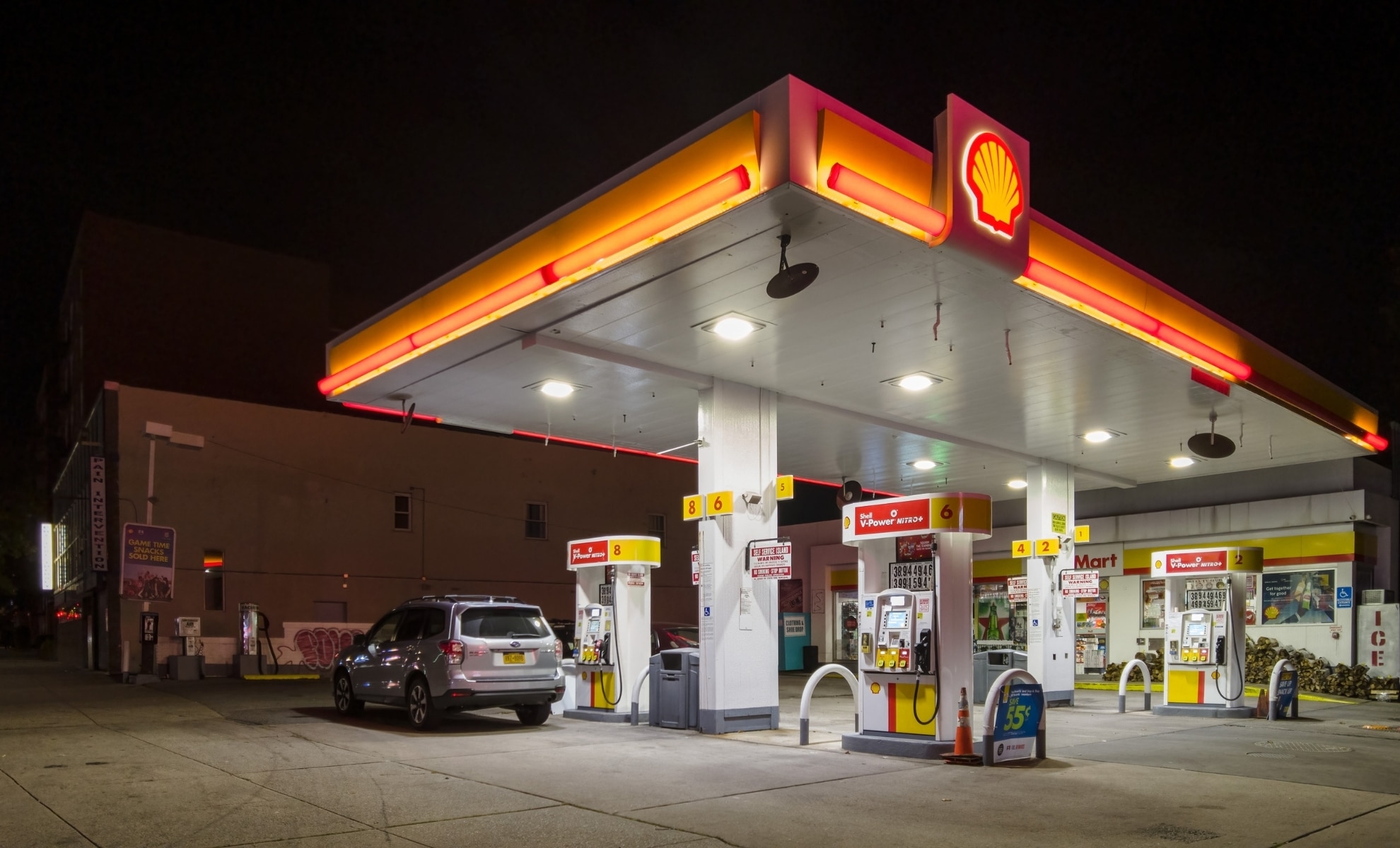
Shell, listed as New York’s third-largest gas station chain, is trimming its footprint substantially. The plan calls for 500 locations to close in 2024, with another 500 slated for 2025. Shell hasn’t released a list of the specific stations that will shut, which leaves many New Yorkers unsure about how close home these closures will be.
Across New York, Shell operates 328 locations in 139 hometowns, so its pullback leaves an obvious gap in the Empire State’s fuel network. For comparison, the largest players are Exxon Mobil, with 769 locations in 370 hometowns, and BP, with 428 locations in 136 hometowns.
Why Shell Is Shifting Strategy
Shell says it expects gasoline demand to fall as more people drive hybrids and electric vehicles, a trend it expects to pick up noticeably in the 2030s. To prepare, the company plans to sell these stations and use the proceeds to upgrade its network, focusing more on low-carbon energy projects.
Part of that push includes beefing up its electric vehicle charging business: Shell bought Volta (an EV charging company) in 2023.
The Wider Market and Economic Picture
This move shows Shell trying to adapt as energy use changes. Major chains like Exxon Mobil and BP still dominate the market, but they’ll likely have to adjust too as customer habits and regulations evolve.
A related historical look at gasoline prices by Stacker, using data from the Bureau of Labor Statistics, covers 84 years of pricing from 1937 to 2020, in both nominal and inflation-adjusted terms. That timeline helps frame how the fuel market has shifted over decades and sets the scene for today’s changes.
What Comes Next
As New York’s gas station map changes, both consumers and businesses will need to adapt, finding alternative stations or turning to different fueling options. Shell’s decision is part of a broader move in the energy industry toward innovation and lower-carbon solutions, and it suggests the market in New York (and beyond) could look quite different in the years ahead.
With companies like Shell moving funds into cleaner energy and EV charging, players across the sector will be watching for new opportunities and challenges as the transition unfolds.