It’s one of those situations that exposes a genuine tension in how traffic enforcement works in the capital. Cameras are everywhere, they fire automatically, and they don’t always capture the full story.
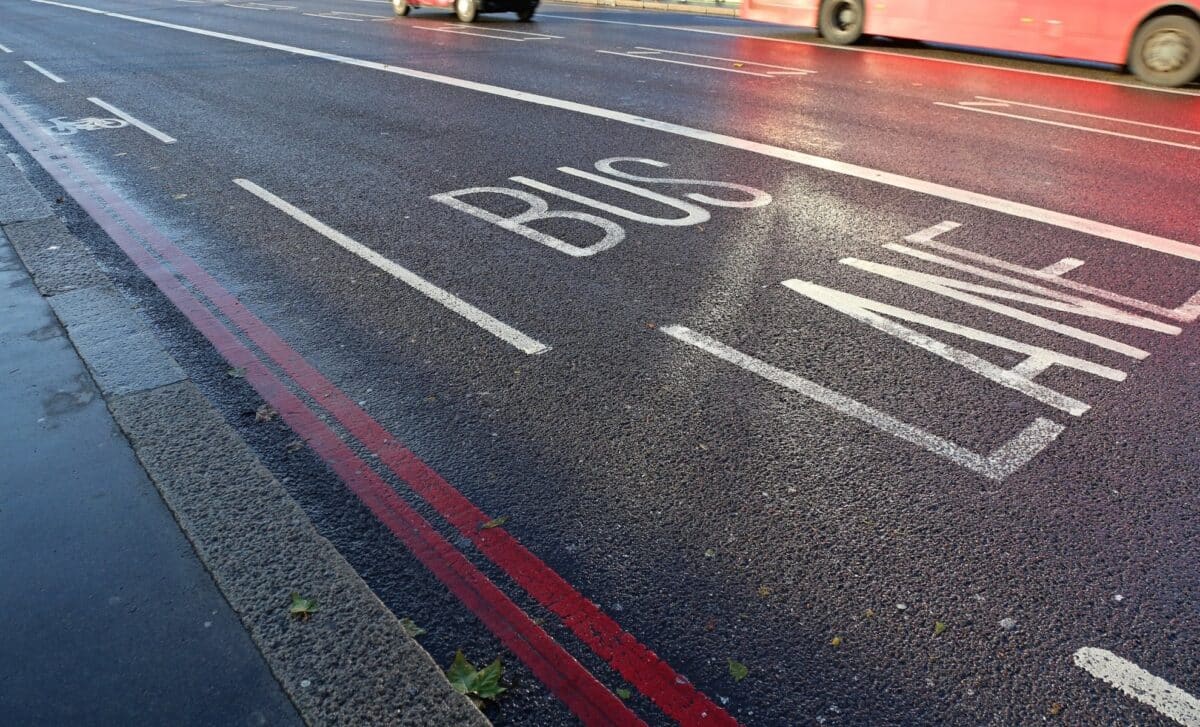
Drivers who make way for emergency vehicles in London can find themselves facing bus lane fines, yellow box violations, or even red light camera offences, with no automatic protection built into the system. So what are your actual rights? And if a penalty charge notice does land on your doormat, is there anything you can do about it?
A Real Defence, But Not a Free Pass
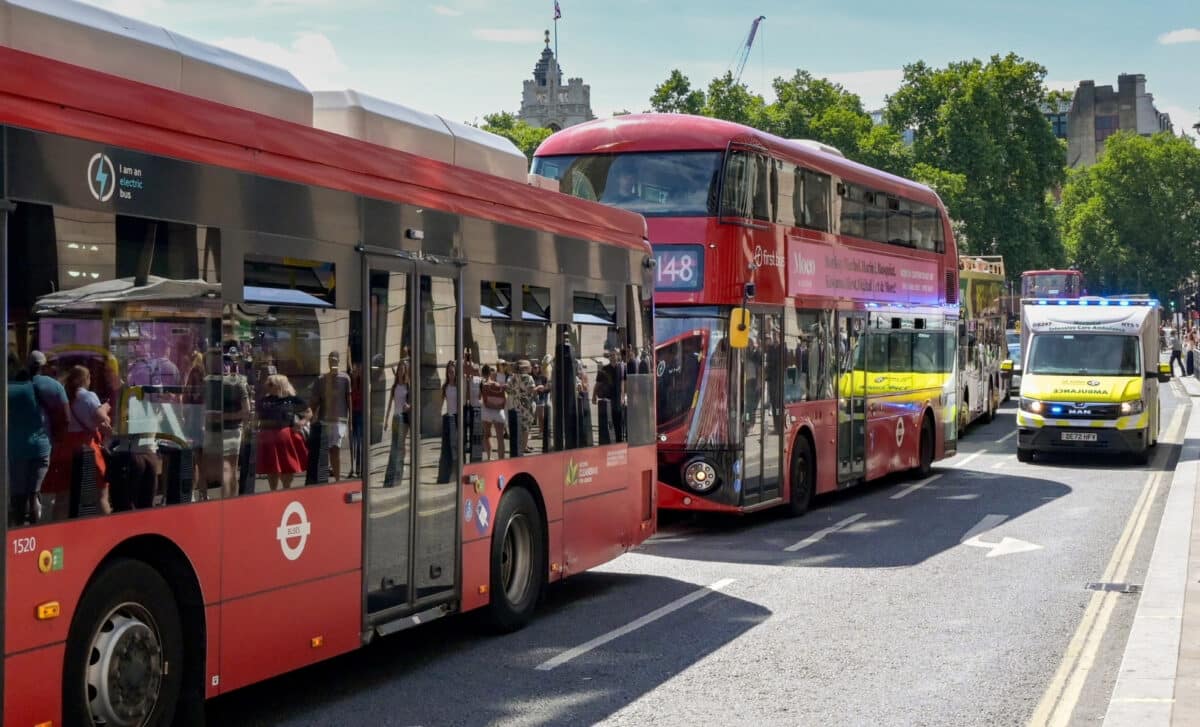
Moving into a bus lane to make way for an ambulance can be a valid defence, but the conditions matter. As The Times reports, the emergency vehicle must have had blue lights flashing and/or a siren on. The driver must have moved only briefly, without using the bus lane to gain any advantage over other traffic. It must have been genuinely necessary to move, meaning no safe alternative existed, and the driver must have returned to the correct lane as quickly as possible.
The argument being made, in legal terms, is one of necessity: the driver acted to avoid a greater danger and followed Highway Code guidance, which instructs drivers to assist emergency vehicles in making progress when required. The acid test is whether a reasonable driver would have done the same. It is factual, evidence-based, and requires demonstration, not just assertion. Any dashcam footage should be preserved alongside whatever other evidence is available.
The PCN May Not Even Arrive, But Appeal If It Does
Here is something worth knowing before the anxiety sets in too deep. A trained council officer is supposed to review camera images before a penalty charge notice is formally issued. Cases involving obvious mitigation, an ambulance, blue lights, a driver pulling over sensibly, should, in theory, be identified and dropped before they ever reach anyone’s letterbox.
The system is imperfect, though, and PCNs do get issued when they arguably should not. Receiving one is not the end of the road. If the circumstances genuinely match the conditions outlined above, an appeal is worth pursuing, and it may well succeed.
Red Light Cameras: A Separate Problem Entirely
This is where things get considerably more complicated, and the stakes rise sharply. Crossing a stop line to let an emergency vehicle through is not a recognised defence against a red light camera offence. Unlike bus lane penalties, which are civil matters, this is an endorsable offence, meaning penalty points on the licence.
Representations can still be made, on the grounds that pursuing such a prosecution contradicts Highway Code guidelines and is not in the public interest. If that argument fails, the next option is to argue “special reasons” under the Road Traffic Offenders Act 1988, a legal concept which, if accepted, can result in no penalty and no licence endorsement.
At that stage, employing a lawyer may well be in the driver’s interests, particularly if existing points risk tipping them into a ban. One final detail not to overlook: any endorsement must be reported to the insurance company, or the policy risks being invalidated entirely.