

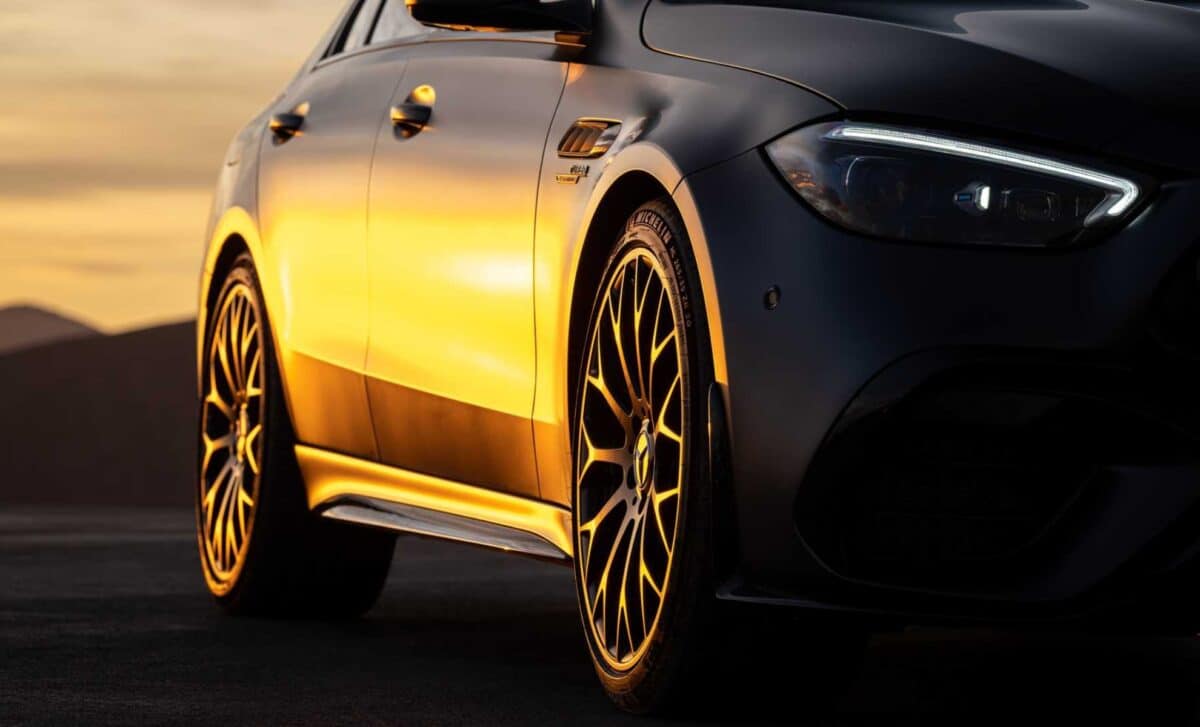
For months, rumors about the end of the hybrid C63 have been swirling, but now, AMG CEO Michael Schiebe has confirmed that the four-cylinder C63 will be discontinued. The shift to a larger inline-six, which will not feature hybrid assistance, signifies a return to a more classic configuration for the performance-focused sedan.
The new C53 will rely on the same turbocharged 3.0-liter engine used in the Mercedes CLE 53, though details on the final output for the C53 are still under wraps. The decision follows a combination of factors, including the need to meet increasingly strict emissions regulations, which the smaller engine struggled to comply with.
A Shift from Hybrid to Pure Gasoline
The most significant change in the new C53 is its move away from hybrid technology. The current C63, which combines a four-cylinder engine with a plug-in hybrid (PHEV) system, delivers an impressive 671 horsepower and 752 lb-ft of torque. However, the upcoming C53 will be powered purely by a gasoline engine, using an inline-six unit that produces 443 horsepower and 413 lb-ft of torque in the CLE 53 coupe. While the new engine setup is expected to be lighter overall due to the removal of the hybrid components, it will still provide a significantly different driving experience, one that focuses on traditional performance.
The move away from hybrid power has been prompted by a range of factors, including the difficulty of adapting the four-cylinder engine to the Euro 7 emissions regulations, which will come into effect later this year. Schiebe pointed out that while the hybrid setup was a “progressive” move at the time, adapting the smaller engine to new environmental standards became a challenge that ultimately led to its demise. The decision reflects broader industry trends, where stricter emission regulations are forcing automakers to reconsider the future of hybrid and electric technologies in performance vehicles.
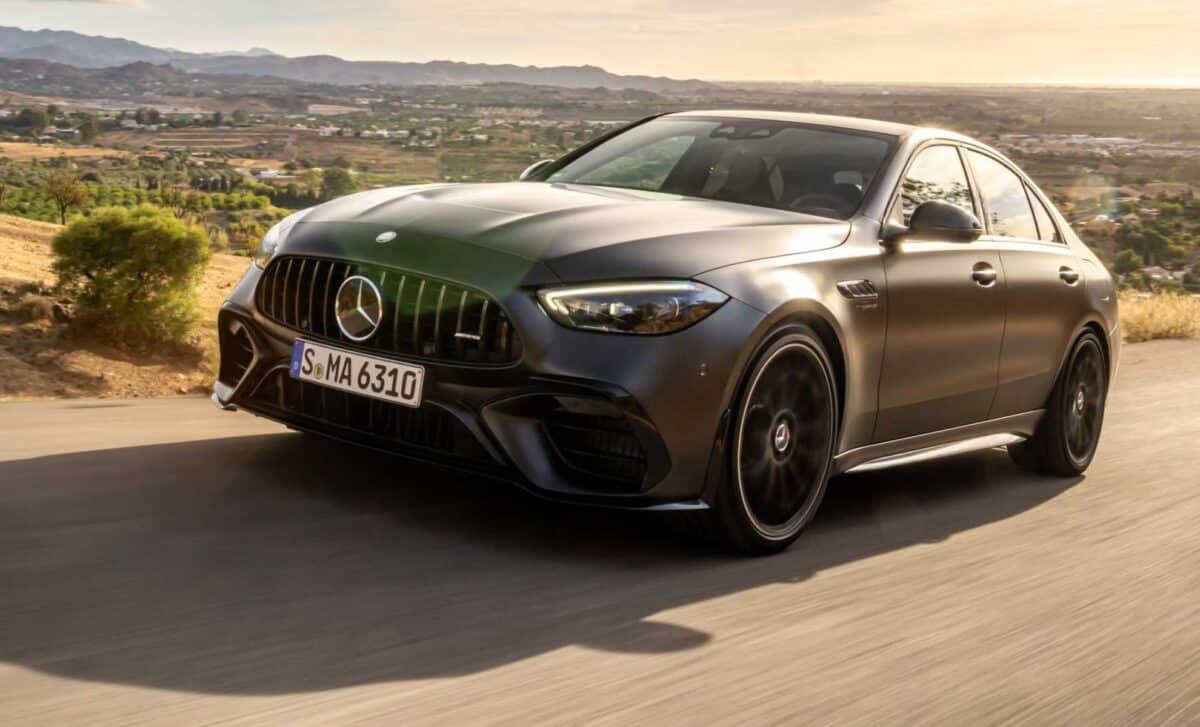
A Lighter C53 Despite Larger Engine
Despite the introduction of a larger, more powerful engine, the new C53 is expected to be lighter overall than the current C63. According to Schiebe, the C63’s current weight, around 4,817 pounds in U.S. spec, was partly due to the complex hybrid system, which added substantial mass to the vehicle. Removing the hybrid hardware should allow for weight savings, making the C53 more agile, though the inline-six will still weigh more than the outgoing four-cylinder. The weight difference could improve the car’s handling and responsiveness, offering a more engaging driving experience, even though it won’t match the C63’s impressive power figures.
This shift is not just about weight or performance figures; it also speaks to a broader reevaluation of the hybrid systems used in performance cars. While the hybrid C63 was marketed as a progressive and futuristic vehicle, it failed to win over many performance enthusiasts, who often prefer the raw power and sound of a more traditional internal combustion engine.
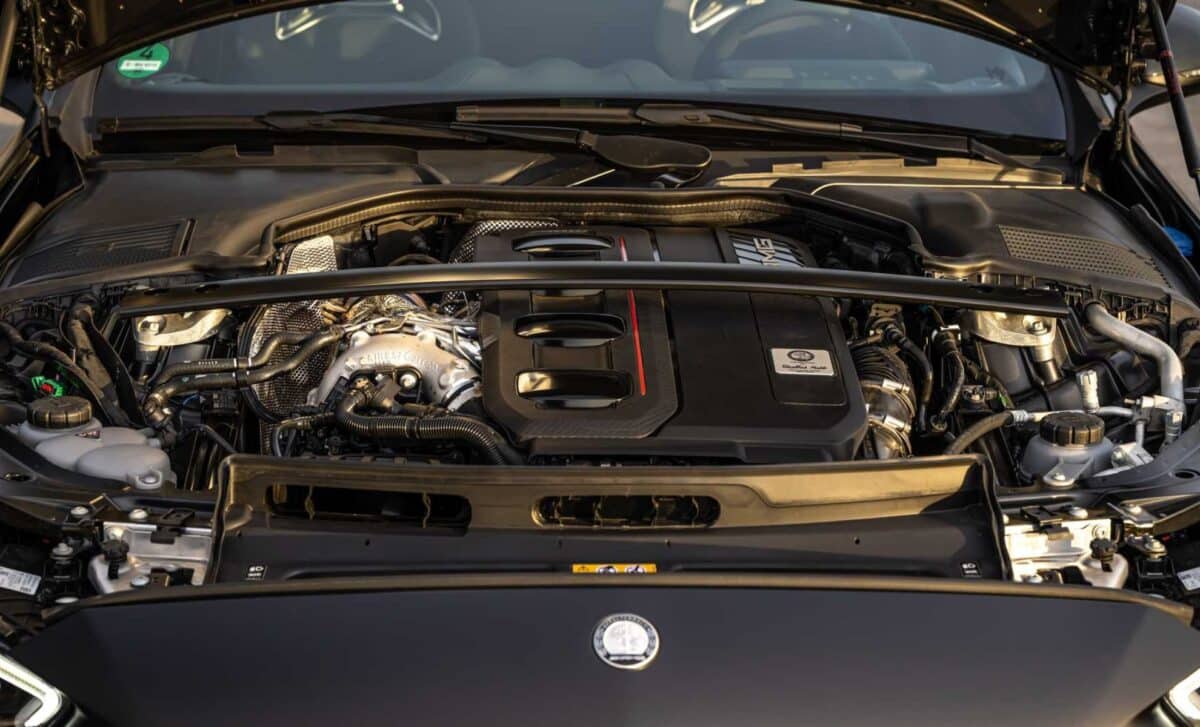
Why the C63’s Four-Cylinder Hybrid Didn’t Win Over Enthusiasts
The hybrid C63 faced backlash from enthusiasts who felt that the integration of a small four-cylinder engine detracted from the car’s iconic performance pedigree. Mercedes had hoped that the hybrid setup would appeal to a new generation of buyers who prioritized efficiency alongside performance. However, the small engine and the complex hybrid powertrain struggled to garner the enthusiasm that Mercedes had anticipated. Schiebe has acknowledged this issue, noting that the hybrid engine wasn’t able to gain traction with a significant portion of the AMG faithful, who remained wary of downsizing in favor of performance.
The decision to revert to a more familiar inline-six setup aligns with the desires of many performance car enthusiasts, who prefer the sound, feel, and power delivery of a larger, naturally aspirated or turbocharged engine. While the hybrid C63 was technologically advanced, its powertrain complexity and performance compromises ultimately led to its downfall.
The shift to a six-cylinder engine may not mark the end of Mercedes-AMG’s experimentation with hybrid technology, but it does signal a retreat from the four-cylinder hybrid performance vehicle. Though the future of the C63 remains uncertain, AMG has confirmed that it is already working on a new V8 engine, which may eventually make its way into the C-Class lineup.
According to reports, the new C53 will be based on an upcoming facelift of the C-Class, with the model expected to debut in the coming months. This marks the end of a chapter for the C63, but it also opens the door for a new era of Mercedes performance cars.