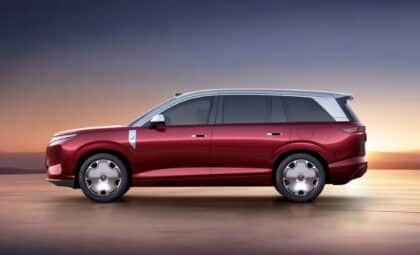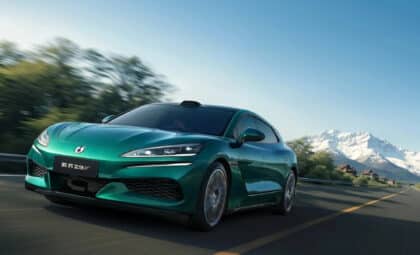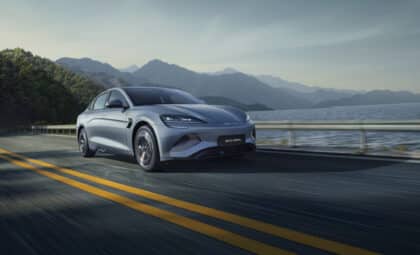

The contrast begins with headline figures. The average new car in the United States reached $51,456 in March. In China, more than 200 battery-powered models, including hybrids, are priced below the equivalent of $25,000, based on data from the platform DCar.
This price compression is not theoretical. Five of the best-selling electric vehicles in China each start under $12,000, illustrating how competition has pushed costs down across the segment. These models remain absent from U.S. showrooms, and their arrival there appears uncertain.
A Domestic Market Dominated By Ultra-Affordable EVs
China’s electric vehicle market is defined by scale and variety. Hundreds of low-cost battery-powered models are currently available, reflecting intense competition among domestic manufacturers.
Reuters highlights that the five top-selling EVs under $12,000 collectively demonstrate how far pricing has fallen. In practical terms, the cost of one average U.S. car could cover all five of these Chinese models. This dynamic has been reinforced by strong domestic demand and rapid product turnover, particularly in the small EV segment.
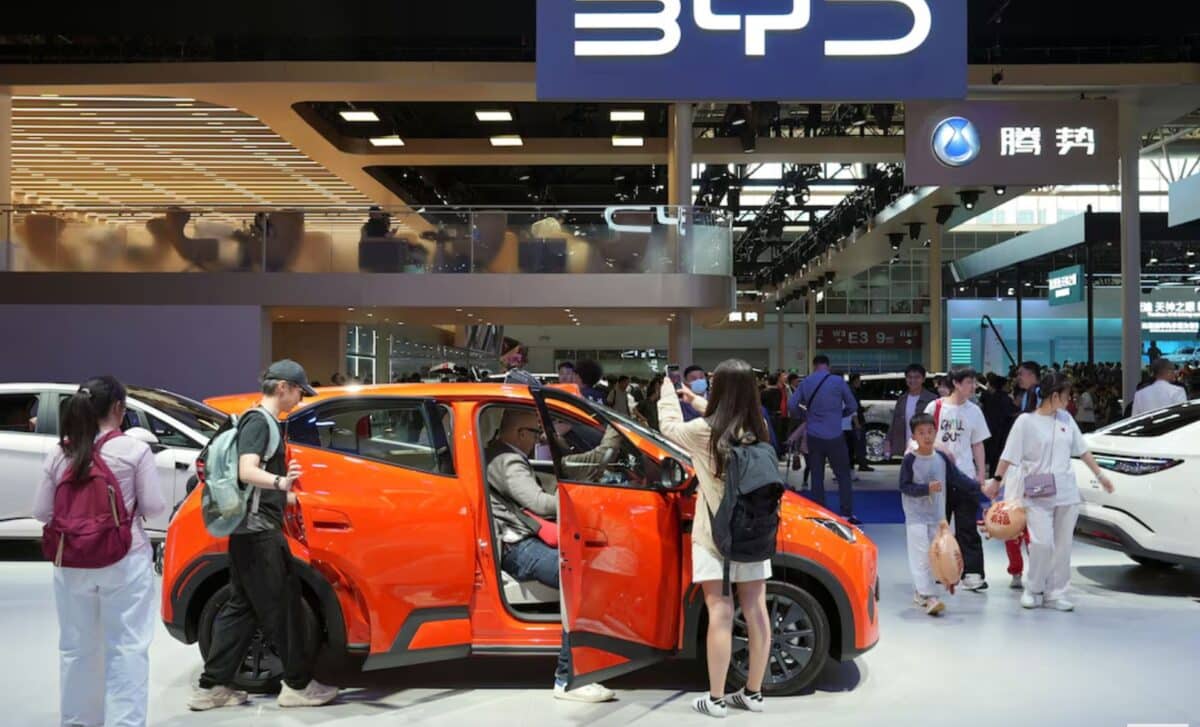
The Beijing Auto Show serves as a visible showcase of this trend, where manufacturers present compact, feature-rich vehicles at prices that would be considered entry-level or even below entry-level in other major markets.
Geely And Wuling Push Low-Cost Innovation
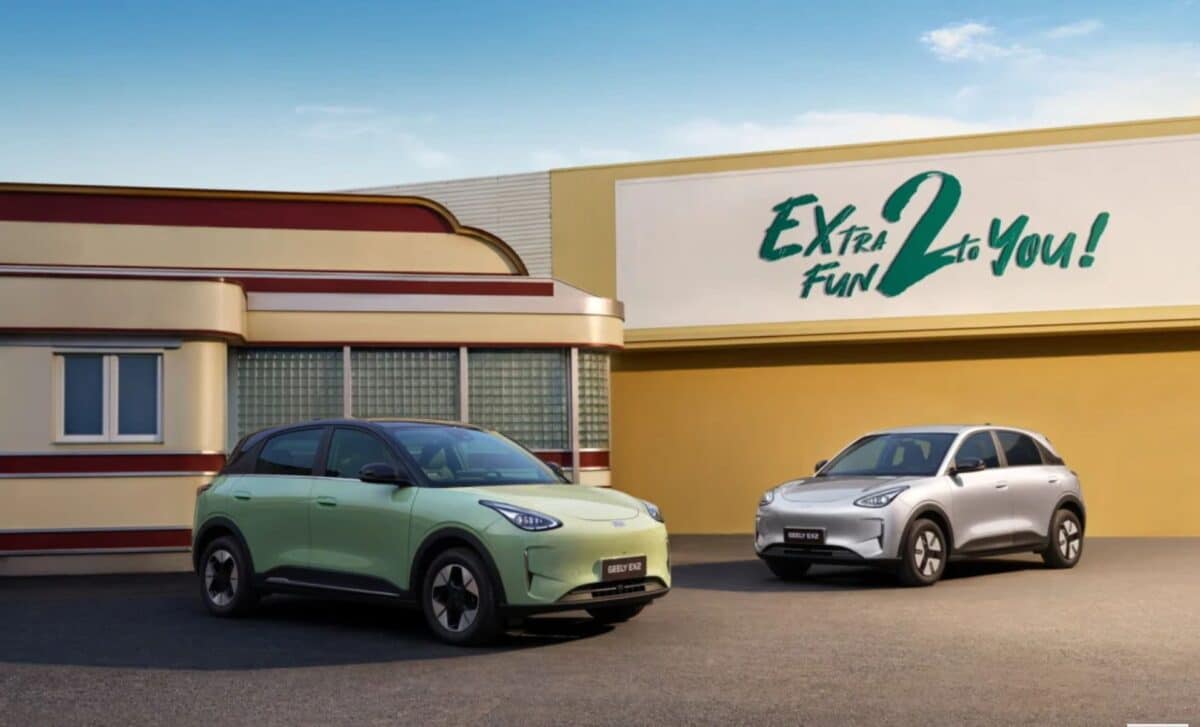
Among standout models, the Geely EX2 emerged as the top-selling vehicle of any type in China in 2025. Known locally as the “Star Wish,” the compact EV includes features such as a front trunk, multiple storage compartments, and a 14.6-inch central touchscreen running a system developed in-house by Geely.
The top-trim version offers a range of about 255 miles under Chinese testing standards. Analyst Felipe Munoz noted that the vehicle feels larger and higher in quality than its size might suggest. Following its 2024 launch, Geely expanded sales of the model to Brazil, Indonesia, and Thailand.
At the lower end of the price spectrum, the Wuling Hongguang MiniEV starts at $6,560. The microcar emphasizes simplicity and affordability, with a top speed of 62 miles per hour and a range of 127 miles. Wuling has updated the model for 2026 with four doors and slightly improved rear seating space.
The MiniEV remains extremely compact, with earlier versions small enough that two could fit into the space of a Ford F-150. Wuling also offers the Bingo Pro, a larger subcompact EV priced just above $8,000, designed for highway use with a range of 250 miles.
BYD Leads Volume With Feature-rich Budget Models
BYD stands out as the dominant player in China’s small EV segment. Its Seagull, Yuan UP, and Qin Plus DM models all start below $12,000, and together accounted for 700,000 sales over the past year in China.
The Seagull, introduced three years ago, drew attention for combining low cost with solid performance and design. The 2026 version includes optional lidar-based driver assistance, automated lane changing, and a fast-charging system. Its premium variant reaches about 314 miles of range under Chinese testing standards.
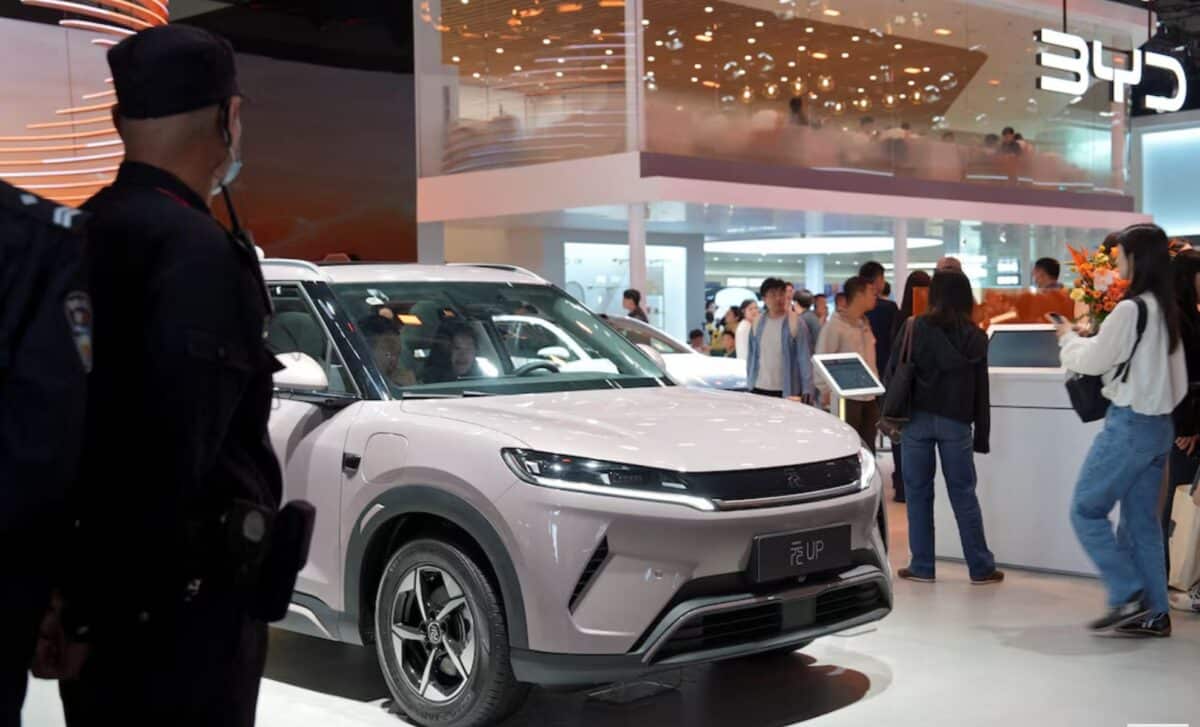
Cost-saving measures have also shaped the model’s development. At launch, the Seagull used a single “monoblade” windshield wiper, a decision some analysts viewed as efficient while some drivers criticized its performance in heavy rain. The updated version now includes two standard wipers.
Taken together, these vehicles illustrate how Chinese manufacturers are balancing affordability with features, setting a benchmark that continues to widen the gap with higher-priced markets like the United States.