

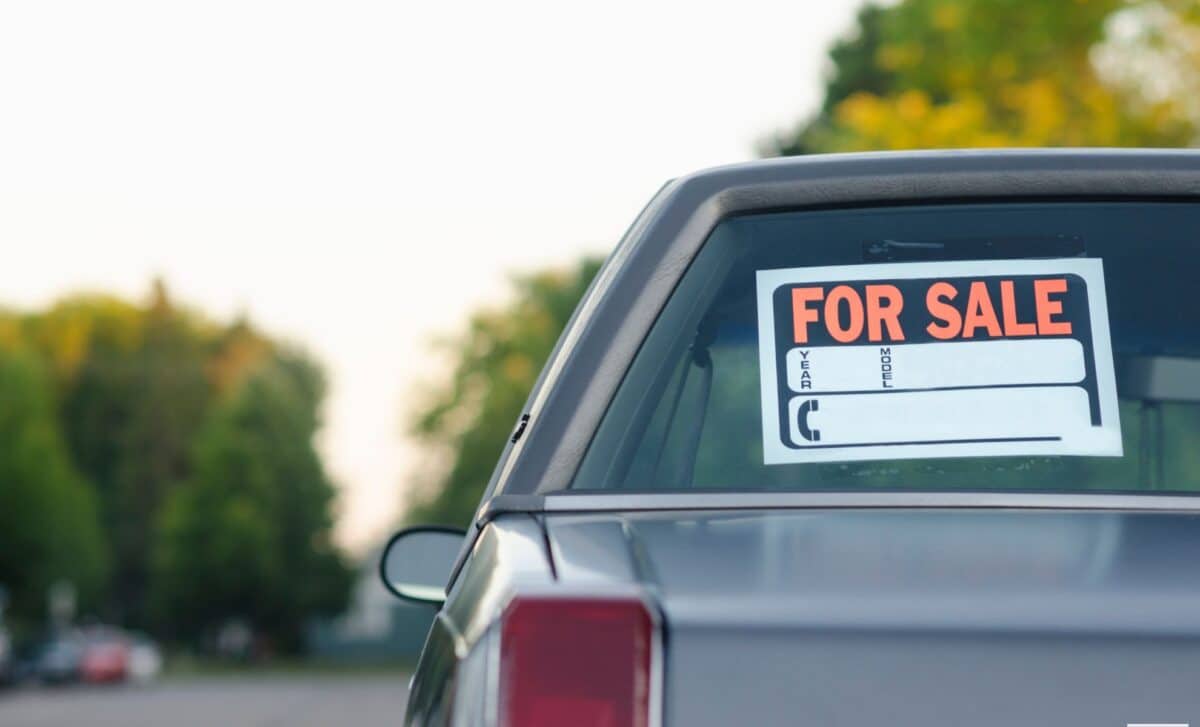
Selling a car privately can bring in more money than trading it in at a dealership, though it usually requires more time and involvement from the owner. From setting the right price to preparing the vehicle and handling negotiations, each stage can influence the final amount received.
Online valuation tools using transaction data can estimate both trade-in and private-party values based on a vehicle’s mileage, condition, options, and location. These estimates often show higher prices for private sales, particularly for vehicles in better condition, since dealerships still need to leave room for resale profit.
Vehicle Records And Paperwork Can Influence Buyer Confidence
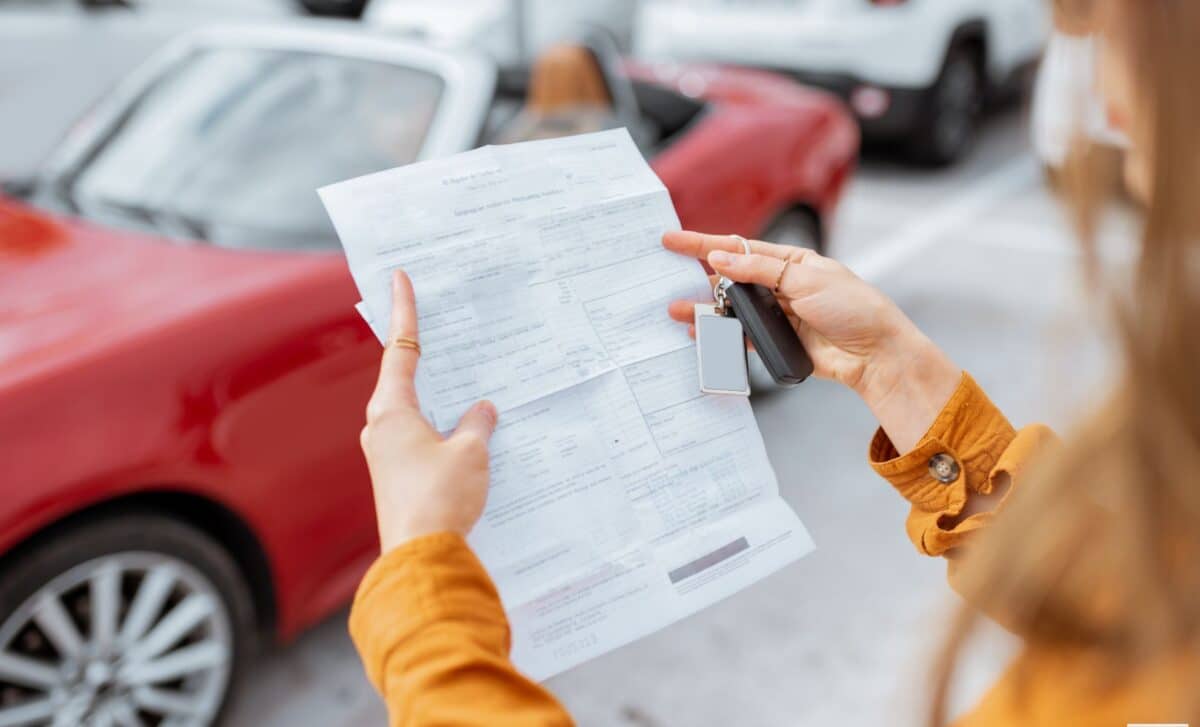
Before listing a vehicle, sellers are advised to locate the car’s title and verify that ownership documents are ready for transfer. Replacing a lost title can delay a sale, particularly when a buyer is already prepared to make an offer.
Maintenance and repair records also play a role in reassuring buyers that the vehicle has been properly maintained. Dealerships may provide service documentation upon request, while a vehicle-history report can show previous ownership records and reported accidents.
For vehicles that were financed, sellers may need proof that the loan has been fully paid off. If money is still owed on the vehicle, the balance must generally be cleared before completing a private-party transaction. Dealers are often able to handle loan payoffs directly, which can make trade-ins more convenient for some owners.
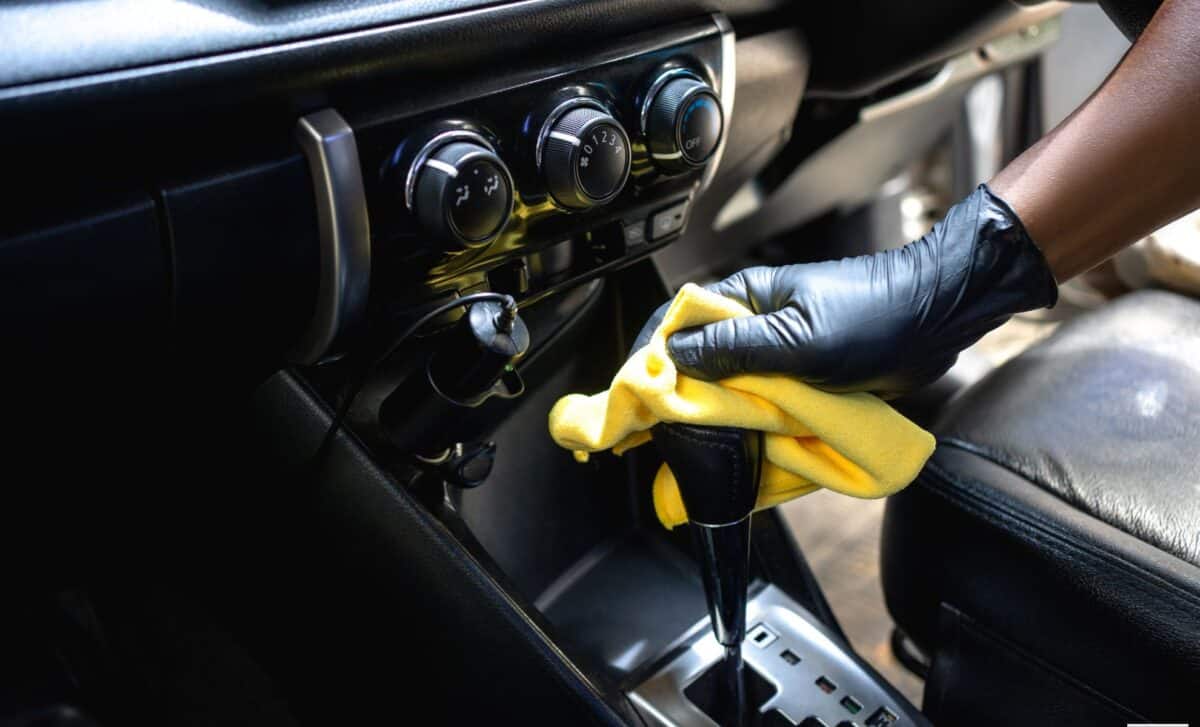
Cleaning, Photography, And Pricing Shape The First Impression
Preparing a vehicle for sale includes thoroughly cleaning both the exterior and interior and removing personal belongings from storage compartments and the glove box. Vehicles with persistent odors, including smoke smells, may benefit from professional upholstery cleaning.
Photos are another key part of the listing process. Sellers are encouraged to use clear, high-quality images showing the exterior from multiple angles, the condition of the interior, the odometer reading, and any visible flaws such as rust or scratches. Extra accessories included in the sale, such as roof racks or additional wheel sets, should also appear in the photos.
Pricing is typically based on the previously researched market value, though sellers often leave room for negotiation by setting an asking price above the minimum amount they are willing to accept. Reviewing listings for similar vehicles in the local market can also help determine a competitive price.
Listings should include accurate details about the car’s condition, maintenance history, oil-change intervals, and recent repairs or upgrades. Honest descriptions may help avoid disputes later in the process.
Sellers Face Scams, Negotiations, And Final Transfer Responsibilities
Once a listing goes live, sellers may receive messages from serious buyers alongside automated scam responses and low offers. Generic messages, immediate replies posted seconds after publication, or offers exceeding the asking price are often signs of automated scam activity on platforms such as Craigslist or Facebook Marketplace, according to Car and Driver.
One filtering method mentioned in the source involves adding a simple verification request in the listing, asking buyers to include a specific word or phrase in their message. Responses that ignore the instruction can then be dismissed more easily.
Test drives also require precautions. Sellers may choose to accompany potential buyers during the drive or temporarily hold an item of value such as the buyer’s driver’s license or car keys. Keeping the vehicle clean and fueled before appointments is also recommended.
Once a deal is reached, documentation becomes essential. A signed bill of sale and reassigned title help establish proof of transfer. Sellers are also advised to keep copies or photographs of the signed documents and the buyer’s identification in case issues later arise involving taxes, insurance claims, or title disputes.
Insurance policies should be canceled promptly after the sale. In some states, vehicle registration authorities must also be notified, and license plates may need to be removed before the buyer leaves with the car.