As more drivers switch to electric vehicles, understanding the real costs behind charging becomes critical. Charging isn’t limited to one location or one rate whether it’s at home, work, or a Supercharger, each setting brings its own price point and practical implications. And while electricity prices may stay relatively stable, gas prices continue to fluctuate, adding another layer to the comparison.
According to the U.S. Department of Energy, 81% of EV charging takes place at home, 14% at work, and only 5% at commercial chargers. This distribution is central to understanding how most Tesla drivers experience daily energy costs, and it shapes the infrastructure needs that come with EV ownership.
Cost per Charge Varies by Model and Setup
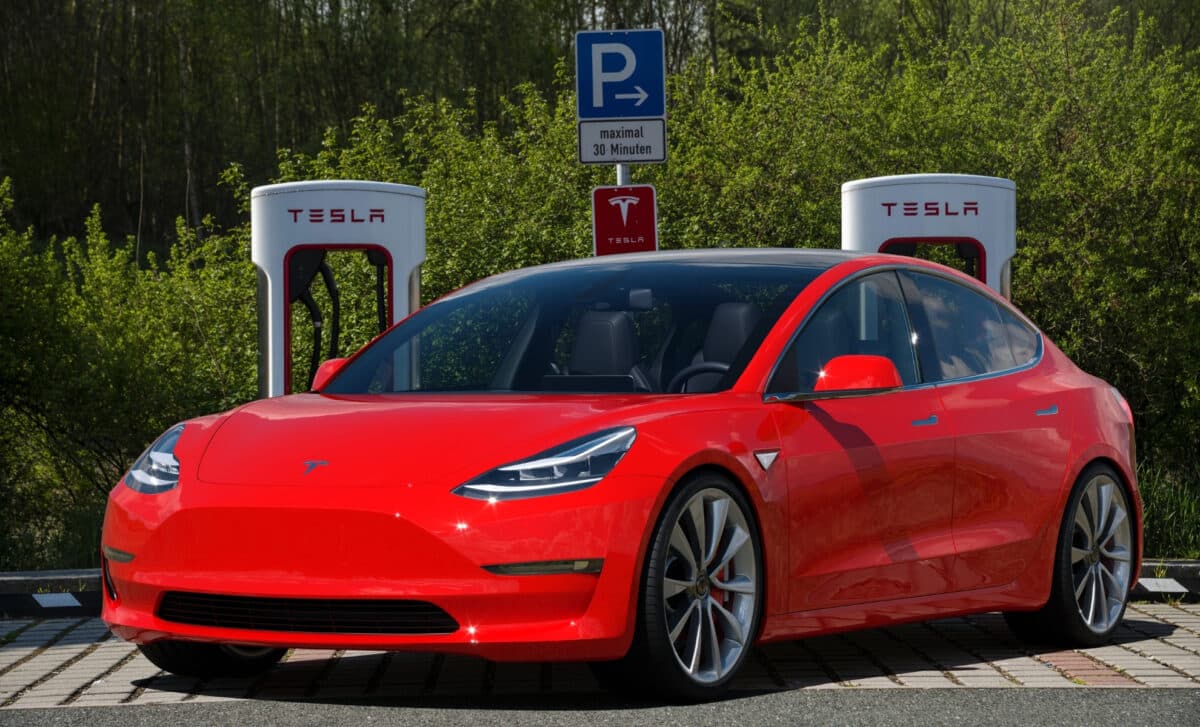
According to EnergySage, the average cost to fully charge a Tesla is $13.96, based on U.S. electricity bills. Depending on the model, costs can fall between $9.62 and $18.30. The price per charge reflects battery capacity and vehicle type, making smaller models like the Model 3 more economical.
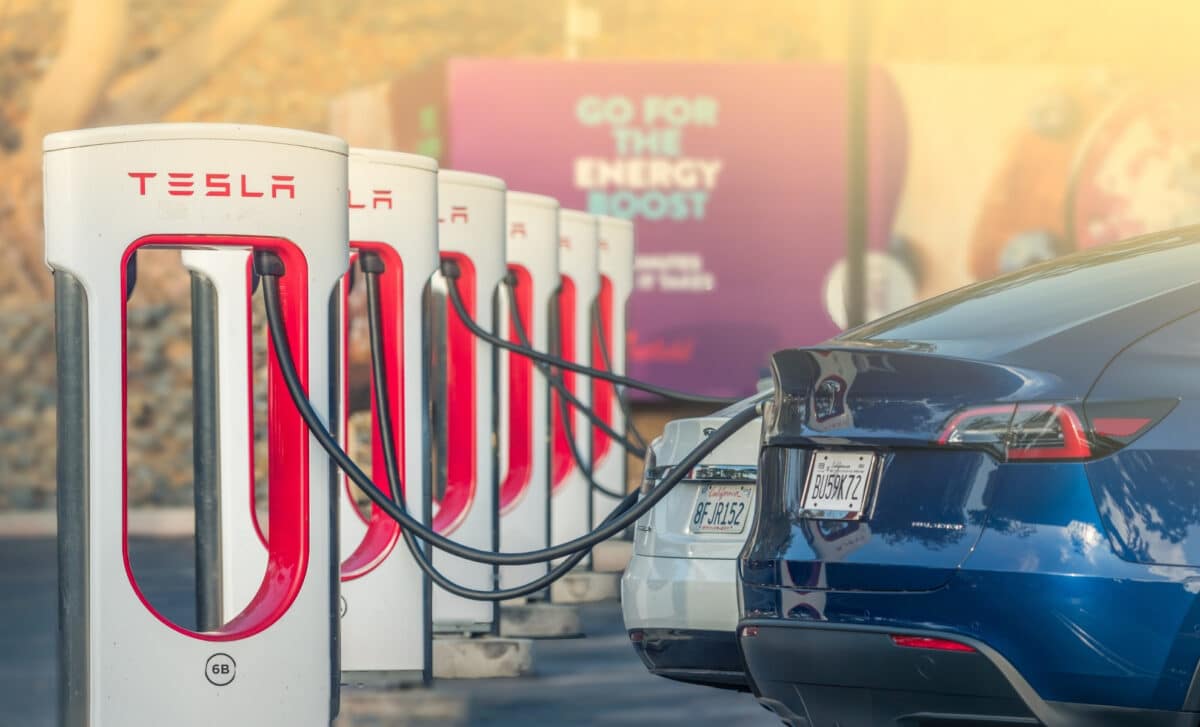
For a more granular look, charging 100 miles at home costs between $4 and $5 using the national electricity average of $0.14 per kWh. The Model 3 is the cheapest, with costs estimated in the $3 range per 100 miles, though this varies based on each model’s range rating. Supercharger stations, while faster, typically cost more than home setups, due to premium pricing for rapid charging.
Installation Costs and Charging Speed at Home
Most Tesla owners charge at home, but using a standard power outlet is slow. For faster charging, many opt to install a dedicated home charger. According to a March 2022 report, installation costs can range from $800 to $2,000, depending on the hardware and electrical setup. In some cases, utilities may offer credits if the installation includes a dedicated meter, helping reduce initial costs.
While these chargers offer faster charging speeds, they also represent a significant upfront investment. Still, the convenience of at-home charging remains a core reason most drivers stick with this method, even if it takes time to recoup the installation cost through lower per-mile expenses.
Comparing EV Charging to Gas and Future Battery Costs
In terms of fuel costs, electric vehicles can have a significant edge. According to Fortune, the national average gas price reached $4.62 per gallon in late May 2022. Under 2026 federal regulations, new vehicles will need to average 40 miles per gallon. With that benchmark, driving 100 miles would cost $11.55 at those gas prices.
Compared to Tesla’s $3 to $5 per 100 miles when charging at home, the savings are clear—at least under current energy rates. Still, gas prices remain volatile and may drop due to international events, making long-term savings difficult to project precisely.
Another cost consideration lies in battery replacement. Tesla batteries retain around 90% of their capacity after 200,000 miles, suggesting most drivers won’t need a replacement soon. But if a new battery is necessary, the price varies. Estimates from Way put basic replacements at $13,000 to $14,000, with high-end models reaching up to $20,000. Additional costs, such as replacing surrounding wiring and labor, can further raise the total bill.