
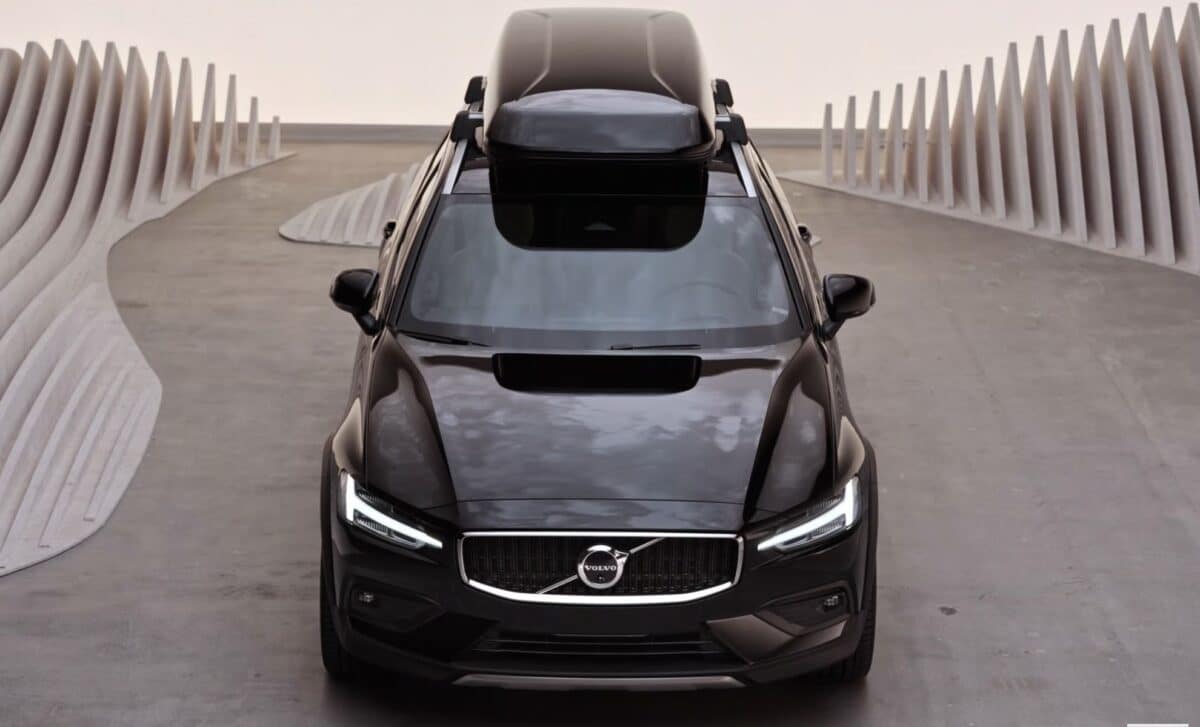
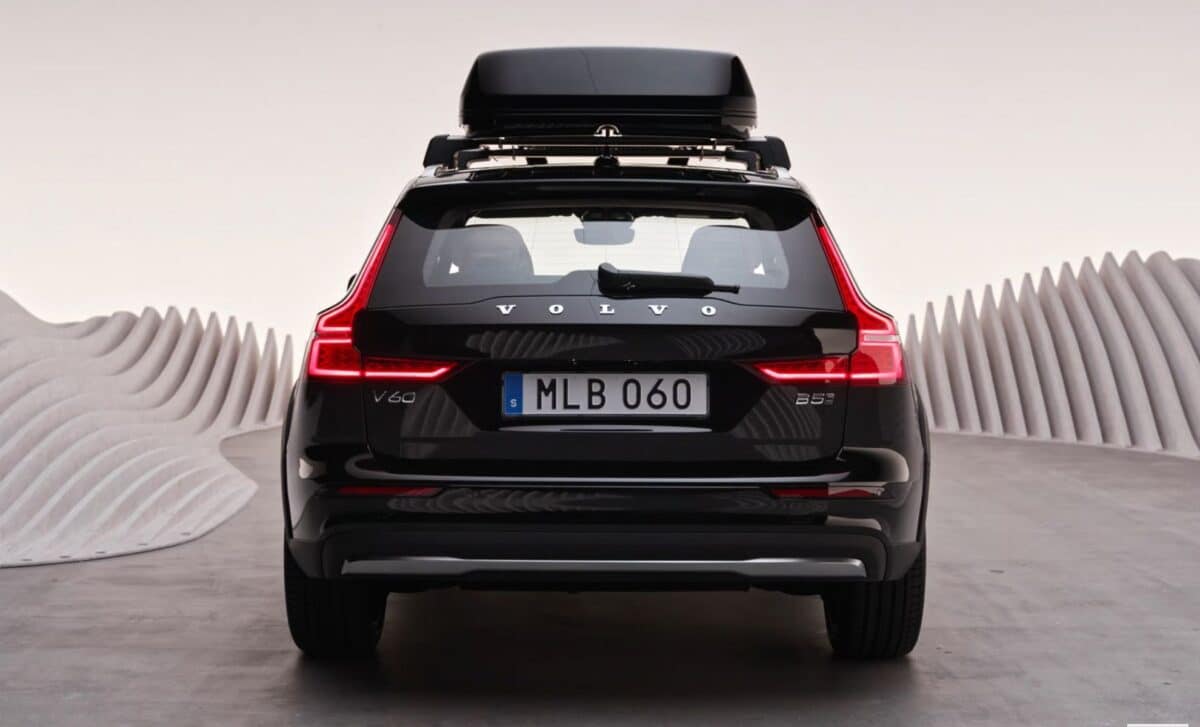
The end of the V60 Cross Country’s production marks a significant shift in Volvo’s strategy for the U.S. market, reflecting broader trends in American car preferences. For years, SUVs have dominated U.S. roads, with their practicality and interior space making them the vehicle of choice for most drivers.
In contrast, Europe continues to embrace wagons, and China is increasingly showing interest in them. Despite these international trends, Volvo executives remain skeptical about the U.S. market’s willingness to adopt wagons again, especially in a market dominated by larger, high-riding SUVs.
Wagons’ Popularity Abroad And The U.S. Shift To SUVs
Wagons remain a staple in European markets, with brands like Volvo continuing to produce models that appeal to customers who prefer the practical yet sleek design of a wagon. However, in the U.S., the traditional wagon has largely fallen out of favor.
According to Volvo CEO Hakan Samuelsson, while European and Chinese consumers still express strong interest in wagons, American buyers have increasingly turned to SUVs for their spacious interiors and perceived versatility. Samuelsson notes that SUVs are likely to continue being the dominant form of vehicle in the U.S., making it unlikely that the traditional wagon will see a significant resurgence there anytime soon, as reported by Motortrend.
In China, however, the landscape is shifting. According to Samuelsson, there is growing demand for wagons, which mirrors Europe’s fondness for the style. As the world’s largest car market, China’s embrace of wagons represents a potential opportunity for automakers like Volvo. Although the U.S. has largely abandoned this body style, international interest in wagons suggests a different future for markets outside America.
The Rise Of Crossover Vehicles
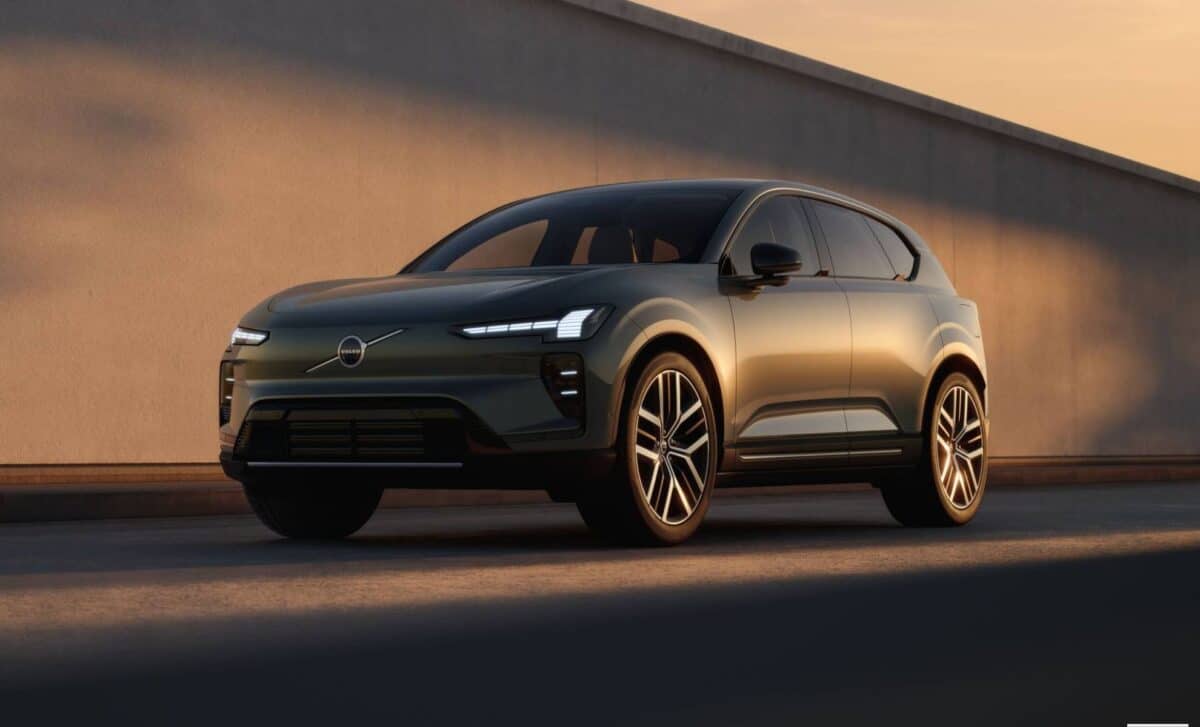
Volvo’s recent introduction of the EX60, a midsize electric SUV, highlights the trend of crossovers blurring the lines between traditional wagons and SUVs. With its elongated body and lower stance, the EX60 stands in stark contrast to the more aggressive, boxy SUVs that have dominated recent years.
Samuelsson points to the EX60 as an example of how the design of future vehicles will lean toward softer lines, more aerodynamic shapes, and a lower stance. In doing so, he suggests that vehicles like the EX60 could bridge the gap between wagons and SUVs, offering a more versatile option for consumers who may not fully embrace either extreme.
This design shift away from tall, boxy SUVs has not gone unnoticed in the industry. Samuelsson believes that the SUV segment, in its current form, may eventually be seen as outdated. As customer tastes evolve, the trend toward more aerodynamically efficient and lower-profile vehicles could make the wagon’s return more plausible, even if SUVs remain dominant in the U.S.
Volvo’s Future With Wagons And Other Body Styles
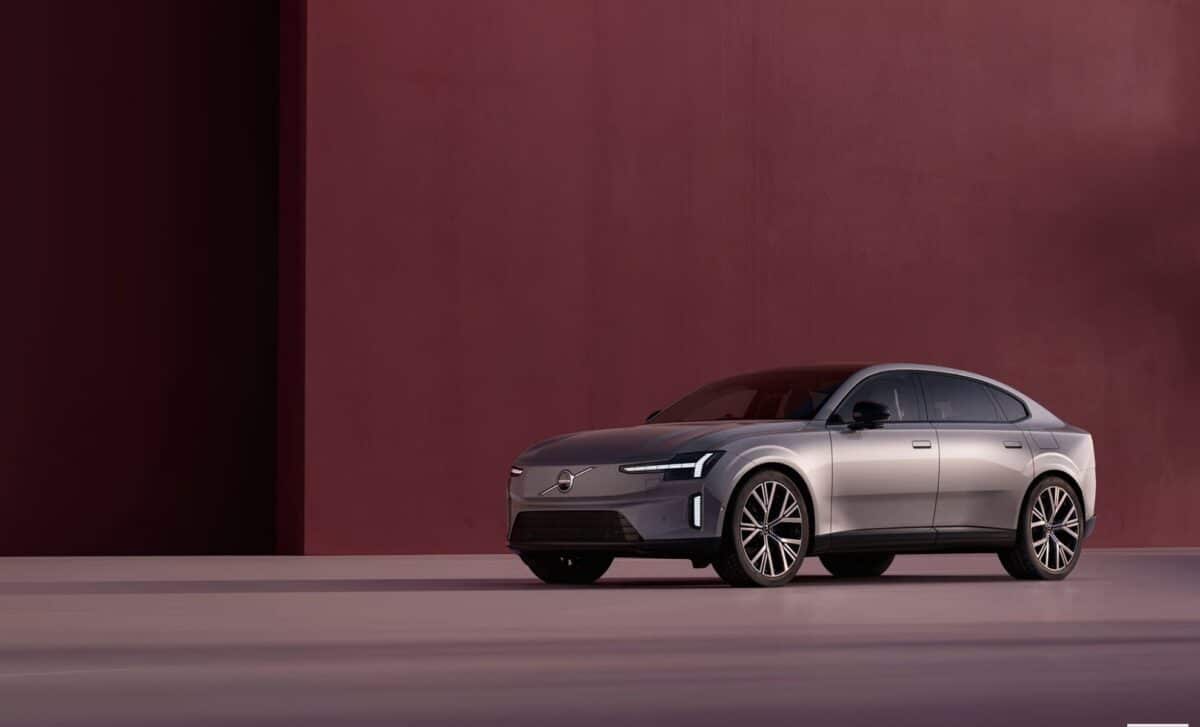
Although Volvo is currently focused on producing SUVs, the brand has not entirely ruled out the possibility of bringing wagons back to the U.S. market. According to Volvo’s Chief Commercial Officer, Erik Severinson, there is still interest in lower body styles and cars that offer a sedan-like ride, like the upcoming ES90 electric sedan.
Despite this, Severinson notes that there is still no clear indication that U.S. consumers are ready to fully embrace wagons again, especially given the ongoing popularity of high-riding SUVs.
While Volvo has not made any firm commitments to bringing more wagons to the U.S., it has acknowledged that preferences may shift in the future. Volvo’s return to focusing on unique, electric vehicles, guided by its new design leader Thomas Ingenlath, suggests that the brand could explore new ways to bring lower body styles into the U.S. in a way that aligns with current trends and customer needs.
For now, American consumers still have access to a range of high-performance wagons from other brands, including Audi and Mercedes-Benz. These options may keep the wagon alive for those who seek the benefits of the body style, even if Volvo has decided to focus on other segments. However, whether this market segment will grow or remain niche depends largely on how future consumer tastes evolve.