

The timing couldn’t be worse for many Americans. Drivers who purchased their vehicles in January 2026 expecting steady fuel prices have found themselves caught off guard by one of the sharpest surges in recent memory. The average annual fuel cost for an internal combustion vehicle now sits at $2,240, a figure that, on its own, sounds manageable, until you compare it with what some specific owners are actually paying.
What the iSeeCars data makes clear is that vehicle type and personal driving habits are together shaping the real cost burden. The study did not just rank vehicles by how fuel-hungry their engines are. It factored in real-world mileage patterns and actual fuel spending to arrive at a more honest picture of who is truly being squeezed at the pump.
Full-Size SUVs Dominate the Hardest-Hit List
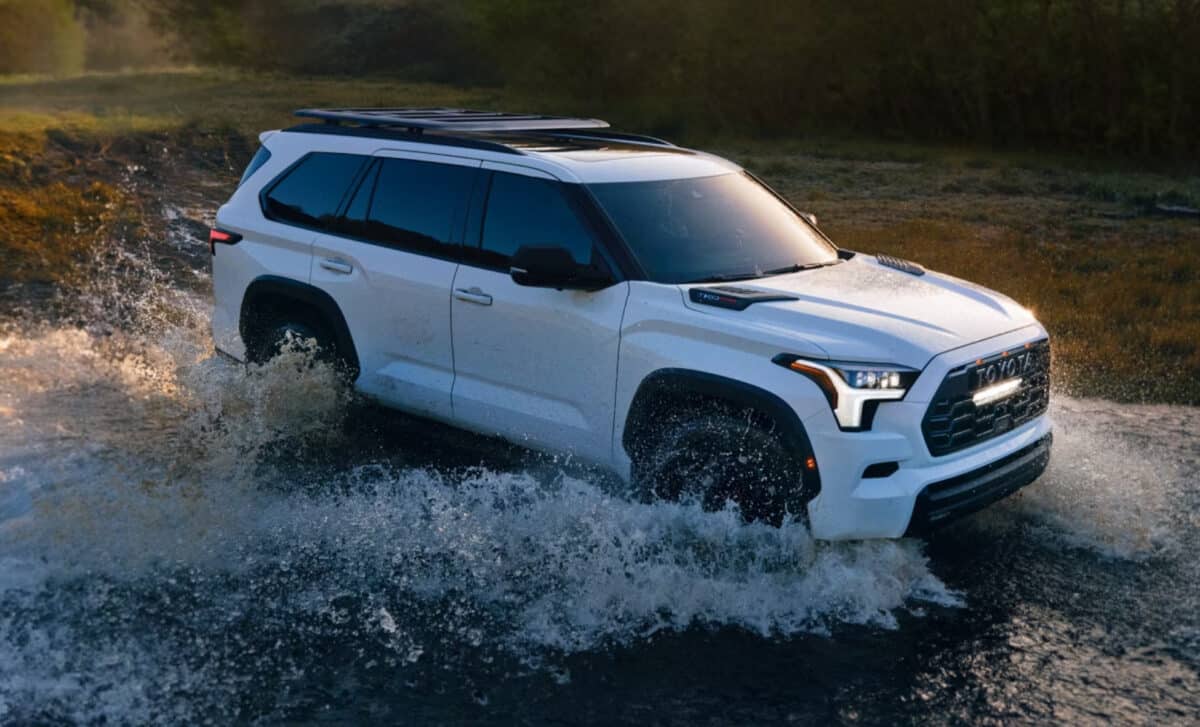
At the top of the rankings sits the Toyota Sequoia, whose owners are now paying $5,145 in annual fuel costs, an increase of $1,623 compared to January. That single-vehicle jump is more than double the national average increase of $706, making it the starkest example in the entire study.
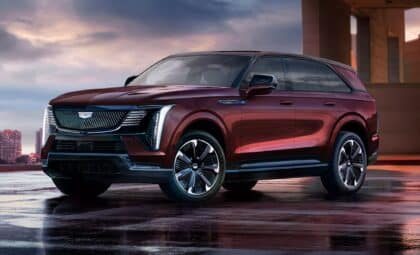
The rest of the list reads like a catalog of America’s largest family haulers. The Chevrolet Suburban follows at $4,889 per year, then the Nissan Armada at $4,797, the GMC Yukon XL at $4,664, and the Chevrolet Tahoe at $4,177. Below that, according to iSeeCars, come the Cadillac Escalade ESV at $4,159, the GMC Yukon at $4,135, the Jeep Wagoneer at $4,064, and the GMC Sierra 1500 Limited at $4,050.
These are vehicles that were already known for their appetite for fuel. What the current surge has done is amplify that characteristic into something far more financially consequential for their owners.
A Minivan’s Place on the List, and Why It Makes Sense
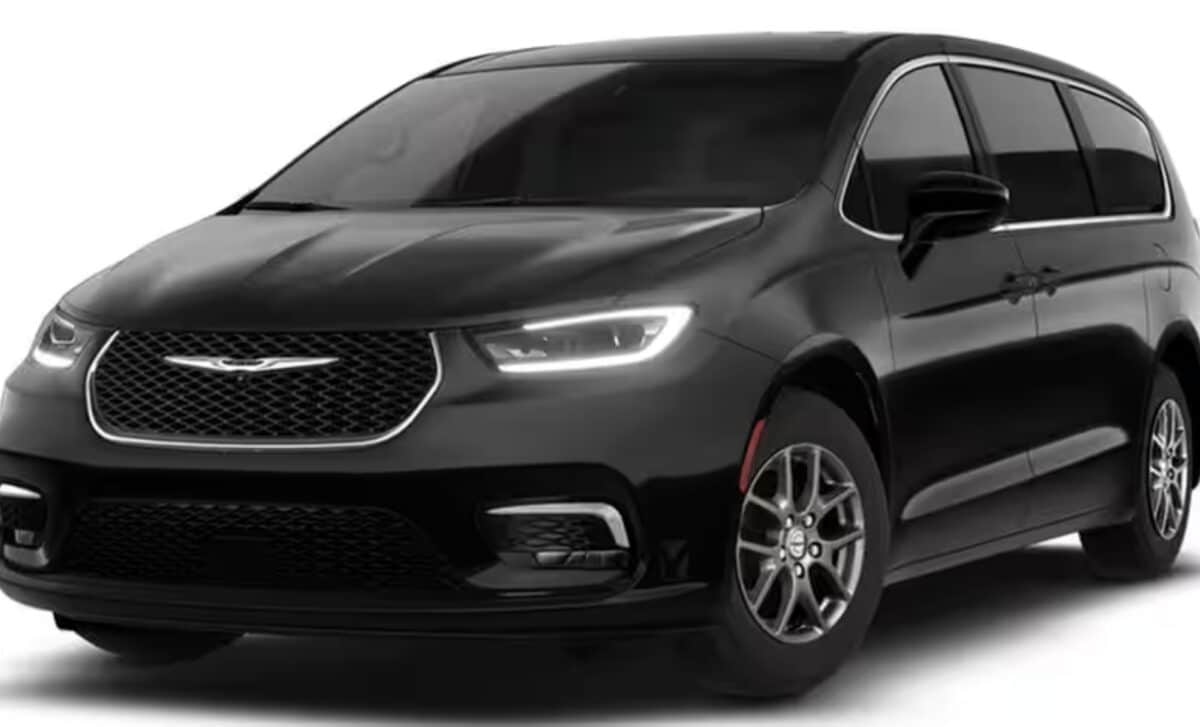
One name on that top-ten list tends to raise eyebrows: the Chrysler Pacifica. A minivan appearing alongside body-on-frame giants might seem out of place, but the iSeeCars study explains the reasoning clearly. Minivan owners drive more miles per year than any other vehicle segment, an average of 19,292 annually, nearly 5,000 more than the typical truck owner.
That extra mileage directly inflates the annual fuel bill. Chrysler Pacifica owners are now spending $3,918 per year at the pump, compared to $3,146 for truck owners. The Pacifica’s engine is not necessarily more thirsty than a pickup’s, but the sheer volume of miles driven pushes its total fuel cost above what most people would expect from a family vehicle.
It’s one of those details that shifts how you think about vehicle economics. The cost of fuel is not only a question of what your engine consumes per gallon, it’s also a question of how far you drive it.
Hybrids and Passenger Cars Offer a Sharper Contrast
On the other end of the spectrum, the picture looks considerably different. Passenger cars remain the cheapest vehicle segment to fuel, with annual costs rising by only $606 since January, bringing the yearly total to $1,922, well below the internal combustion engine average.
Conventional hybrids tell an even more striking story. Despite the fact that hybrid owners drive more miles on average than those in pure combustion vehicles, they still pay around $700 less per year in fuel costs than their ICE counterparts. According to the Motor1, it is precisely this kind of concrete financial advantage that is driving a visible surge in hybrid vehicle sales as gas prices climb.
The study also makes clear that rising fuel costs are beginning to influence purchasing behavior more broadly. As consumers confront real and recurring expenses at the pump, the calculus around fuel efficiency is shifting from a nice-to-have into something far more central to how people choose their next vehicle.