
The lineup spans both Toyota and Lexus brands, with a mix of hybrids, plug-in hybrids, and fully electric models. This rollout reflects a broader strategy where electric vehicles begin to take a more prominent role alongside the company’s long-standing hybrid focus.
The Japanese automaker has historically taken a slower approach to fully electric vehicles compared to competitors. While others invested heavily in battery-electric platforms, Toyota prioritized hybrid technology, which remains central to its offerings today.
Now, with models like the electric C-HR and a forthcoming electric Highlander, the company appears to be expanding its approach. The 2026 lineup also includes redesigns of core vehicles such as the RAV4 and Lexus ES, alongside the final edition of the Supra sports car.
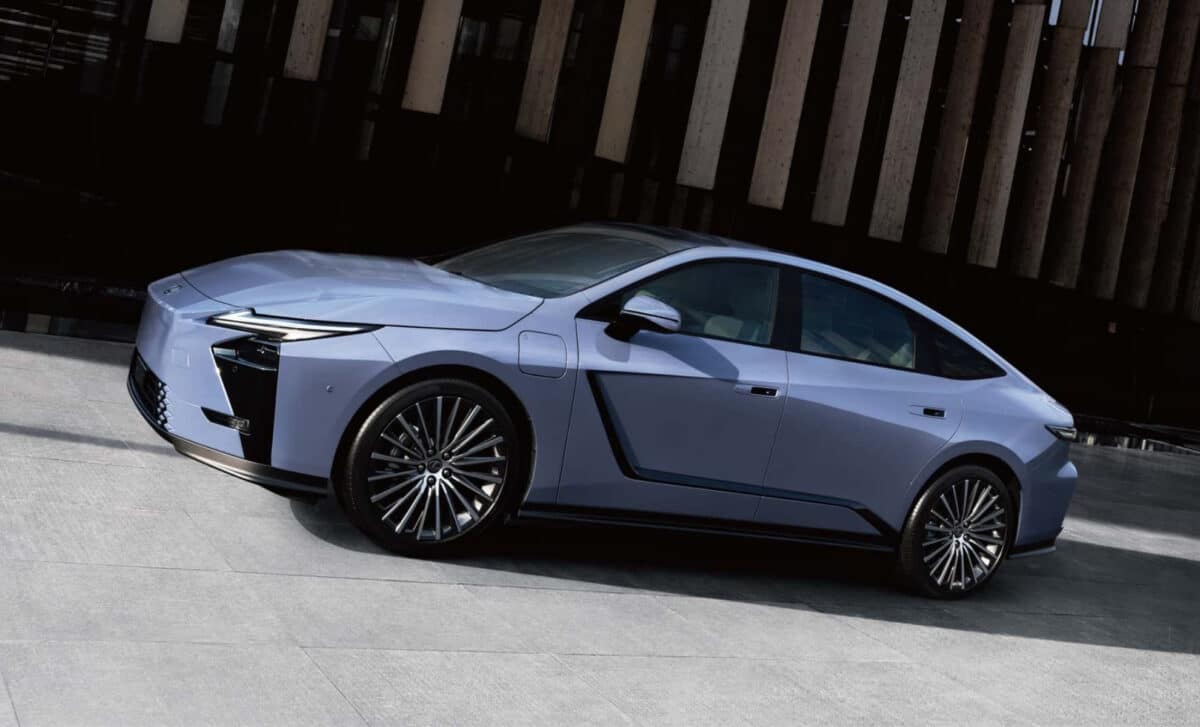
Lexus ES Grows in Size and Adopts Dual Electrified Options
The redesigned Lexus ES enters 2026 larger in every dimension, with its length increasing by 6.5 inches. It will be offered as both a hybrid and a fully electric vehicle. According to Motor1, the ES 350h hybrid will be available in front- and all-wheel-drive configurations, producing a combined 244 horsepower.
The fully electric variant comes with either one or two motors. The dual-motor version delivers 338 horsepower, while the single-motor configuration produces 221 horsepower. Inside, the sedan adopts a minimalist layout featuring two large dashboard screens, one dedicated to infotainment and another for the passenger.
Electric Expansion Reaches C-HR and Highlander
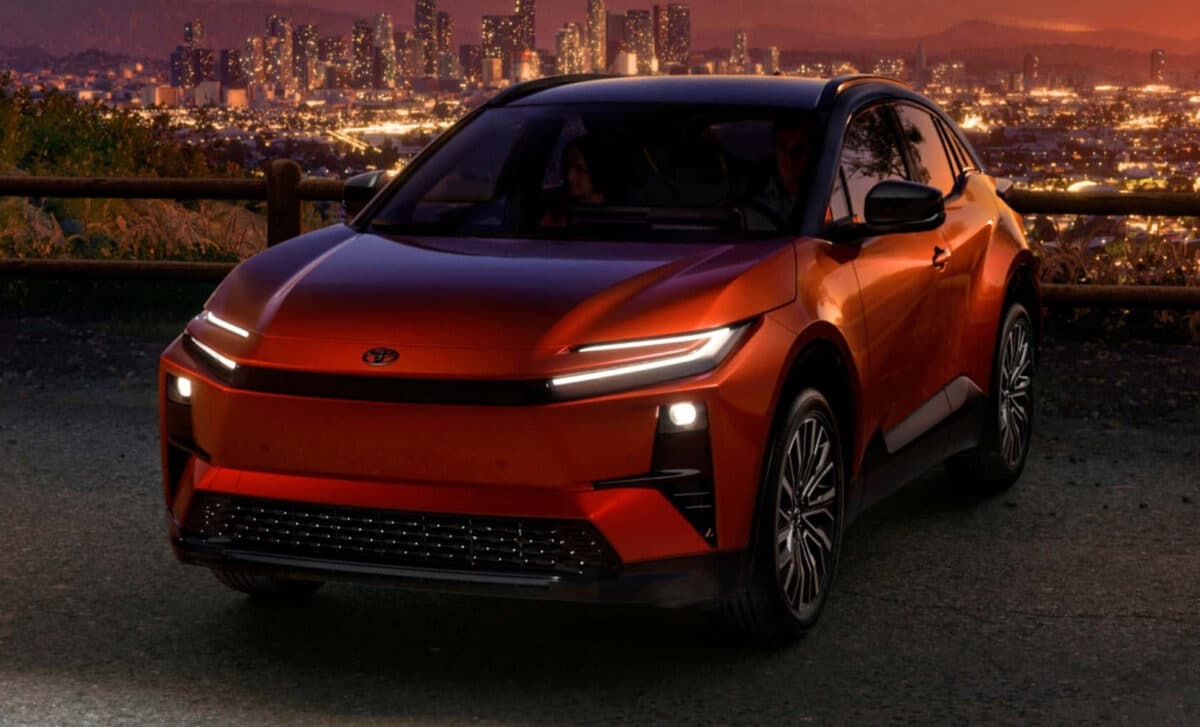
Toyota’s compact C-HR returns as a fully electric crossover, replacing its previous combustion powertrains. The model is equipped with a dual-motor all-wheel-drive system producing 338 horsepower, paired with a 74.4-kilowatt-hour battery. It can accelerate from 0 to 60 mph in 5.0 seconds, which is 1.1 seconds quicker than the GR 86. The starting price is listed at $38,450.
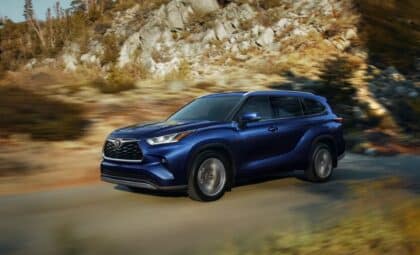
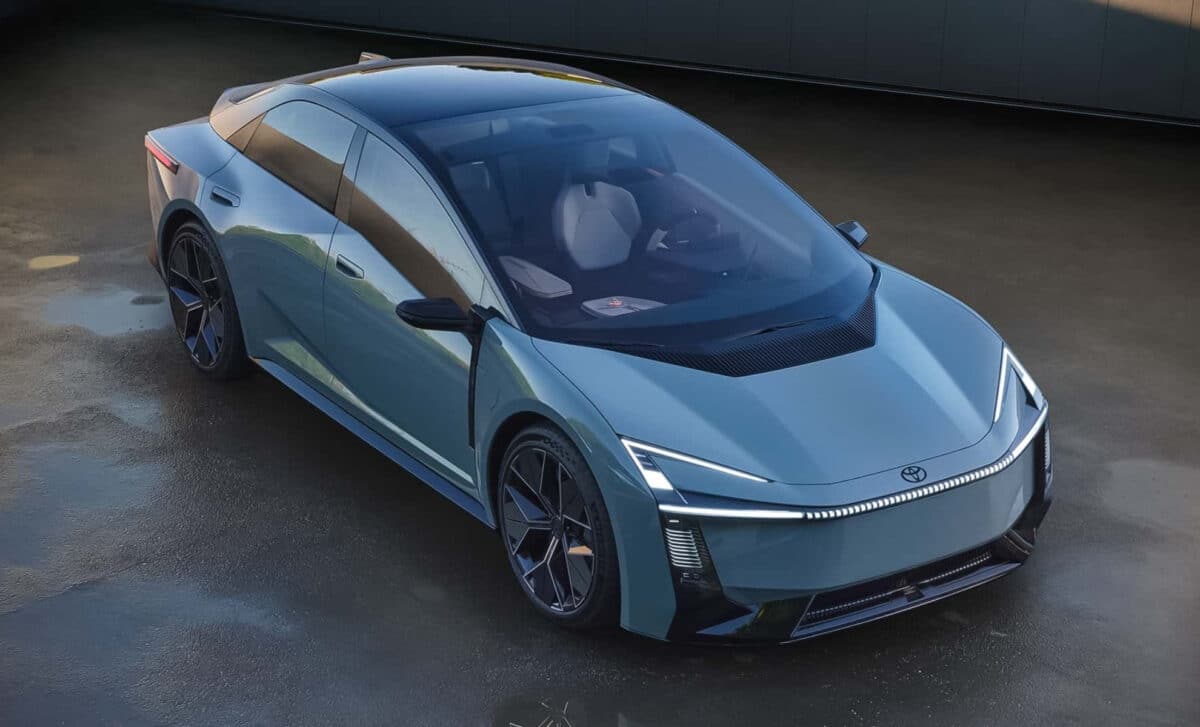
The Highlander also joins the electric transition. A new three-row electric version will enter production and go on sale later in the year, ahead of a fully electric-only shift planned for 2027. The SUV offers two battery options: a 77.0-kWh pack with up to 287 miles of range, and a 95.8-kWh pack reaching up to 320 miles. The powertrain options include a 221-horsepower front-wheel-drive setup and a 338-horsepower dual-motor all-wheel-drive configuration.
Core Models Evolve as Supra Approaches Its Final Year
Toyota’s best-selling RAV4 enters its sixth generation for 2026 with a full redesign. The model will be offered exclusively as a hybrid, including a plug-in hybrid variant. The standard hybrid produces up to 236 horsepower, while the plug-in version delivers 320 horsepower. A new GR Sport trim is also introduced, featuring a plug-in powertrain, updated styling elements, and performance-oriented design cues.
The Corolla, one of Toyota’s longest-running models, is also set for a redesign. While full details are not yet released, the next-generation version has been previewed with a more upscale design. It is expected to retain multiple powertrain options, including combustion, hybrid, and plug-in hybrid variants.
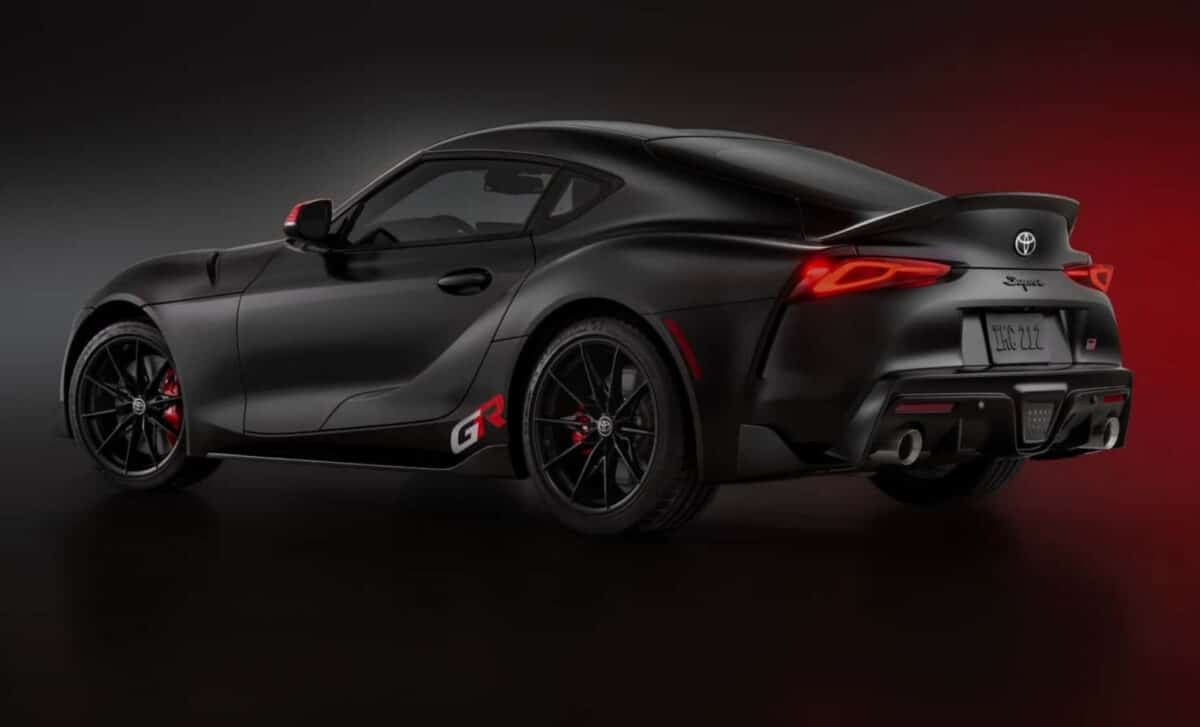
At the same time, the 2026 model year marks the end of the current Toyota Supra. The MkV Final Edition celebrates the model’s departure, featuring mechanical upgrades such as larger brakes and revised suspension tuning. The version available in the United States lacks some of the more aggressive features found in European and Japanese variants. Toyota has indicated that the Supra nameplate will return in the future, though no timeline has been specified.
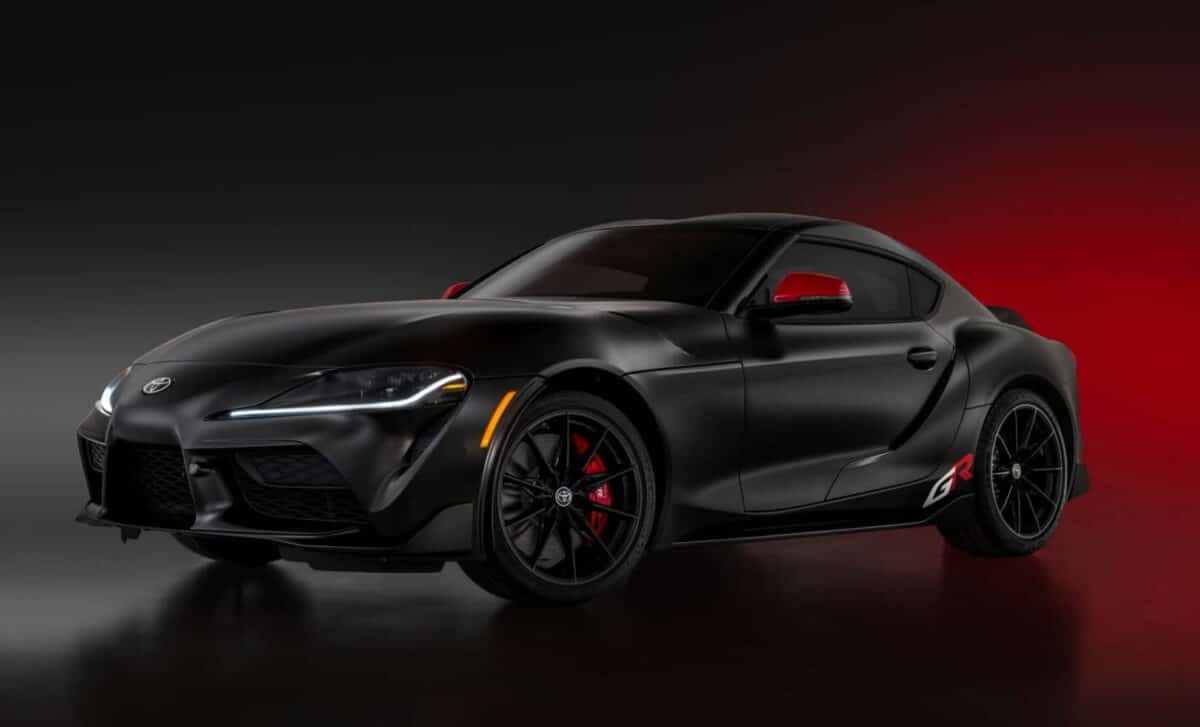
Alongside these launches, several models are being discontinued. The Supra will not continue into 2027, and Lexus has already ended production of the RC and LC models, with the F Performance badge also expected to be phased out.