
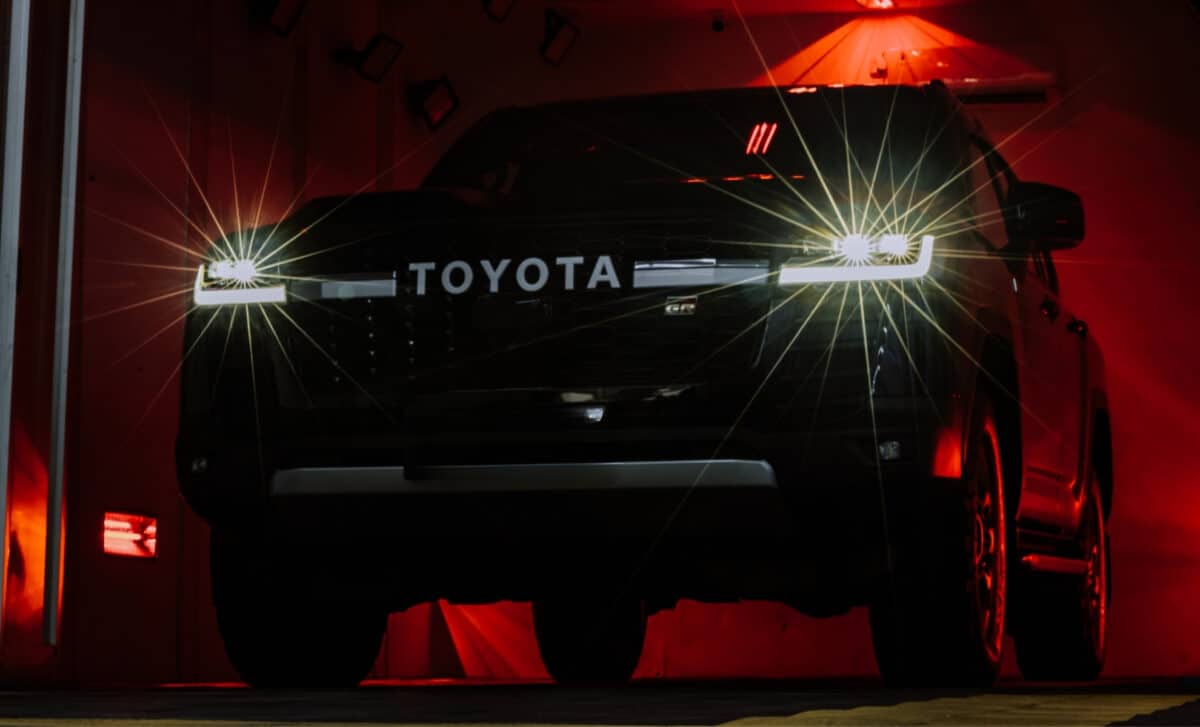
This marks the sixth consecutive year that the Japanese manufacturer has topped global sales, a run that began in 2020 and shows no sign of slowing.
With 10,327,976 vehicles sold between January and November, across its Toyota, Lexus, Daihatsu, and Hino brands, the automaker outpaced the Volkswagen Group’s full-year total of 8,983,900 units before December figures were even released. Toyota’s performance cements its dominance in an increasingly competitive global market, where both legacy players and newcomers are battling for share.
The Volkswagen Group, which includes Audi and other sub-brands, saw a year-on-year decline of 0.5 percent in global sales, despite reporting a significant increase in electric vehicle deliveries. While Toyota expanded its lead, VW continued to face setbacks in key regions, particularly in China and North America, highlighting the diverging momentum between the two companies.
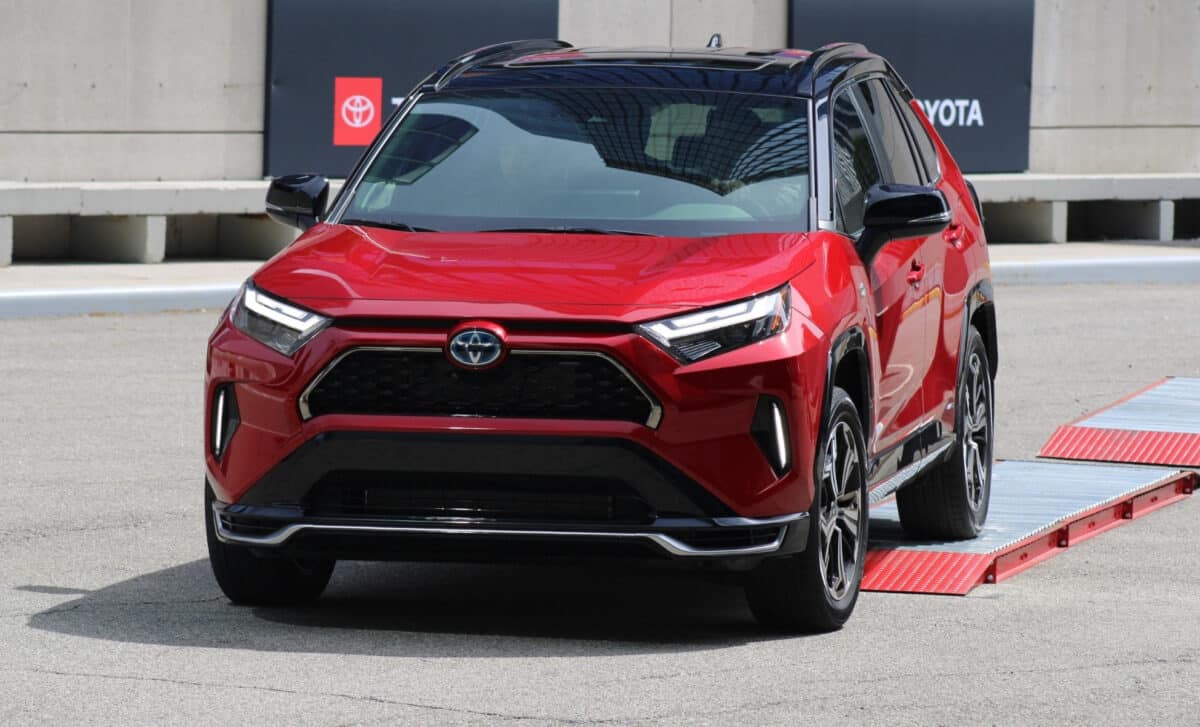
Toyota Builds on Diversified Global Strategy
Toyota’s total of over 10.32 million units sold in the first eleven months of 2025 represents a 4.8 percent increase from the same period in 2024. This figure includes strong contributions from its subsidiaries: Lexus, known for premium models; Daihatsu, a leader in compact vehicles; and Hino, its commercial vehicle division.
Volkswagen, meanwhile, ended the year with 8.98 million units sold, failing to close the gap despite steady sales in some regions. Its flagship Volkswagen brand declined by 1.4 percent to 4.73 million units, and Audi saw a 2.9 percent drop, delivering 1,623,551 vehicles. The gap between Toyota and VW, already significant before December, is expected to widen further once full-year data is finalized.
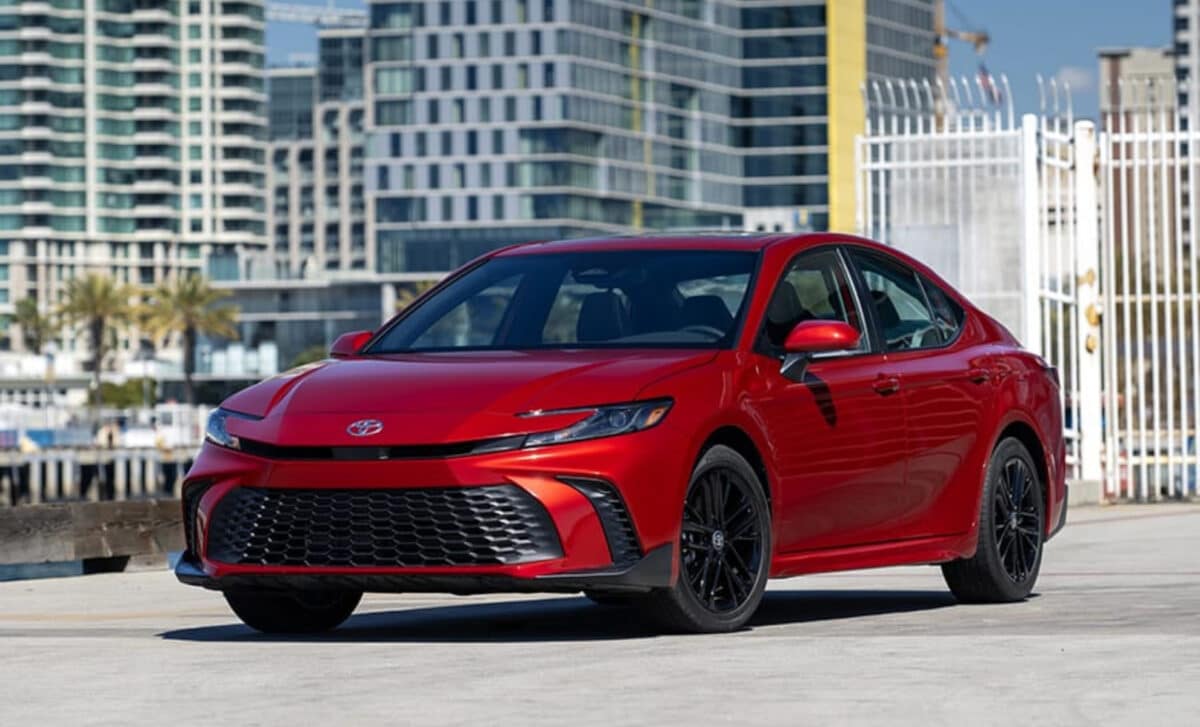
Toyota’s lineup continues to benefit from wide appeal, especially with models like the Corolla, Camry, and RAV4. New additions such as the upcoming Hilux, a more affordable Land Cruiser FJ, and the sixth-generation RAV4, which will be joined by a Wildlander variant in China, are set to sustain its momentum going into the next year.
Regional Contrast Sharpens Global Picture
In China, once Volkswagen’s most dominant market, the company recorded a significant decline in 2025, selling around 2.69 million vehicles, down 8 percent from the previous year. The drop reflects rising pressure from Chinese manufacturers, especially in both EV and internal combustion segments, where domestic competition has intensified.
Toyota, by contrast, saw its first year of sales growth in China in four years, signaling a potential recovery in a market that has proved challenging in recent years. The company’s growth there stands in stark contrast to VW’s losses, contributing further to the widening global gap between the two automakers.
Volkswagen did register progress in certain areas. Sales in Europe remained stable, and its global electric vehicle sales surged 32 percent, reaching 983,100 units by the end of 2025. Increased demand in Europe and the United States indicates that VW’s electrification strategy is starting to gain traction, although not yet at a level that can offset losses elsewhere or rival Toyota’s total volume.
Contrasting Outcomes in the U.S. Market
In the United States, the performance gap was especially stark. Toyota experienced a strong year, bolstered by continued demand for hybrids and crossovers. The brand’s early move into hybrid technology continues to serve it well, especially among buyers looking for improved fuel economy without fully transitioning to electric vehicles.
Volkswagen’s position in the U.S. deteriorated in 2025. Sales dropped 10.4 percent, driven by pricing pressure and tariffs, which forced the company to pause certain models and rethink its strategy in the region. Its top sellers, Tiguan and Atlas, were not enough to maintain volume, and even significant investments in EVs couldn’t close the competitive gap.