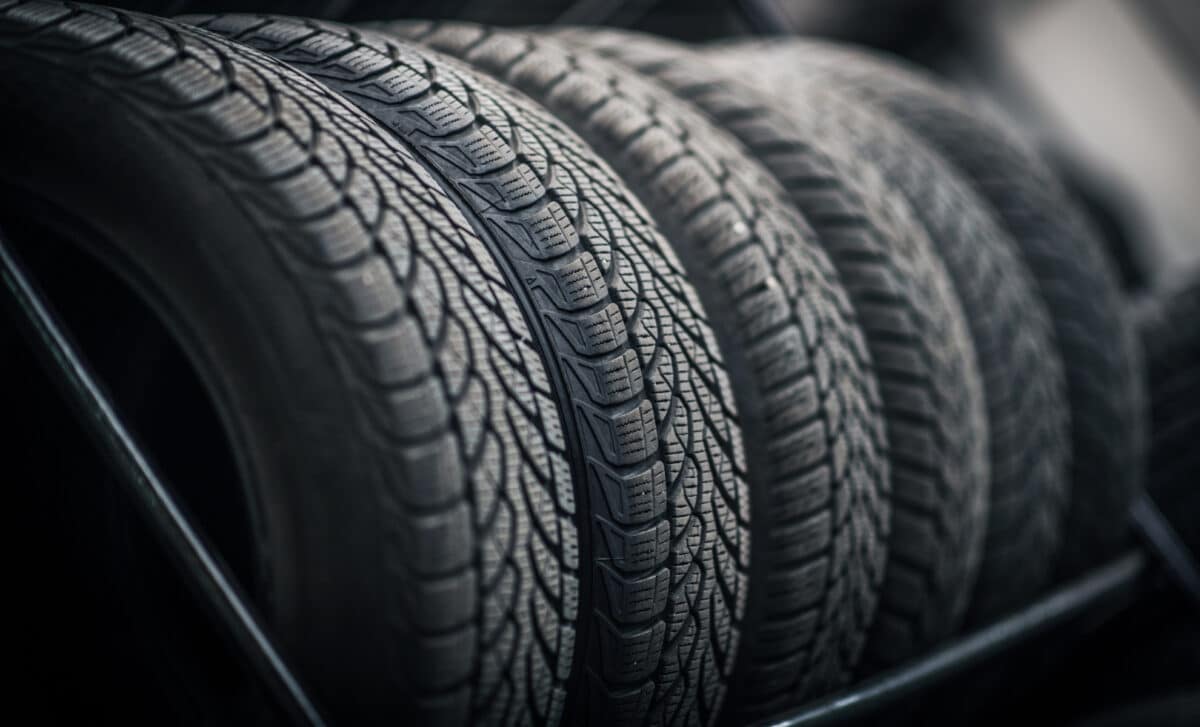
The tires in question are produced at Linglong’s plant in Zrenjanin, in northern Serbia. This facility, which began mass production in September 2024, marks the Chinese brand’s first European factory, heavily backed by Beijing. Allegations of labor abuses at the site have circulated for years, and U.S. authorities now claim to have gathered sufficient evidence to take decisive action.
The U.S. decision adds new weight to longstanding suspicions about labor practices at the factory and revives broader concerns about China’s industrial presence in Serbia, a candidate country for EU membership. It also brings international attention to Serbia’s oversight of foreign-backed projects and the vulnerability of its labor system.
CBP Confirms Findings of Forced Labor at Zrenjanin Factory
According to U.S. Customs and Border Protection (CBP), the seizures were ordered following an “investigation and review of information” indicating the use of forced labor at the Zrenjanin facility. The CBP’s evidence base includes a mix of worker testimonies, internal documents, press coverage, NGO reports, academic research, and photographs.
The report outlined several specific abuses: confiscation of identification documents, intimidation, isolation, excessive overtime, withholding of wages, debt bondage, and harsh or deceptive working conditions. CBP Commissioner Rodney S. Scott stated publicly that “the message is clear: the United States will not tolerate forced labor in supply chains.”
The seizure covers all tire types produced at the Serbian site, including those intended for passenger vehicles, off-road use, and agricultural equipment. These products will now be blocked at every U.S. port of entry, with no exceptions. The factory’s position in the global supply chain, and its ties to both Chinese and European markets, intensifies the geopolitical implications of the CBP’s decision.
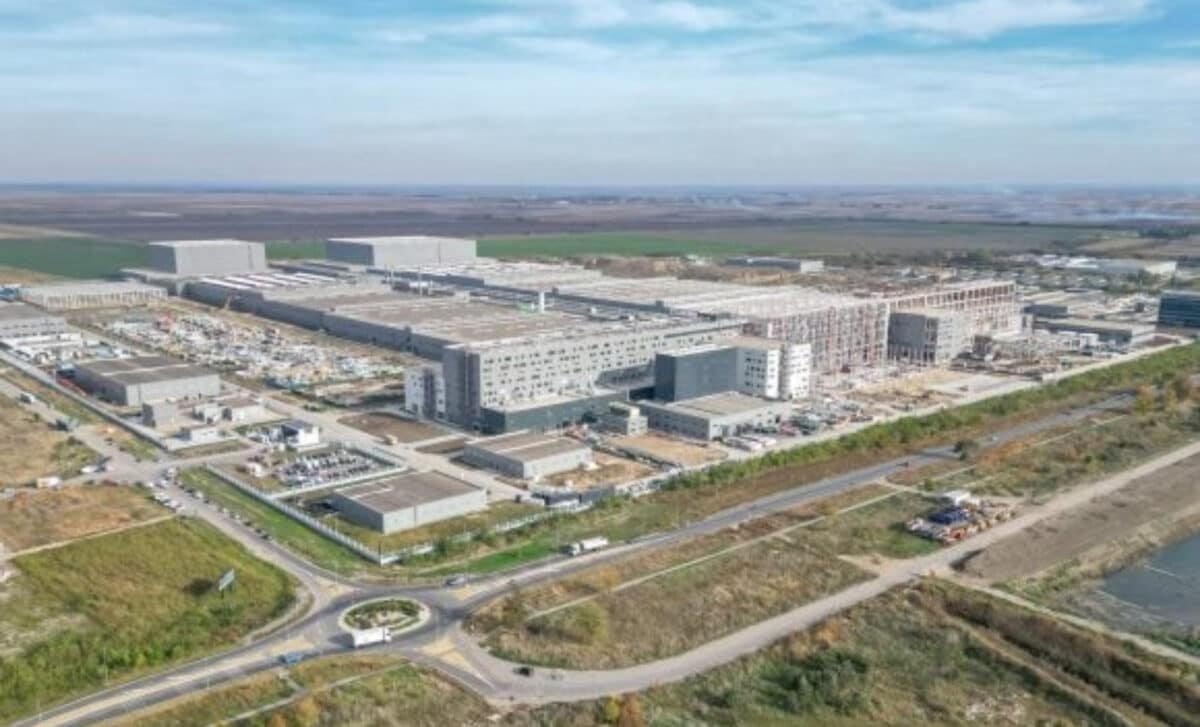
A Troubled Track Record for Linglong in Serbia
Allegations against the Zrenjanin factory began even before it entered production. In 2021, while still under construction, the facility became the focus of controversy when hundreds of Vietnamese workers reportedly went on strike, claiming they had been recruited through deceptive means and were subjected to poor living and working conditions.
Similar concerns resurfaced in February 2024, when Serbian civil society organizations reported that 14 Indian workers had also been subjected to forced labor practices at the same plant. The accusations included coercion, poor accommodation, and involuntary work under threat.
In each instance, Linglong denied any direct responsibility, stating that the workers had been hired by third-party subcontractors. Meanwhile, Serbian authorities rejected the allegations, maintaining that no labor laws had been violated. Despite these denials, the pattern of complaints has remained consistent.
Limited Response From Serbia and Growing International Scrutiny
The situation has drawn attention from European and U.S. institutions, particularly due to Serbia’s growing economic dependence on Chinese investments. The European Parliament previously called for an official investigation into alleged human trafficking of Vietnamese workers to Serbia, explicitly naming the Linglong factory.
According to the U.S. Department of State’s 2025 report on human trafficking, Serbia has shown “little progress” in investigating forced labor cases, including those linked to the Zrenjanin site. This lack of follow-up has only intensified criticism of Serbia’s regulatory approach and its commitment to labor protections.
At the heart of the issue is Serbia’s free trade agreement with China and its broader strategy to attract industrial projects from the East. The country is also home to Europe’s largest lithium reserves, adding to its strategic importance. Critics argue that economic incentives may be outweighing ethical and legal safeguards in such ventures.
A Warning to Global Manufacturers
The U.S. move sends a strong signal not just to Serbia and China, but to any country or corporation involved in questionable labor practices. Linglong, a company founded in 1975, now faces serious reputational risks tied to its flagship European investment.
While the seized tires represent a fraction of the global supply, the implications are significant. The factory was designed as a major European hub for Linglong’s international operations. Its role in supplying U.S. markets now stands suspended indefinitely.
As Washington clamps down on forced labor across supply chains, the Linglong case highlights the growing intersection of trade, ethics, and international policy. For now, no Linglong tire made in Serbia will pass through U.S. customs—until the concerns behind their production are resolved.