
The comments came during Volkswagen Group’s first-quarter earnings call, where executives outlined the financial challenges tied to the company’s transition toward electrification. While EV profitability has improved, the German automaker acknowledged that internal combustion vehicles continue to deliver stronger returns for now.
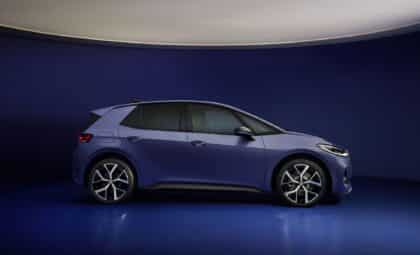
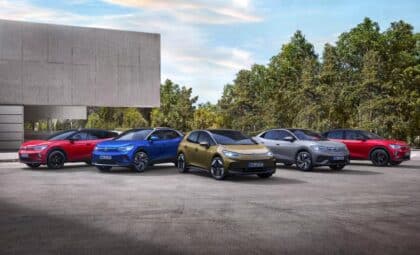
Volkswagen has spent years expanding its electric lineup through its MEB and PPE platforms, which currently support vehicles ranging from the VW ID series to premium Audi and Porsche EVs. According to the company, the next phase of its strategy will depend heavily on reducing manufacturing costs and improving efficiency across future models.
Volkswagen says SSP platform is key to matching gas-car margins
According to Volkswagen Group CFO Arno Antlitz, the company does not expect EV profit margins to become “fully comparable” to combustion-engine vehicles until the arrival of the Scalable Systems Platform, known as SSP.
SSP is designed to replace Volkswagen’s existing MEB and PPE architectures. Today, MEB serves as the foundation for the Volkswagen ID family, while PPE underpins premium electric vehicles including the Audi A6 e-tron, Audi Q6 e-tron, Porsche Macan EV and Cayenne EV.
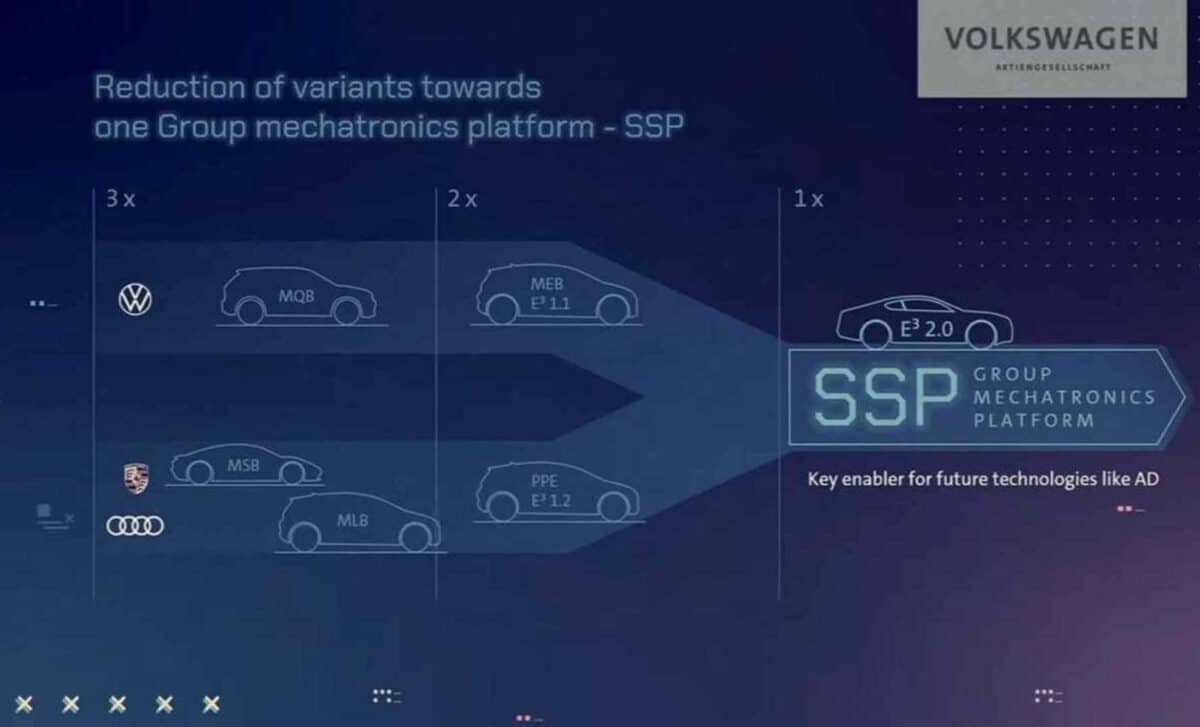
Volkswagen had originally planned to launch SSP this year. The company now expects the platform to arrive by the end of the decade. Antlitz said the new architecture should lower production costs by 20% compared with MEB.
The executive also noted that Volkswagen has already improved profitability on its current electric models. Speaking during the earnings call, Antlitz explained that updated MEB Plus vehicles now use lower-cost lithium iron phosphate batteries along with a cell-to-pack battery layout aimed at reducing expenses. “There, the margin-dilution effect is still there, but it’s smaller,” Antlitz said.
Volkswagen Says Some EVs Now Reach 70% to 80% of Gas-Car Margins
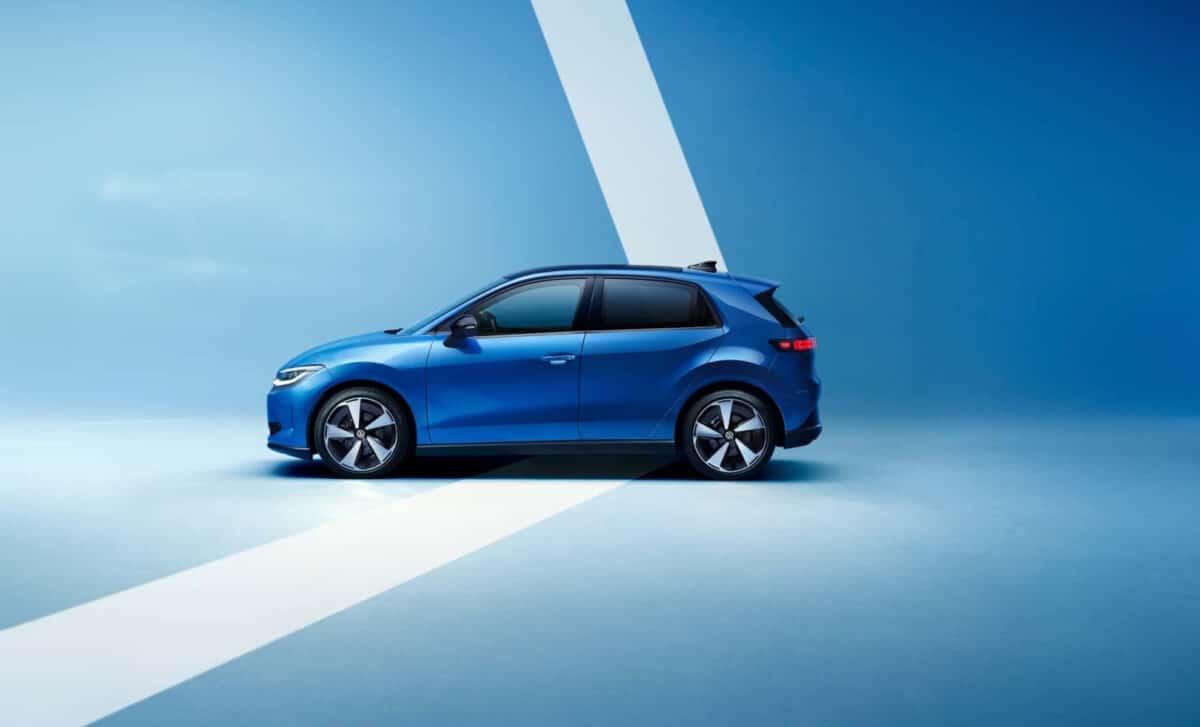
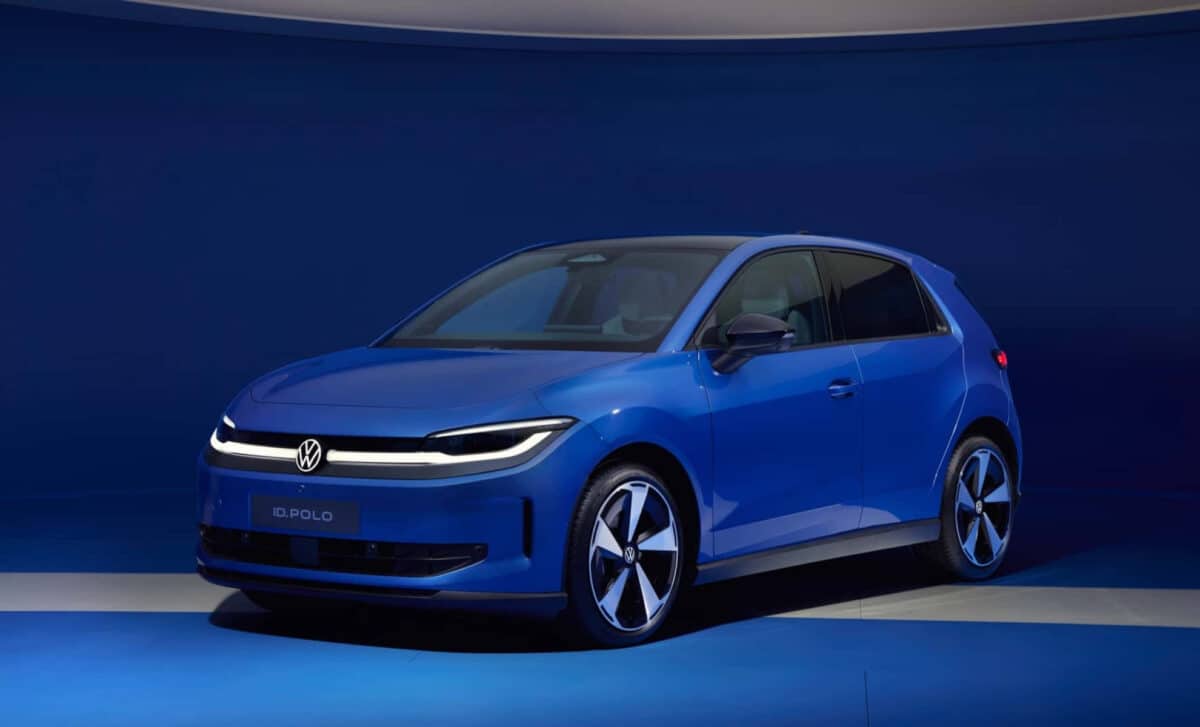
Volkswagen offered one concrete example during the earnings presentation. According to Antlitz, the upcoming ID.2 Cross currently achieves around 70% to 80% of the profit margin generated by its combustion-engine equivalent.
The statement highlights how far the company still needs to go before electric models consistently match the financial performance of traditional vehicles. Volkswagen executives linked those improvements directly to lower battery costs and platform efficiencies already introduced into newer EV architectures.
According to InsideEVs, the discussion around margins also reflects broader pressure across the automotive industry, where manufacturers continue balancing EV investments with profitability concerns.
Volkswagen Group CEO Oliver Blume has already set a target for company-wide margins between 8% and 10% by 2030. In the company’s 2025 annual report to shareholders, Blume said that objective would rely on “strict cost and investment discipline.”
Volkswagen Faces Pressure in North America and China
The earnings call also revealed ongoing sales challenges for the Volkswagen Group in two of the world’s largest automotive markets.
According to the company, Volkswagen recorded a 10% sales decline in North America and an 8% decline in China during 2025. Despite that slowdown, Blume stated that Volkswagen expects its annual operating margin for 2026 to land between 4% and 5.5%, compared with 2.8% in 2025.
Many Western automakers continue prioritizing higher-priced EVs such as SUVs and trucks because those segments offer stronger margins. The publication also noted that manufacturers are increasingly seeking efficiencies through software and recurring subscription-based revenue streams.
For Volkswagen, combustion-engine vehicles remain a larger source of profits today, while the company continues preparing for a broader shift toward more cost-efficient electric platforms later in the decade.