
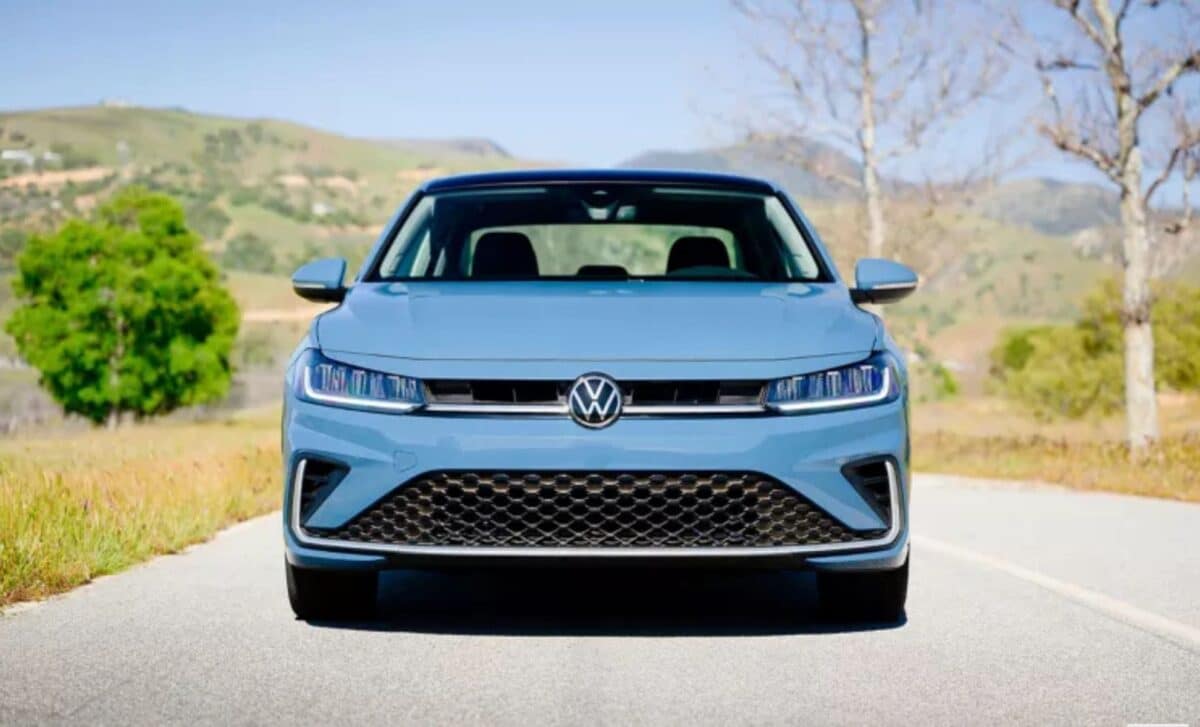
The latest sales data highlights a difficult period for sedans in a market increasingly dominated by SUVs. Still, Volkswagen is maintaining its commitment to the Jetta, emphasizing its role as an entry point into the brand.
The situation reflects broader shifts in consumer preferences, but also raises questions about how long the current trajectory can continue without major changes to the model.
Sales Decline Accelerates In 2026
According to Volkswagen’s Q1 2026 sales report cited by Autoblog, overall brand sales in the United States fell by 16.1%, while the Jetta recorded a much sharper drop of 34.9% compared to the same period last year. This follows an earlier decline of 24.4% throughout 2025, indicating a sustained downward trend.
These figures place the Jetta among the hardest-hit models in Volkswagen’s current lineup. The decline is particularly notable given the shrinking number of sedans still available in the U.S. market, where several competitors have already exited the segment.
The ongoing drop in sales has fueled speculation about the model’s future, especially as automakers continue to prioritize crossovers and SUVs.
Volkswagen Defends The Jetta’s Strategic Role
Despite weakening demand, Volkswagen maintains that the Jetta remains a key component of its portfolio. In an interview relayed by CNBC, Petar Danilovic, senior vice president of North American product marketing, described the model as “one of our most important nameplates.”
He explained that the Jetta serves as an entry-level vehicle designed to attract new customers to the brand. According to Danilovic, the strategy is to retain these buyers over time, moving them from the Jetta to larger models such as the Tiguan or Atlas.
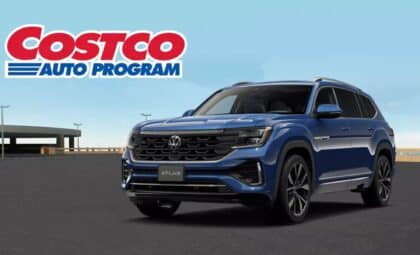
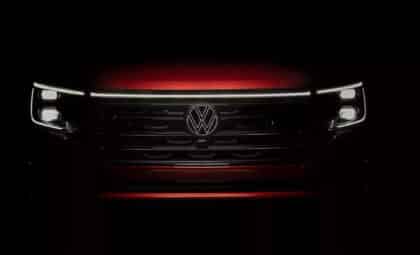
This positioning also explains why Volkswagen continues to showcase the sedan at major events. The Jetta was displayed at the New York International Auto Show, even as newer models like the Atlas drew more attention. The decision signals that the company is not ready to follow competitors that have abandoned the sedan segment altogether.
Pricing And Product Limitations Shape Its Market Position
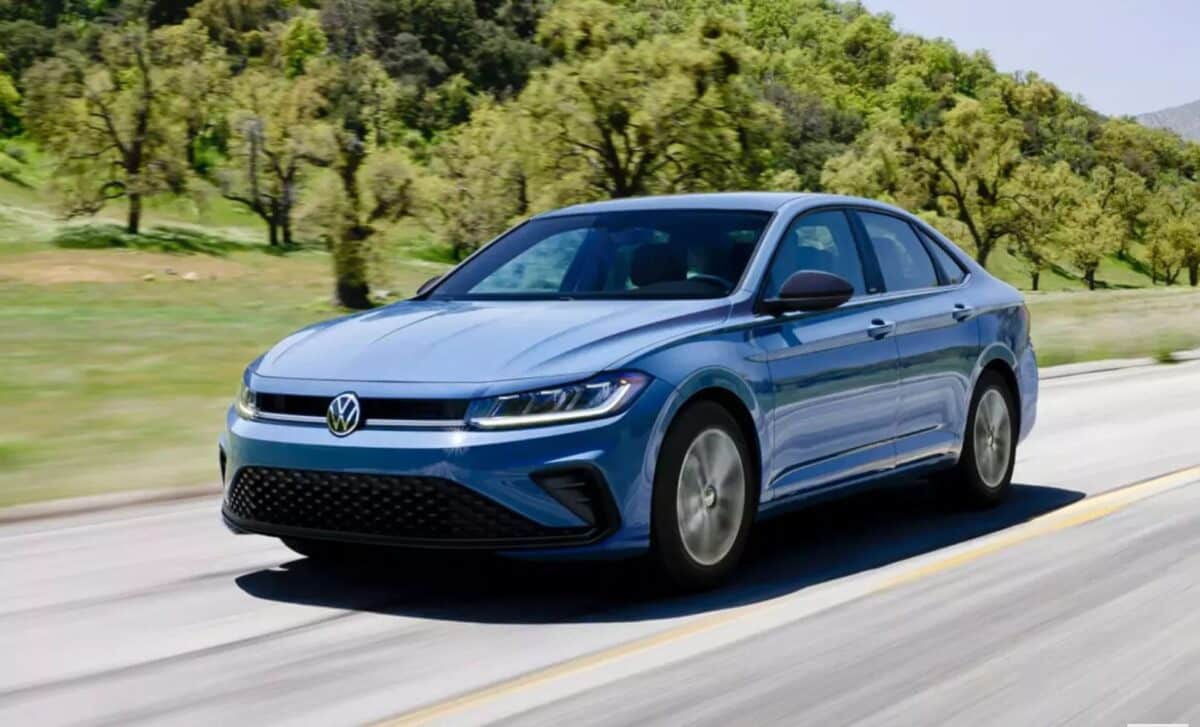
The Jetta remains Volkswagen’s most affordable vehicle, with a starting price of $23,995. This places it more than $2,500 below the Taos and over $5,000 cheaper than the Tiguan.
While competitively priced within the brand, the Jetta faces pressure from rivals such as the Toyota Corolla, starting at $23,125, and the Kia K4 at $22,290. The Volkswagen model distinguishes itself with a standard turbocharged engine, a feature not commonly offered in competing compact sedans.
At the same time, the current generation dates back to 2018. Incremental updates have been introduced, but they have not reversed the decline in buyer interest. The absence of a hybrid option, unlike competitors such as the Civic and Corolla, is also noted in the source as part of a slower rollout of electrified models across Volkswagen’s lineup.
First introduced in the United States in 1979, the Jetta continues to hold a place in Volkswagen’s range, even as market conditions evolve and its sales trajectory remains under pressure.