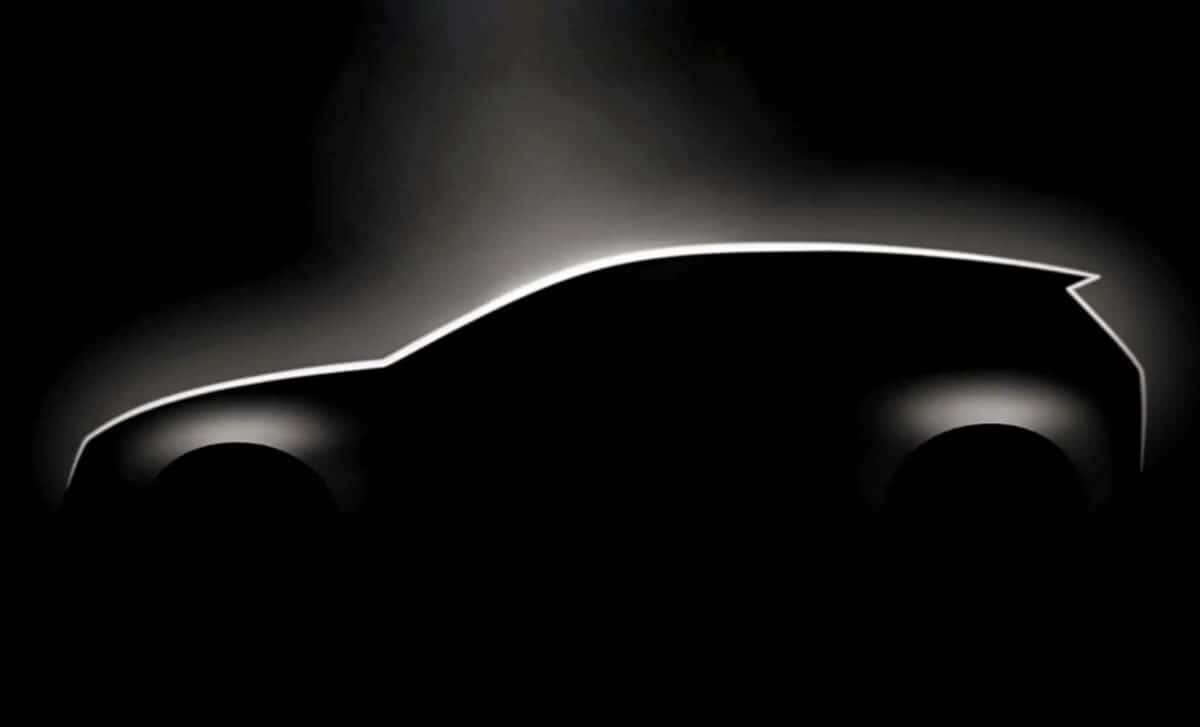
The Golf remains Germany’s best-selling car, which explains why even a minimal preview from Volkswagen attracts considerable attention. The silhouette shown internally at the meeting provides only limited detail, but it confirms that the next iteration will maintain visual continuity with earlier generations.
Beyond styling, the preview reflects broader changes within Volkswagen’s strategy. The brand appears to be shifting away from sharply separating electric and combustion vehicles in terms of design and identity, moving instead toward a more unified approach across both powertrains.
A Familiar Design Language for the Next Golf
Even in silhouette form, the Golf 9 appears to follow the visual lineage established by the current Golf 8 and the earlier Golf 7. The overall proportions and recognizable hatchback shape remain consistent with Volkswagen’s long-standing design approach for the model.
According to Motor1, Volkswagen design chief Andreas Mindt is applying a philosophy similar to the one already seen on the Polo. Rather than reinventing the model’s appearance, the goal is to maintain familiar styling cues that drivers can immediately recognize.
This continuity reflects the importance of the Golf brand itself. With decades of market presence and strong recognition, Volkswagen appears determined to evolve the design carefully rather than introduce dramatic changes that could distance the new generation from its predecessors.
Production Plans Shift as Combustion Models Continue
The development of the Golf 9 also coincides with adjustments to Volkswagen’s global production strategy. The internal-combustion version of the Golf is expected to be produced in Mexico beginning in 2027.
A similar production move has already occurred with the Polo, whose gasoline version is now manufactured in South Africa. These changes illustrate how Volkswagen is reorganizing manufacturing locations as it balances traditional engines with new electric platforms.
The company has also signaled that the combustion-powered Golf may remain in production for an extended period. That scenario could involve a more substantial facelift arriving around the time the electric ID. Golf reaches the market.
Volkswagen Moves Away from a Dual Design Strategy
For several years, Volkswagen pursued a clear separation between electric and combustion vehicles. The ID.3, for example, introduced a distinct design and identity compared with the traditional Golf lineup.
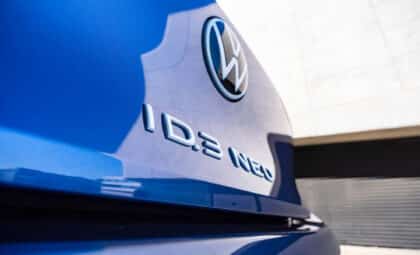
That approach now appears to be evolving. The future ID. Golf is expected to look far closer to the conventional Golf than earlier electric models did. The ID.3 itself will not be replaced until at least 2028, when the ID. Golf is expected to take its place.
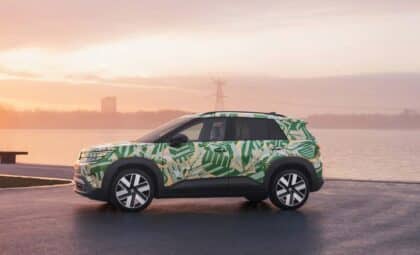
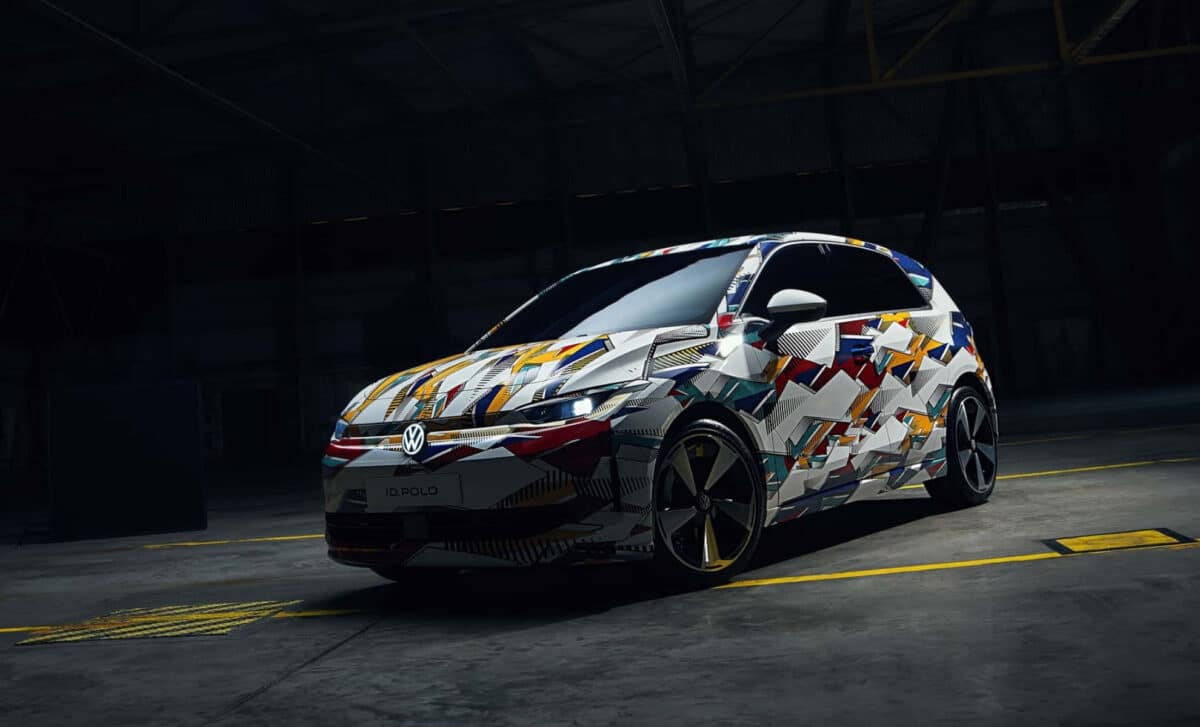
A similar direction is already visible with the Polo family. The final version of the ID. Polo is scheduled to debut in late April 2026, and prototypes indicate a design that remains close to the current gasoline-powered Polo. Traditional elements such as the wide C-pillars are being retained to maintain familiar visual reference points.
The interior is also expected to reflect a shift in Volkswagen’s design philosophy. The company says future models will reintroduce physical buttons on the steering wheel and center console after years of heavy reliance on touchscreens.
One distinctive feature under consideration is a selectable retro display mode for digital gauges and infotainment screens inspired by the original Golf Mk1. This retro interface could also appear in the ID. Golf.
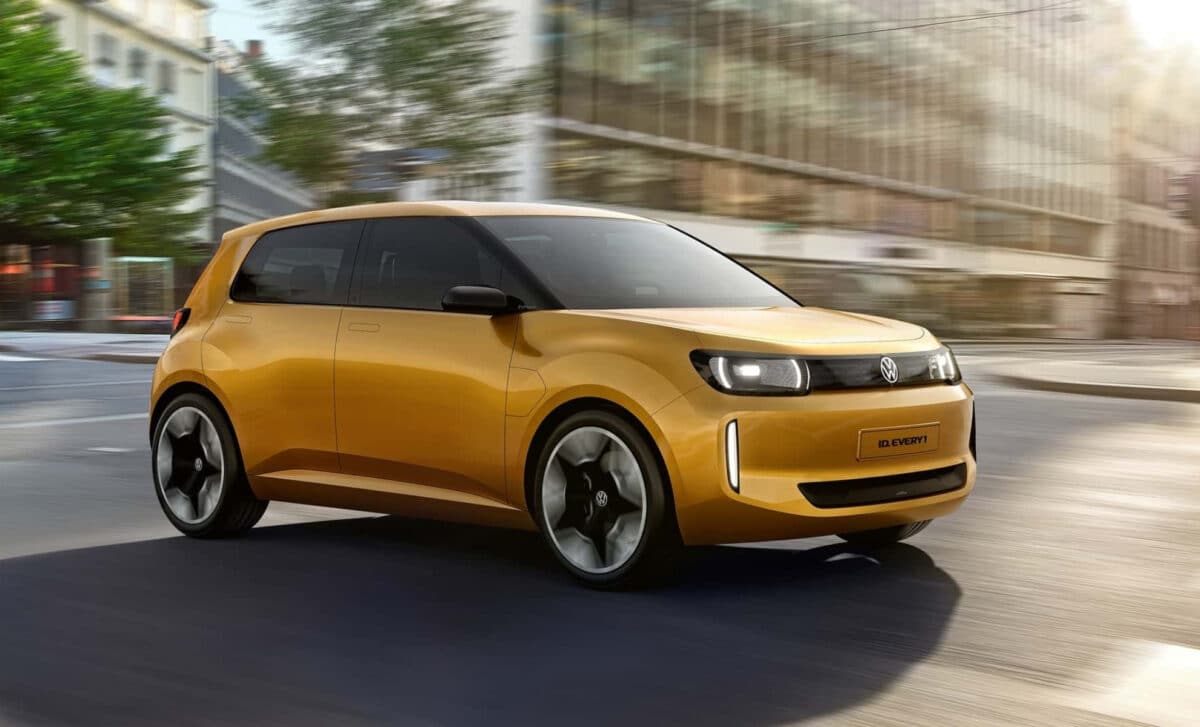
Before that model arrives, Volkswagen plans to introduce another electric vehicle. The production version of the small ID. Every1 is scheduled for 2027 and could potentially be marketed as the ID. Up.