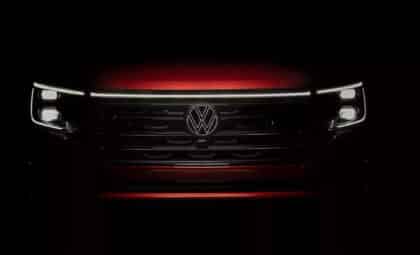

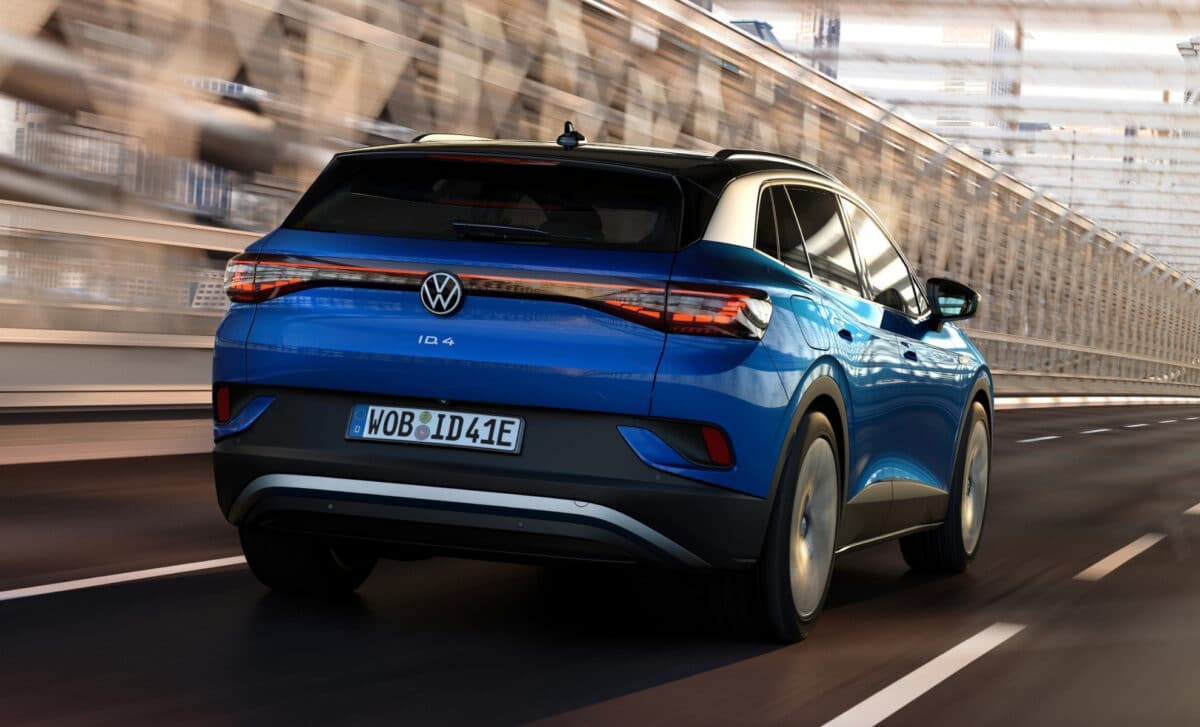
The move affects Volkswagen’s Chattanooga, Tennessee, plant, where the ID.4 has been assembled for the U.S. market. Production capacity will be redirected to the next-generation Atlas, a three-row SUV that has consistently outperformed the electric model in sales.
While the ID.4 nameplate is not being retired, the current version is reaching the end of its production cycle in the U.S. Buyers will still find 2026 models on dealer lots through the end of the year, even as the company reassesses its electric strategy.
Production Ends in Chattanooga as Atlas Takes Priority
Volkswagen confirmed it will cease assembly of the ID.4 at its Chattanooga facility starting mid-April 2026, citing the need to focus on higher-demand models. According to Motor1, the production shift is intended to make room for the 2027 Atlas, which was recently introduced at the New York Auto Show.
The Atlas has been Volkswagen’s second-best-selling model over the past three years. In 2025 alone, the automaker sold more than 71,000 units of the SUV, a figure that significantly exceeds ID.4 sales over the same period.
Volkswagen stated that “the EV market continues to challenge the industry,” highlighting the need for “measured decisions” in response to shifting demand. The company added that discontinuing ID.4 production in Chattanooga aligns with its focus on vehicles that better match current market conditions.
ID.4 Sales Lag Despite Year-over-Year Growth
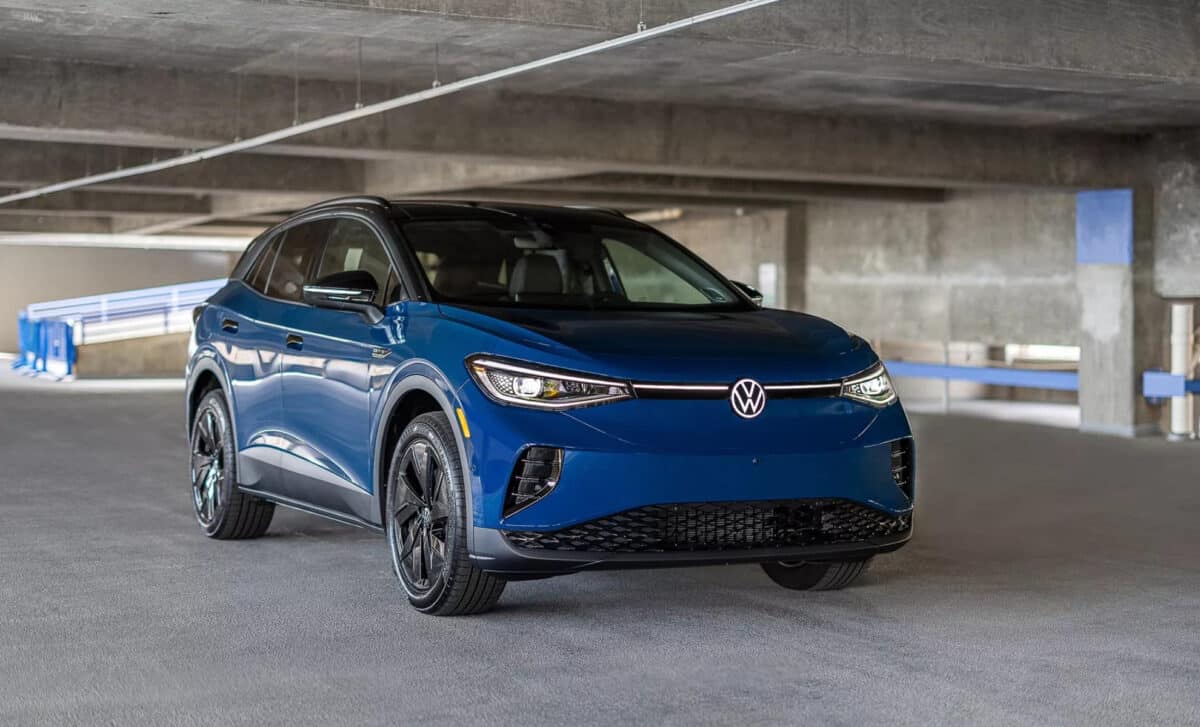
The ID.4 has struggled to gain strong traction in the U.S. market, even as sales showed some improvement. Volkswagen sold just over 22,000 units of the electric SUV in 2025, representing a 31 percent increase compared to 2024.
Despite that growth, the model remains a relatively small contributor to the brand’s overall volume. The gap between ID.4 and Atlas sales underscores the continued dominance of traditional SUVs in the American market, where demand for electric vehicles remains uneven.
Volkswagen acknowledged these challenges directly, pointing to ongoing uncertainty in the EV sector as a key factor behind its production decision.
Workers Retained Under Union Agreement
The production halt does not translate into job losses at the Chattanooga plant. According to statements, approximately 3,200 employees will retain their positions under the terms of a recently ratified agreement with the United Auto Workers (UAW).
Kevin Gotinsky, director of the UAW’s transitional department, emphasized the importance of job protections in the contract. He noted that all workers will remain employed while Volkswagen determines its next production steps, adding that the agreement ensures stability during the transition.
The union framed the outcome as a direct result of negotiated safeguards, highlighting the role of collective bargaining in securing employment continuity despite shifting manufacturing priorities.
A Future ID.4 Remains in the Pipeline
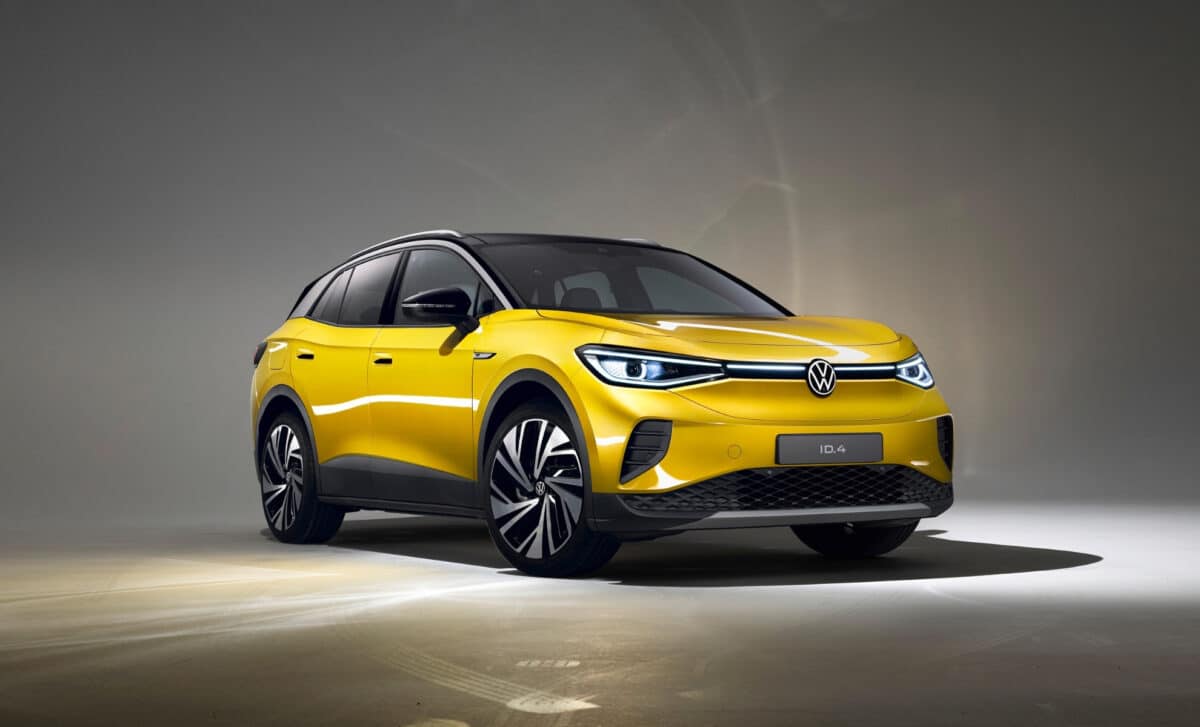
Volkswagen has indicated that the ID.4 will return in a revised form for the North American market, though specific details remain limited. The company stated that “a future version of ID.4 is currently planned,” signaling continued commitment to the model despite the current stop in production.
There had been speculation about a possible name change, with reports suggesting the next iteration could adopt the “ID. Tiguan” branding. Volkswagen CEO Thomas Schäfer previously mentioned a move toward more familiar naming conventions, though recent statements suggest the ID.4 name may persist.
The upcoming model is expected to use the updated MEB+ platform, which should improve efficiency and performance compared to the current architecture. The design is also likely to remain close to the existing model, with incremental updates rather than a complete overhaul.
Inside the cabin, Volkswagen is expected to reintroduce more physical controls, reflecting a broader shift in its interior design approach.