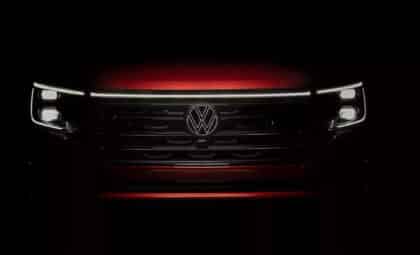
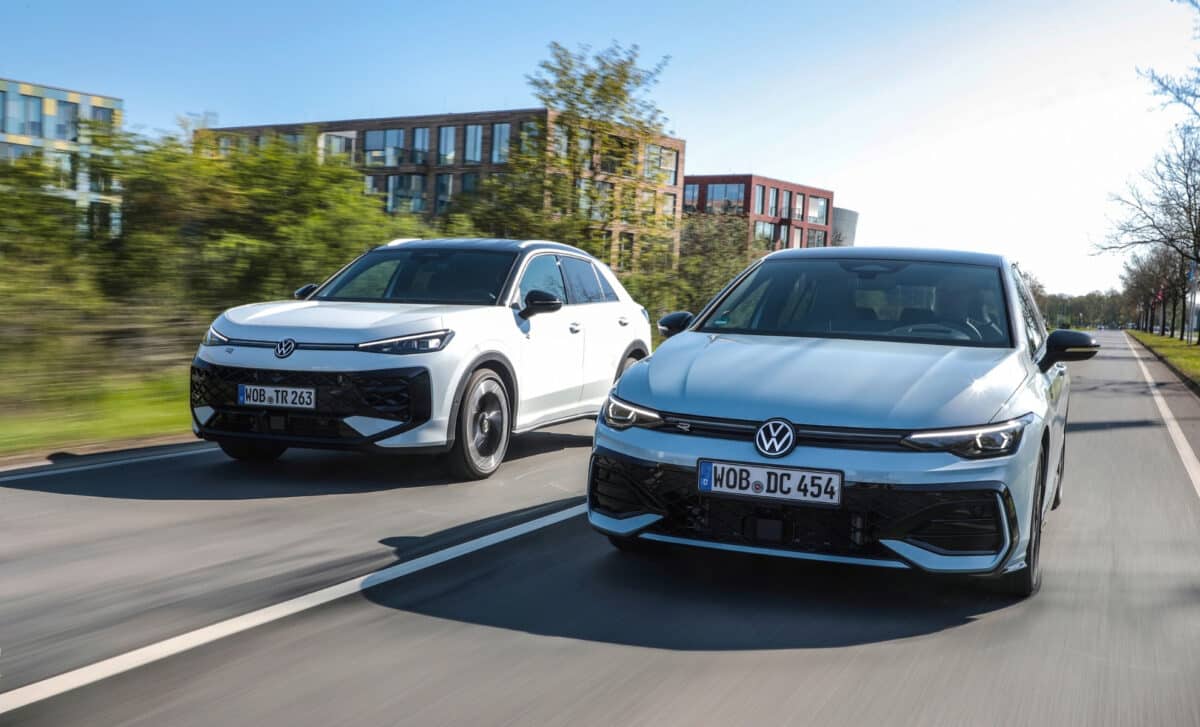
This approach reflects a pragmatic shift as hybrid vehicles gain dominance in several major markets, where non-plug-in hybrids now account for a significant share of new car sales. The move also highlights how late Volkswagen is entering a segment long led by Japanese manufacturers.
The emergence of full hybrid systems dates back to the late 1990s, driven primarily by Japanese brands. These technologies took time to establish themselves, but they now dominate in several markets, where non-plug-in hybrids have overtaken other electrification strategies apart from mild hybrid systems.
European manufacturers, however, have not moved at the same pace. Renault, for instance, developed its own full hybrid solution internally, while Volkswagen only unveils its system in 2026, years after its competitors.
A Hybrid System Built From Existing Components
Volkswagen did not start from scratch to create its hybrid powertrain. According to Automobile Magazine, the company chose to reuse elements from its existing engine lineup while integrating new components where necessary. The 1.5 TSI four-cylinder engine remains at the core of the system, paired with a newly added hybrid module positioned alongside it under the hood.
To accommodate the high-voltage battery, Volkswagen followed a layout similar to other manufacturers by placing a 1.6 kWh liquid-cooled unit under the rear bench seat, alongside the 12V battery. This packaging strategy avoids major structural changes while enabling electrification.
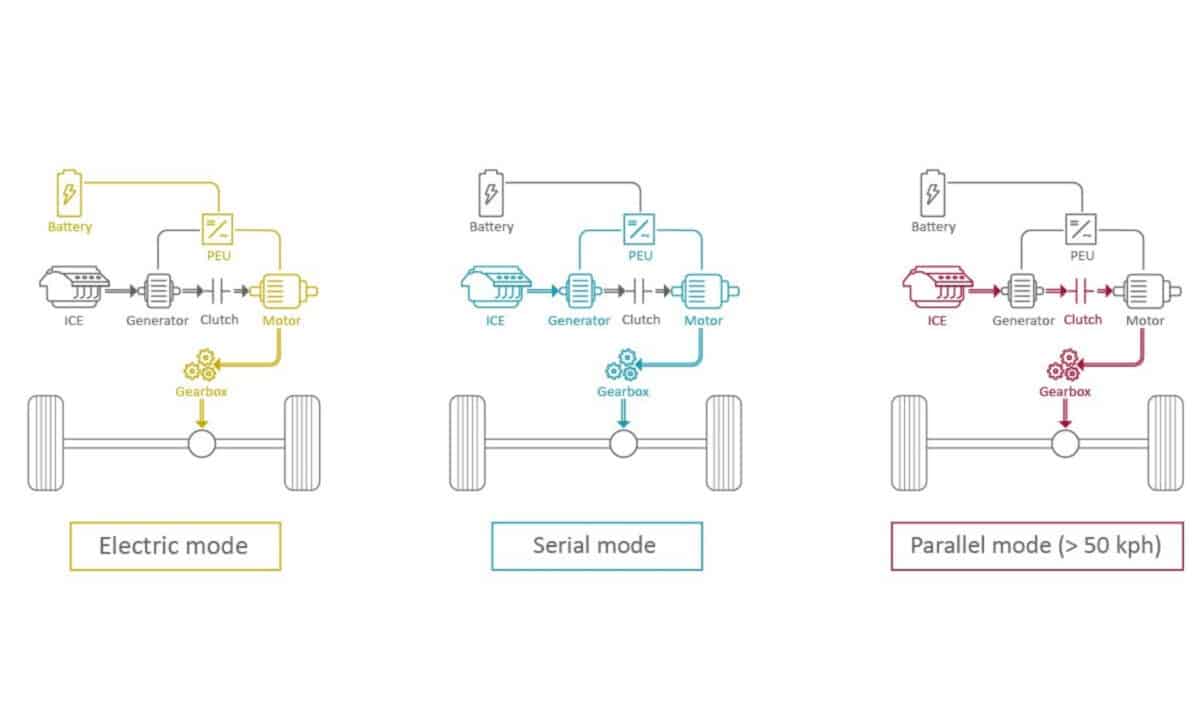
The hybrid system itself is described as a compact unit integrating electric motors and a single gear ratio, eliminating the need for a conventional gearbox. The transmission engages via a clutch at certain speeds, a principle also seen in Honda’s hybrid systems.
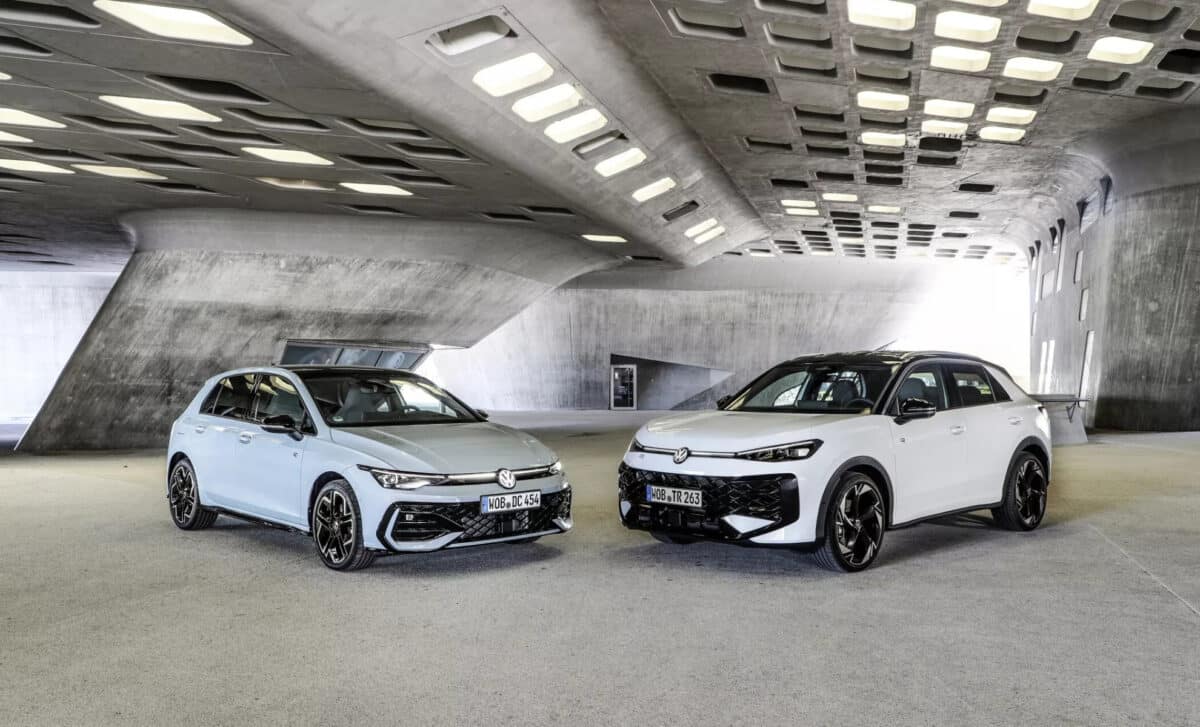
Schaeffler’s Multi-Mode Hybrid Module at the Core
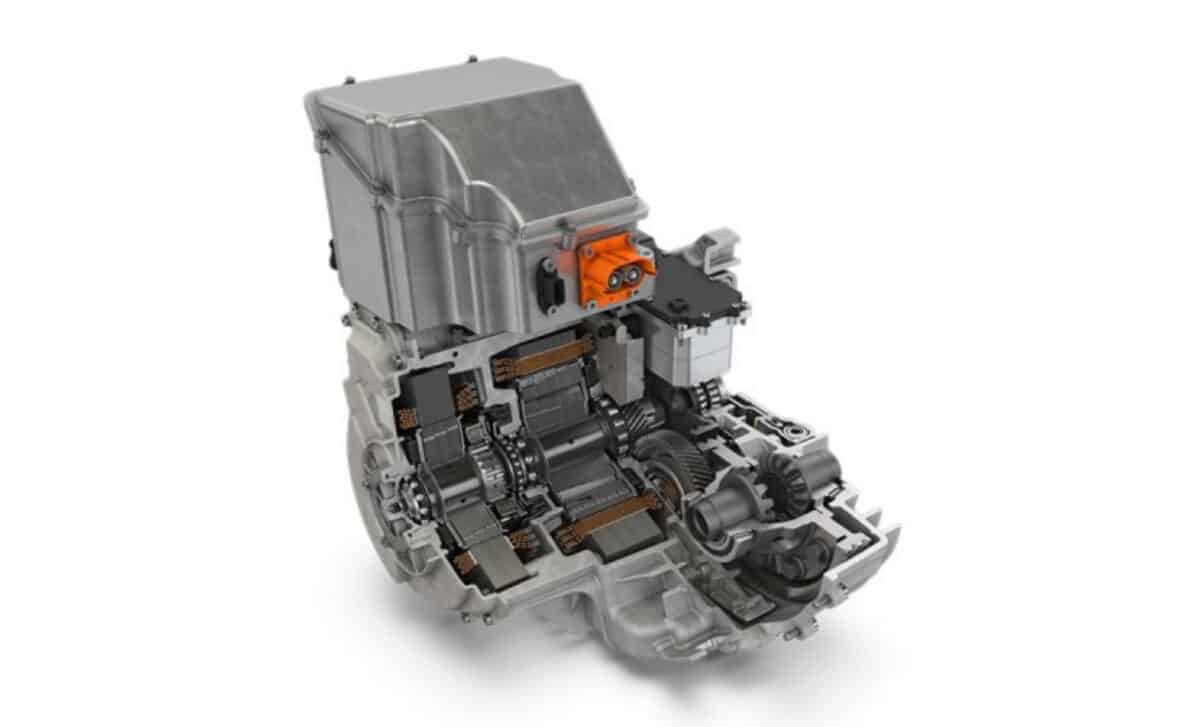
The hybridization of Volkswagen’s engine appears closely linked to technology developed by the German supplier Schaeffler. Shortly after Volkswagen revealed its system, Schaeffler presented details of its Multi Mode Hybrid (MMH) transmission, designed specifically to convert combustion engines into hybrid setups.
This module is likely the key component enabling Volkswagen’s transition. The MMH combines two electric motors within a compact unit: one connected to the crankshaft acting as a starter-generator, and another driving the wheels. The latter is an asynchronous motor, which reduces drag when inactive, such as when the combustion engine alone powers the vehicle.
The module is available in three power levels, with Volkswagen selecting the mid-range version delivering 250 Nm of torque and up to 110 kW. Despite its compact design, the unit weighs 125 kg and is mounted on the front axle, adding to the overall mass when combined with the battery and power electronics. Schaeffler claims this system can reduce fuel consumption by up to 16 percent compared to a conventional combustion vehicle.
A Focus on Simplicity and Reliability
Hybrid systems are often associated with technical complexity, as illustrated by Renault’s clutch-based transmission, which has raised reliability concerns. Schaeffler, however, has emphasized simplicity in its MMH design to ensure broader compatibility and durability.
The module contains 11 bearings, two electric motors, a set of gears, and a single oil pump serving the entire system. This streamlined architecture is intended to limit additional failure points while remaining adaptable to transverse engine layouts used by many manufacturers.
While the design appears straightforward on paper, real-world reliability remains to be proven. The long-term performance of this hybrid setup will only become clear as more vehicles accumulate mileage in everyday conditions.