
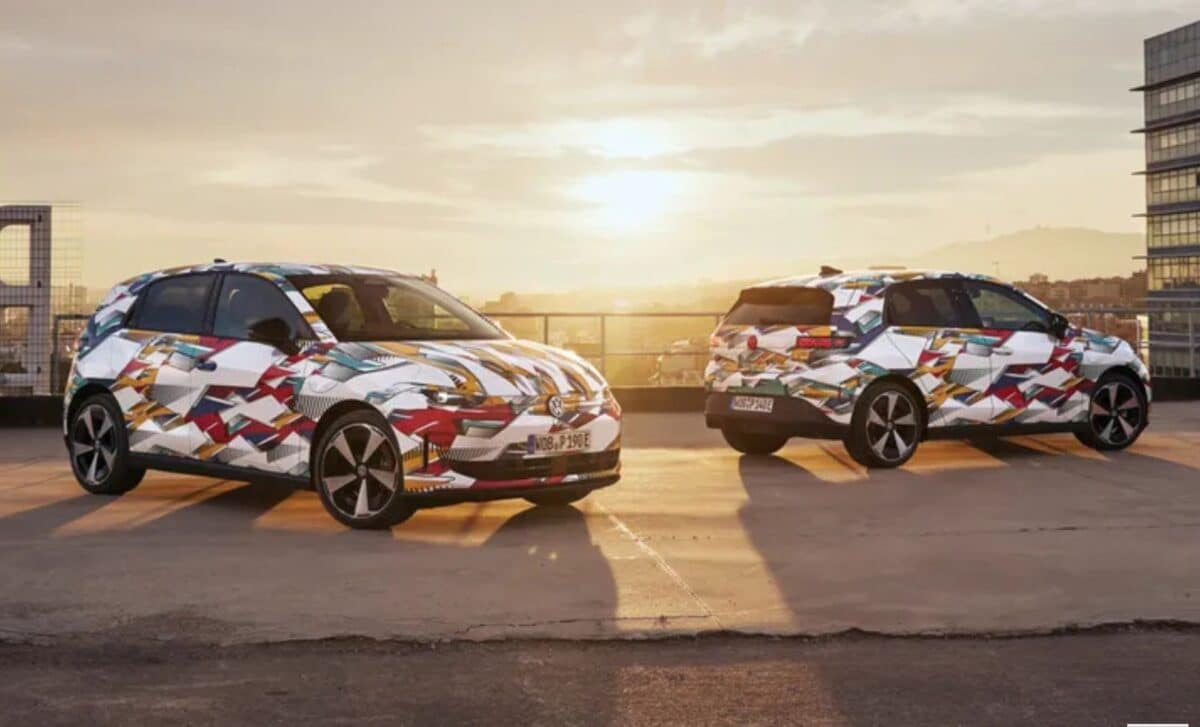
The ID Polo, unveiled during the 2026 Car Design Event in Germany, serves as a reference point for the brand’s future direction. While this electric city car is not planned for the U.S. market, it showcases design and usability choices that Volkswagen intends to deploy globally.
Beyond styling, the shift addresses criticism aimed at the current ID lineup, often described as overly reliant on touch controls and marked by hard interior surfaces. Volkswagen’s leadership now aims to create cabins that feel more intuitive and more welcoming to everyday drivers rather than early adopters.
Physical Controls Return To The Center Of The Driving Experience
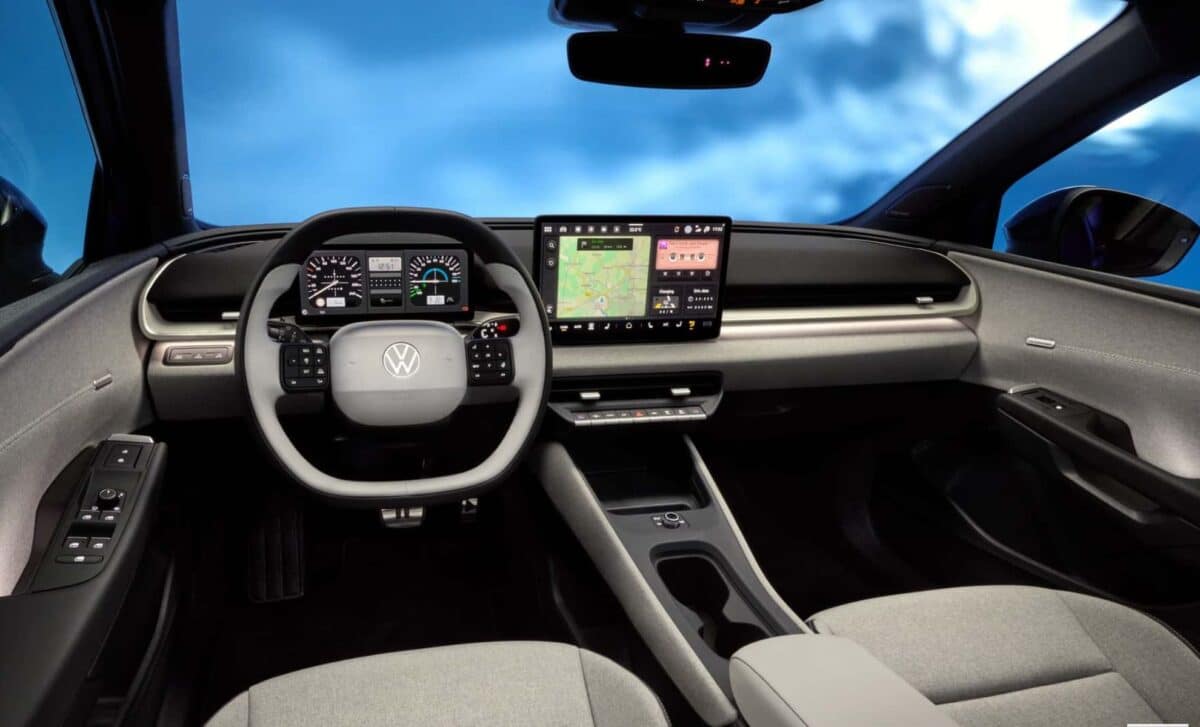
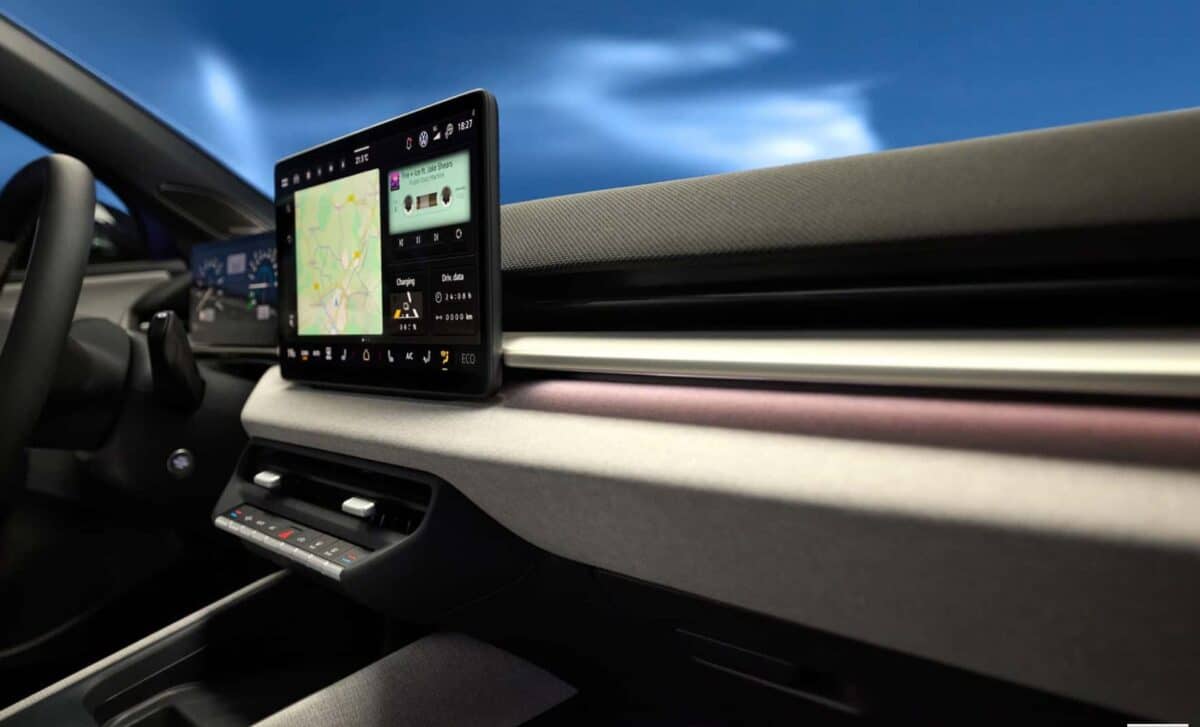
Volkswagen is reintroducing physical buttons for core functions such as audio volume, climate temperature, fan speed, and hazard lights. Steering wheels will also feature traditional buttons instead of touch-sensitive pads, particularly for features like cruise control.
“It’s not a phone; it’s a car,” design chief Andreas Mindt said, emphasizing the rationale behind the move. According to MotorTrend, screens will remain present but will be supported by improved software and clearer graphics to make functions easier to access.
The interface has been simplified as well. The central touchscreen now uses a more straightforward layout with configurable shortcuts, while the digital instrument cluster is larger and easier to read. Physical switches on the steering wheel allow drivers to toggle display elements on either side of the screen. According to Volkswagen’s head of user interface design, Andro Kleen, many submenus have been removed to make the system “much more focused and way easier to use.”
A Move Toward Softer Materials And Warmer Interiors
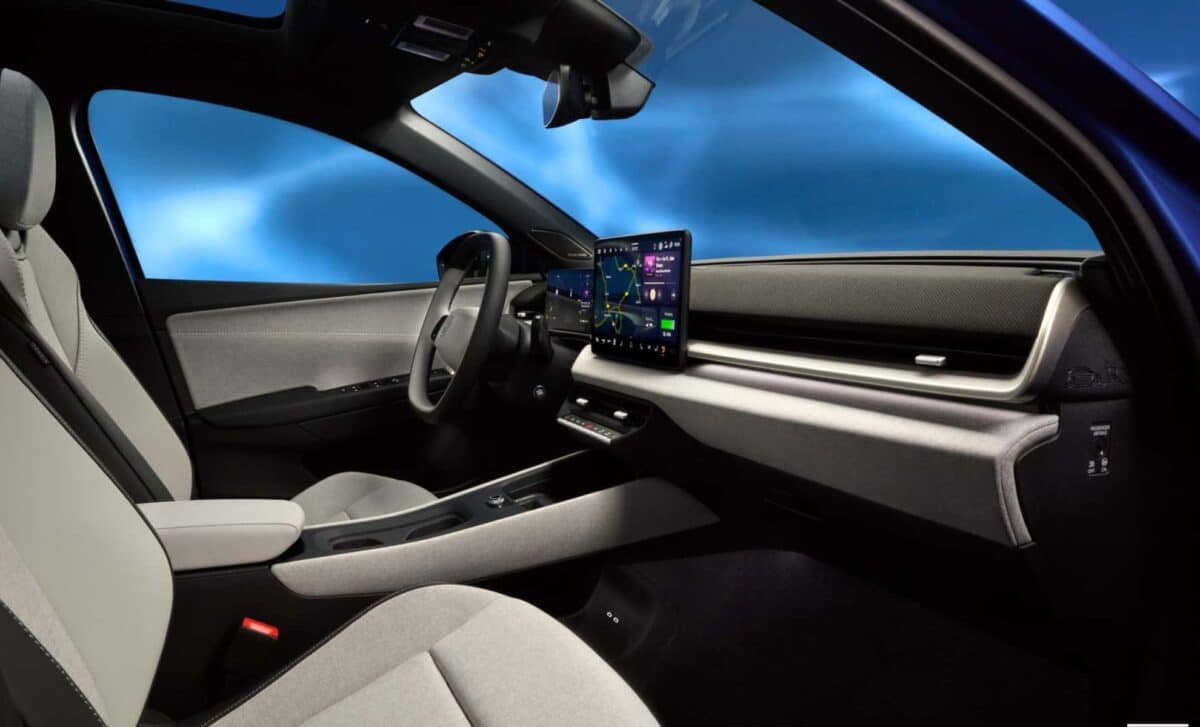
Volkswagen is also overhauling the tactile quality of its interiors. Hard plastics, which characterized parts of the current ID range, are being replaced with softer surfaces and textile elements.
“All these cheap plastic elements, they’re gone,” Mindt said. The new interiors prioritize what occupants directly see and touch, with soft trim applied to primary contact areas.
TheID Polo will offer three interior trims, including two “Style” variants with distinct color schemes, one darker, one lighter. Color and materials designer Philine Seydell indicated that the use of textiles and soft textures seen in the ID Polo will extend across the next generation of Volkswagen vehicles.
Senior interior designer Jeremy Bras added that the goal is to create cabins that feel “more friendly, more positive,” marking a shift away from the stark aesthetic of earlier electric models.
The ID Polo Embodies Volkswagen’s Push Toward Mainstream EV Adoption
The ID Polo is designed to make electric vehicles feel familiar rather than experimental. Its layout follows a traditional formula, with a single motor mounted at the front driving the front wheels, mirroring the configuration used in gasoline-powered Polos since 1975.
The vehicle also introduces lighter, more playful elements, including a retro display mode that mimics the analog dashboard of the original Golf and even features a digital cassette animation on the central screen.
For Mindt, the broader objective is clear, electric vehicles should now appeal to a wide audience. “Five years ago, the electric car was a car for pioneers, for early adopters,” he said. “We are not in the early adopter business anymore. This is for average people.”