
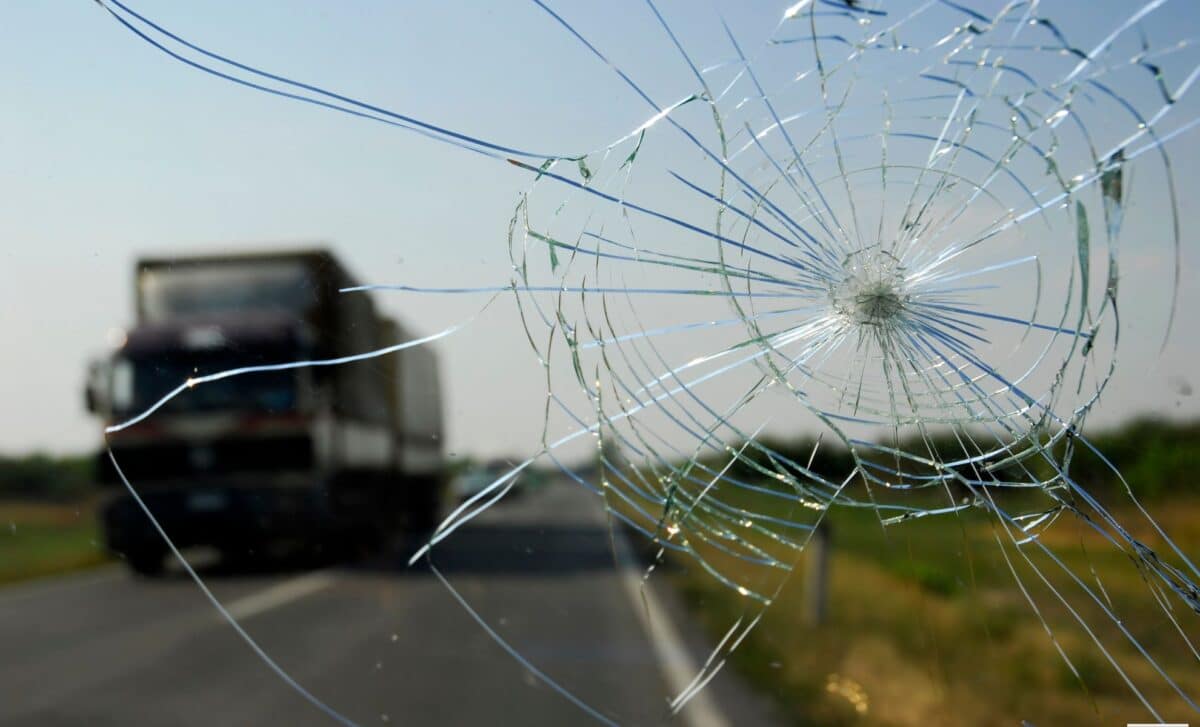
A small chip or crack may not seem urgent, but windshield damage often spreads. In some states, driving with a cracked windshield that blocks or impairs forward vision is illegal, which makes the issue more than cosmetic.
Still, insurance coverage is not automatic. Whether a windshield replacement is paid for depends on what caused the damage, what type of policy the driver carries, and whether the deductible makes the claim worth filing.
Coverage Depends On The Policy, Not Just The Damage
The most common reason insurance does not pay for a cracked windshield is that the driver does not have the right coverage. Liability-only insurance, a common minimum coverage required by law, generally does not pay to repair the policyholder’s own vehicle.
According to Jalopnik, that includes windshield damage. Glass claims usually fall under comprehensive coverage, collision coverage, or a separate glass coverage option when one is available.
Comprehensive coverage may apply when the damage comes from rocks, storms, or vandalism. Collision coverage may apply in other accident-related situations. Without those coverages, the driver is typically responsible for the full cost of the repair or replacement.
Some insurers also offer windshield-specific coverage. In certain cases, that type of add-on can help drivers avoid paying a deductible for glass replacement.

A Deductible Can Make The Claim Pointless
Even when a driver carries comprehensive or collision coverage, insurance may not provide much help if the deductible is higher than the replacement cost. Most policies only pay the amount above the deductible.
For example, if the deductible is $300 and the windshield repair costs $400, the driver pays $300 and the insurer covers the remaining $100. In that situation, filing the claim may offer only limited financial relief.
This is one reason drivers are advised to review the fine print before signing a new policy. Insurance companies sell many types of policies, and the details can be difficult to understand, especially when the issue involves a specific repair such as windshield replacement.
Checking the deductible before filing a claim is also recommended. A driver may have coverage on paper, but the actual payout can be too small to make the process worthwhile.
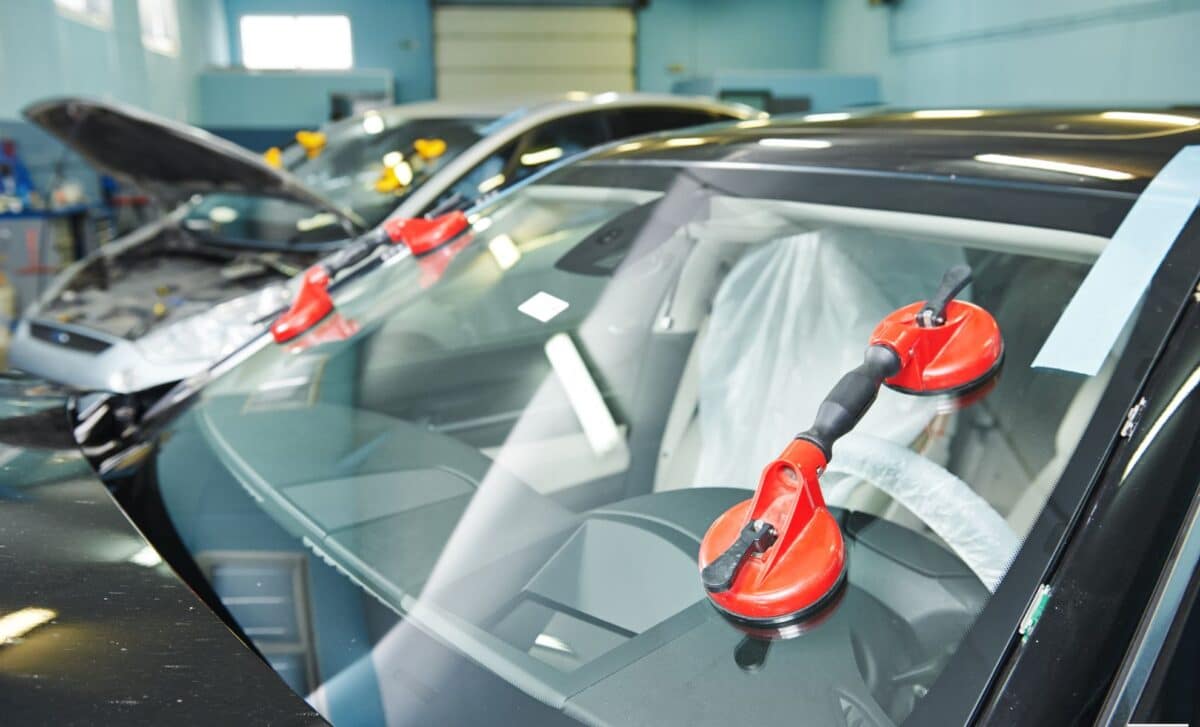
Pre-existing And Cosmetic Damage May Be Rejected
Insurance may also deny a windshield replacement when the damage existed before coverage applied. If a vehicle was already cracked when it was purchased, many insurers will not treat that damage as a covered loss.
Cosmetic issues are another common reason for rejection. Scratches, pitting, or peeling tint generally do not qualify for insurance-covered replacement if the work is considered voluntary.
Before filing a claim, drivers should check both the deductible and whether their insurer offers separate glass coverage as an add-on. That step can clarify whether replacement is covered, partly covered, or not covered at all.
Trying to replace a windshield without insurance is possible, but it is an intense do-it-yourself job that could leave broken glass everywhere. For many drivers, the better first move is to understand exactly what their policy does, and does not, cover.