


Before reaching for your phone to file a claim, it’s worth understanding how different types of auto coverage treat broken glass, what your deductible means in real terms, and whether filing is even worth it in the first place.
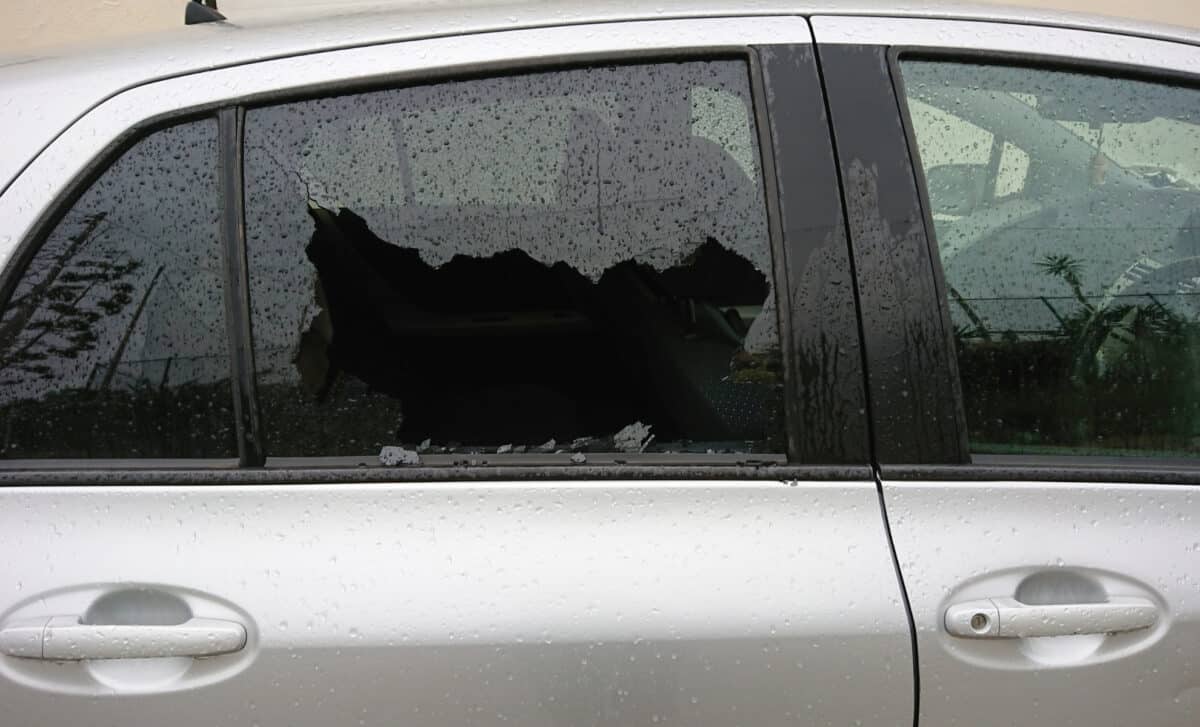
Damage to car windows can happen almost anywhere, from a rock chip on the highway to vandalism in a parking lot. According to the American Automobile Association, glass and windshield damage accounts for 30% of all car insurance claims in the United States. That makes it one of the most common issues for drivers, but also one of the most misunderstood.
The key detail is your type of coverage. While nearly all drivers are legally required to have liability insurance, that kind of policy doesn’t cover glass damage to your own vehicle. It only covers damage you cause to others. So, unless your insurance includes comprehensive or collision coverage, a broken window might not be covered at all.
How Different Insurance Policies Treat Broken Glass
There are three main types of car insurance: liability, collision, and comprehensive. Liability is the bare minimum required by law in almost every U.S. state except New Hampshire. It only covers damage to other people or property if you’re at fault. It doesn’t pay for any damage to your own car, windows included.
Collision coverage protects you from damage to your vehicle in the event of an accident, regardless of who’s responsible. But that protection only applies in crash-related situations. So if your car is vandalized or damaged by hail, collision won’t cover it.
That’s where comprehensive insurance comes in. Comprehensive policies cover damage from incidents like theft, falling debris, road hazards, and weather events, including broken windows. But even with the right type of insurance, your payout depends on your deductible, which is the amount you pay out of pocket before your insurer covers the rest.
When a Claim Makes Sense and When It Doesn’t
Comprehensive and collision coverage both come with deductibles, which can significantly impact whether a claim is worth filing. As reported by WalletHub, the average deductible for auto insurance in the U.S. is around $500. If your window repair costs less than, or just slightly more than, that amount, you could end up with higher premiums and very little payout.
Every time you file a claim, your insurer takes note. More claims can signal that you’re a higher-risk customer, which might cause your monthly rate to rise. This doesn’t happen in every case, but it’s a factor worth considering. For example, if your window damage totals $550, you might only receive $50 from your insurance after paying your deductible, while also risking a rate hike.
In some states, though, you won’t have to pay a deductible for glass damage. Florida, Kentucky, and South Carolina all require insurers to offer zero-deductible glass repair under comprehensive policies. That means if you have comprehensive coverage in those states, the repair could cost you nothing. Meanwhile, in states like Arizona, Massachusetts, Minnesota, New York, and Connecticut, insurers are required to offer zero-deductible glass coverage, but it isn’t included by default.
State Laws and Rising Insurance Costs
Geography plays a big role in how your glass claim is handled, and so does timing. Rising insurance costs are pushing some drivers to drop full coverage altogether, leaving them exposed to risks they may not be aware of. If you’re only carrying liability, any damage to your own vehicle, including shattered windows, will have to come out of your pocket.
Understanding the limits of your coverage is more important than ever, especially as deductibles rise and insurers get stricter about claims. Glass coverage rules can vary sharply from state to state, so it’s worth reading the fine print on your policy or calling your provider before making a claim.