

This marks a significant increase from the previous 150,000 km limit and positions byd among the frontrunners in EV battery support. The company’s announcement not only boosts its appeal to long-distance drivers and fleet operators, but also reflects a broader strategic push to deepen consumer confidence in new energy vehicles.
Founded in 1994 as a rechargeable battery manufacturer, BYD has since evolved into a global force in electric mobility, with operations spanning six continents and more than 400 cities. Its Blade Battery, built on lithium iron phosphate (LFP) chemistry, has become a hallmark of the brand. The latest warranty expansion sends a clear message: BYD is doubling down on durability and transparency at a time when battery longevity remains a central concern for EV adoption in Europe.
Coverage Applies to Existing Vehicles and All New Energy Models
The newly expanded warranty applies to all of BYD’s New Energy Vehicles, including both fully electric models and the company’s line of Super Hybrids. It extends the coverage from the previous 150,000 km limit to 250,000 km while maintaining the existing eight-year duration.
This change is effective immediately and includes vehicles that are already in use. According to BYD’s official release, current owners within the European Economic Area, the United Kingdom, and Switzerland will receive the extended protection automatically, without needing to take any action. However, the policy does not cover the BYD ETP3 and excludes vehicles under special fleet or mobility service agreements.
As stated by the company, the Blade Battery’s warranty includes a guaranteed minimum State of Health (SOH) of 70% over the coverage period. This offer reflects the company’s confidence in the battery’s resilience and aims to “further strengthen user confidence in New Energy Vehicles.”
Battery Safety Backed by Extensive Testing and Design
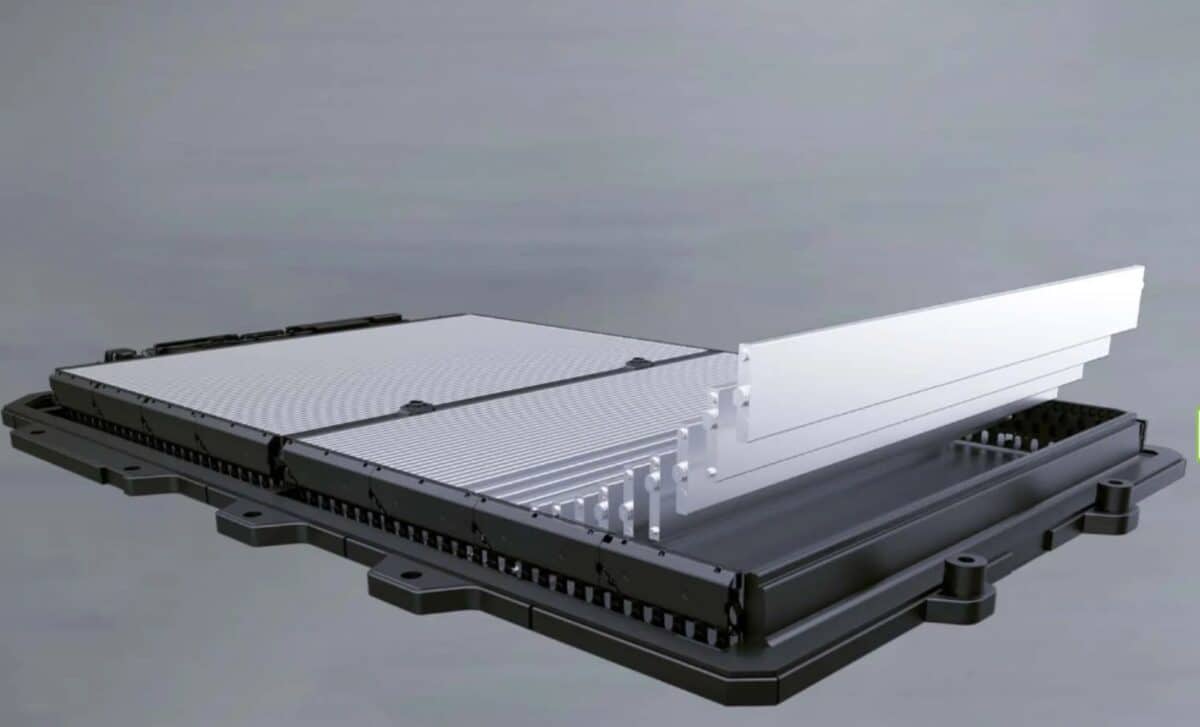
At the center of BYD’s strategy lies the Blade Battery, a proprietary technology designed to outperform conventional lithium-ion packs in both safety and efficiency. It uses lithium iron phosphate cells that eliminate the need for nickel and cobalt, offering what the company describes as a more environmentally conscious and sustainable approach.
BYD has conducted rigorous tests on the battery, pushing it through over 3,000 charging cycles, equivalent to 1.2 million kilometers. In extreme safety tests, such as the nail penetration test, the battery reportedly maintained surface temperatures below 60°C, significantly lower than conventional cells. It also endured overcharge conditions up to 260%, oven tests at over 300°C, saltwater immersion, drop testing, and crushing, all while meeting or exceeding global safety standards.
The battery’s structural innovation also contributes to the vehicle’s rigidity. Its blade-like cells act as transverse supports within the chassis, reducing deformation during impacts and allowing for better interior space utilization. The Blade Battery reduces occupied volume by 50% compared to traditional packs.
Practical Gains in Charging Speed and Driving Range
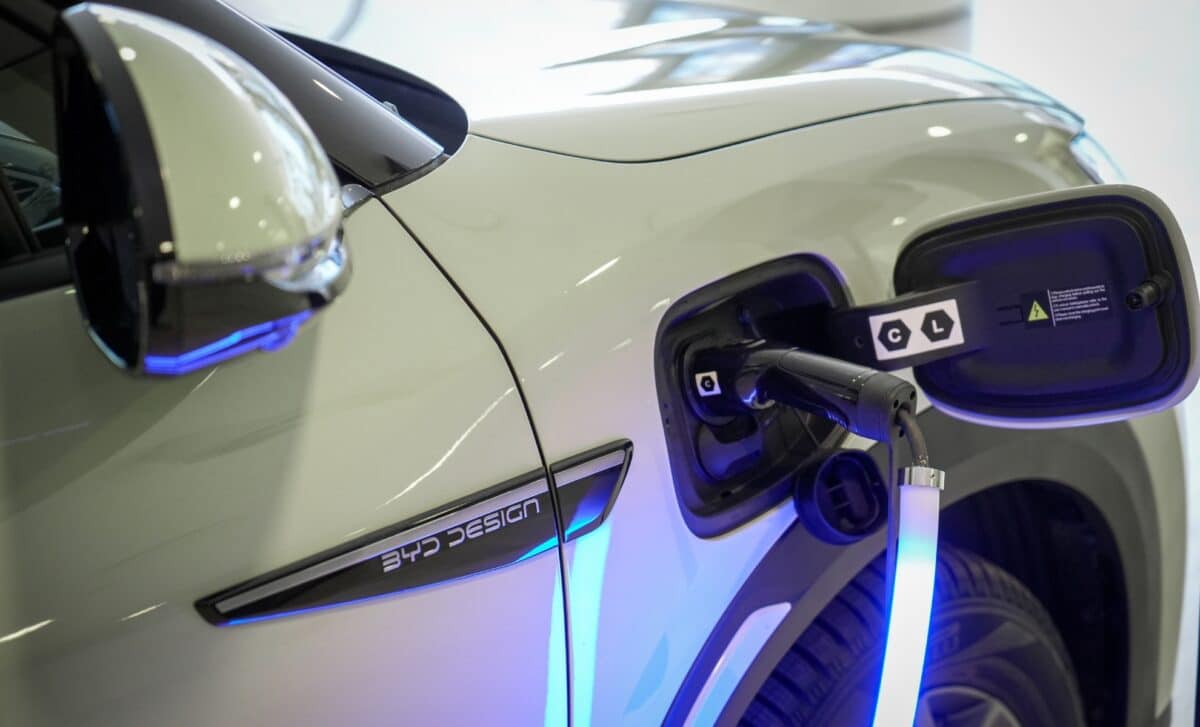
Beyond safety, the Blade Battery offers strong real-world advantages in terms of vehicle range and charging performance. For instance, the BYD SEAL achieves up to 570 km of combined-cycle range, while the Sealion 7 Excellence AWD supports DC charging at 230 kW, enabling a 30% to 80% charge in just 18 minutes.
These specifications are aimed squarely at addressing two of the most pressing concerns among EV consumers: how far they can travel and how quickly they can recharge. BYD’s technology choices intentionally avoid chasing energy density records in favor of consistent, real-world performance and safety.