While many competitors struggle with costly U-turns on their electric ambitions, Toyota’s long-standing commitment to prudence and versatility is paying off. Its refusal to bet everything on one technology, coupled with a strategy of local production and targeted product development, allows it to meet the needs of varied global markets without exposing itself to major setbacks.
This approach has helped Toyota remain competitive across all continents. The brand adapts its offerings with precision: affordable EVs tailored for China, hybrids built in the US, and sports models maintained for image and legacy. It’s a delicate balance between innovation and caution, but one that is proving effective.
Toyota Bets on China With Tailored Electrics
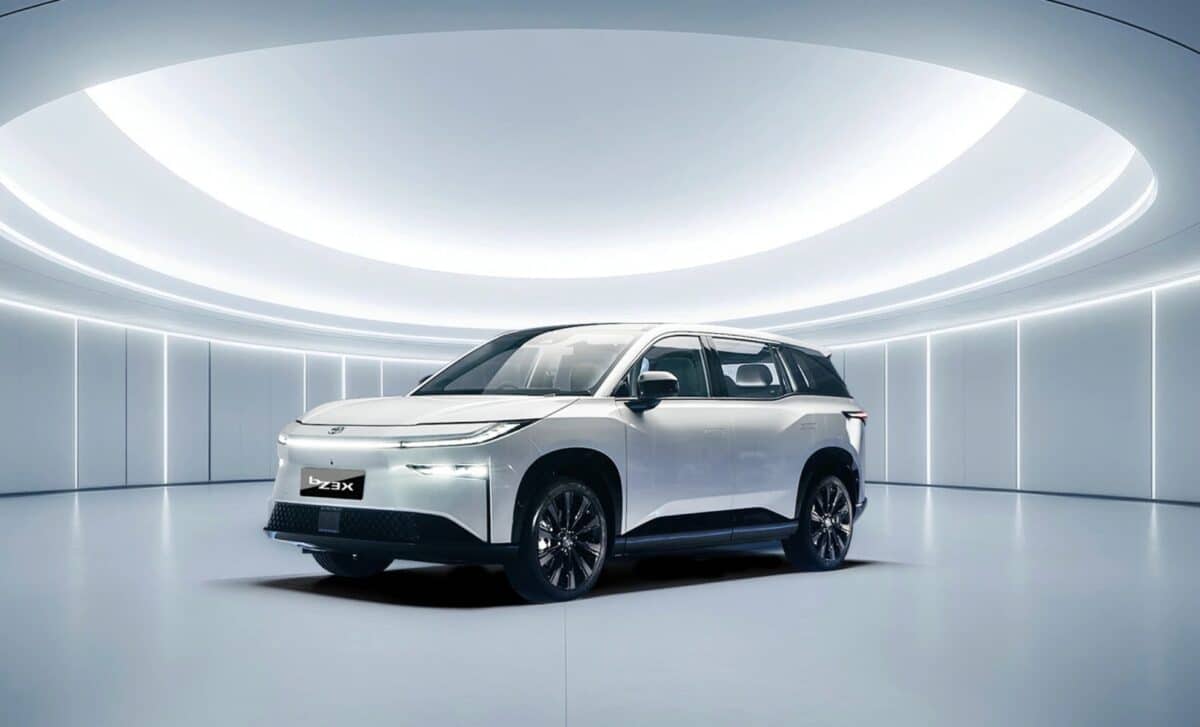
In China, Toyota is focusing its efforts on the fast-growing electric market. Instead of pushing global models into the country, the company is now designing vehicles specifically for local demand. A senior executive stated in Shanghai during the summer of 2025: “In China, we will concentrate not on cars for the global market, but on vehicles designed specifically for the Chinese market.” This shift reflects a broader trend among foreign brands attempting to survive in the face of intense pressure from local competitors.
To implement this strategy, Toyota relies on GAC (Guangzhou Automobile Group), its local partner. Together, they developed the bZ3X, an electric SUV equipped with LFP (lithium iron phosphate) batteries, known for being cost-effective. Priced at around $15,000, the model is positioned to compete directly with domestic rivals. The gamble appears to be working: more than 10,000 units were sold in November 2025 alone.
Other manufacturers have adopted similar approaches. Honda now develops dedicated vehicles for China, and Audi, through a parallel brand structure, is launching electric models and a separate dealership network for the region. The competition is fierce, but Toyota’s localized focus and affordable pricing have given it an edge.
Hybrids Gain Ground in the United States
In the United States, Toyota is not pushing full electrification. Instead, it continues to lead in hybrid models, a category that remains widely favored by American consumers. Sales data confirms this trend: demand for hybrids rose by 13% during the third quarter of 2025.
To support this growth, Toyota has built a new battery factory in North Carolina, which supplies power units to vehicles like the Camry, Corolla Cross, and RAV4. The facility is capable of equipping several hundred thousand vehicles each year, ensuring supply chain stability and lowering reliance on imports from Japan, imports that are currently burdened by high customs duties.
In addition to this infrastructure, Toyota has pledged $10 million in investment over five years to boost domestic production across five US plants. This move strengthens the brand’s foothold in the region and shields it from policy fluctuations and supply disruptions, particularly at a time when other automakers are revising their electrification strategies in the face of market slowdowns.
A Diversified Energy Portfolio Keeps Toyota Stable
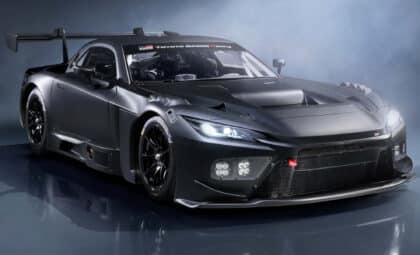
While rivals charge forward or backtrack on electric-only policies, Toyota continues to play the long game. It has chosen not to abandon thermal engines, hybrids, or even hydrogen technology, and continues to develop sports cars, which remain a key part of its public image.
This balanced approach is proving effective. While Toyota’s path may seem cautious, the costs of overcommitment are now becoming visible across the industry. Porsche suffered significantly after banking heavily on the electric Macan, a decision that nearly erased its profitability and led to the CEO’s resignation. Fiat, meanwhile, is struggling with massive unplanned expenses following its full-electric 500 project, putting additional strain on its financial base.
Toyota’s method is undeniably more expensive to manage, multiple technologies mean more development, more factories, and more planning. But this complexity appears to offer resilience. When competitors are forced into strategic reversals, Toyota’s flexibility allows it to stay the course without damaging pivots.