
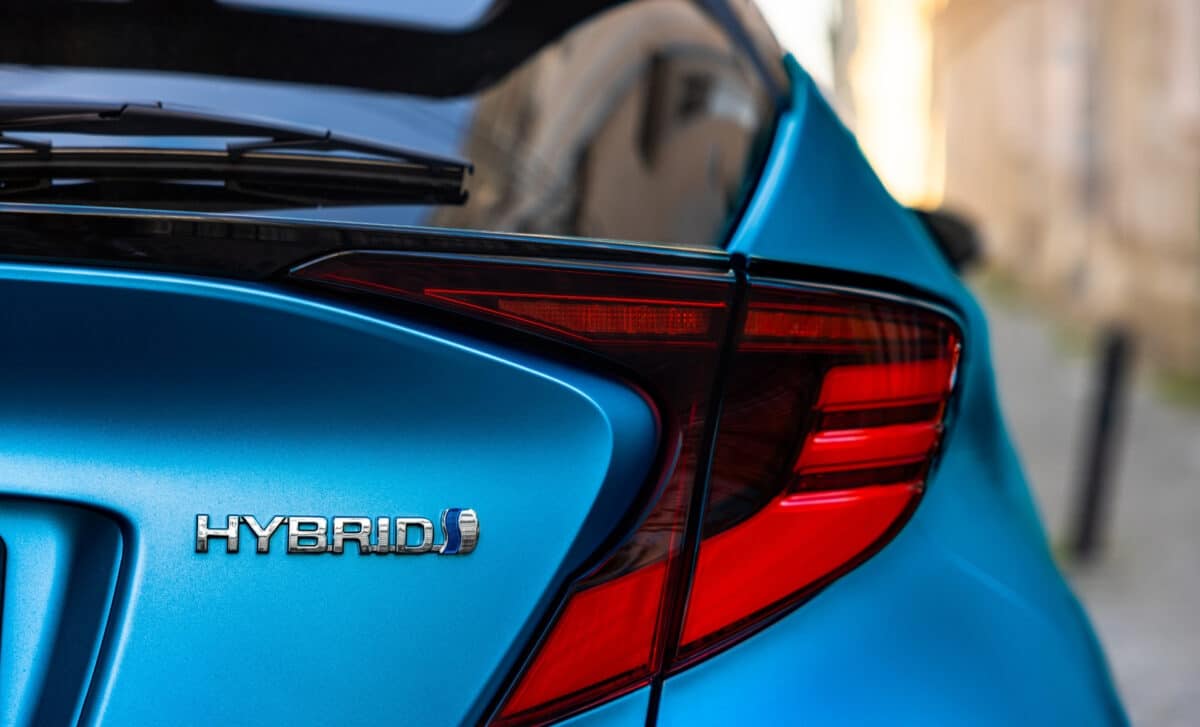
Toyota’s strategy is already reflecting this change. The company is increasingly releasing vehicles exclusively as hybrids, citing improvements in durability and user satisfaction. While some consumers remain hesitant due to perceived complexity and concerns over battery costs, firsthand observations and statistical findings are building a strong case in favor of hybrids.
The discussion isn’t just technical, it’s becoming central to how Toyota develops its vehicles moving forward. As the line between innovation and dependability narrows, hybrids are no longer the uncertain middle ground, they may be Toyota’s most trustworthy option.
Real-World Reliability From the Shop Floor
A YouTube mechanic known as The Car Care Nut, who claims extensive experience servicing Toyota vehicles, has observed a consistent pattern: modern hybrids are visiting his shop less often than gas-powered cars. According to him, the vehicles that tend to appear more frequently are those equipped with turbocharged engines and 8-speed automatic transmissions, setups used in models like the Highlander.
Hybrids, in contrast, tend to stay out of the shop unless they’ve been in an accident. The mechanic noted that many of these vehicles simply don’t present the same types of issues he sees with traditional powertrains. His verdict is clear: “They’ve simply become more reliable than non-hybrids.”
This trend marks a shift in what mechanics see on a daily basis. Despite the presence of more components, hybrids may now offer a cleaner, more trouble-free ownership experience, at least in Toyota’s case.
Lingering Doubts and Common Misconceptions
Despite growing confidence from professionals, some car buyers still hesitate when it comes to hybrid technology. Concerns typically center around the idea that hybrids are more complex, which might mean more things can go wrong. That perception has been hard to shake, especially among cost-conscious shoppers.
Battery replacement is often cited as the biggest worry, with estimated costs ranging between $2,000 and $8,000 depending on the model. But The Car Care Nut challenges these fears, arguing that modern hybrids like the Toyota RAV4 actually reduce maintenance needs. These systems don’t rely on parts like starters and alternators, which are common failure points in gas-powered vehicles.
Regenerative braking, which turns energy from deceleration into electric power, also extends the lifespan of braking components. Additionally, the mechanic points out that hybrid components have become more compact and easier to access, helping to keep labor costs in check during repairs.
Industry Data Backs up the Claims
According to Consumer Reports, hybrid vehicles experienced about 15 percent fewer problems than gas-only vehicles last year. While this figure doesn’t apply to plug-in hybrids, it supports the broader trend that standard hybrids, especially those from Toyota, may now be a smarter choice in terms of long-term reliability.
Toyota, which introduced the Prius in the U.S. back in 2000, has spent over 25 years refining its hybrid systems. That long-term development appears to be showing results in today’s vehicles. The YouTube mechanic echoed this point, stating, “Toyota is on the right track by moving everything to hybrid.”