

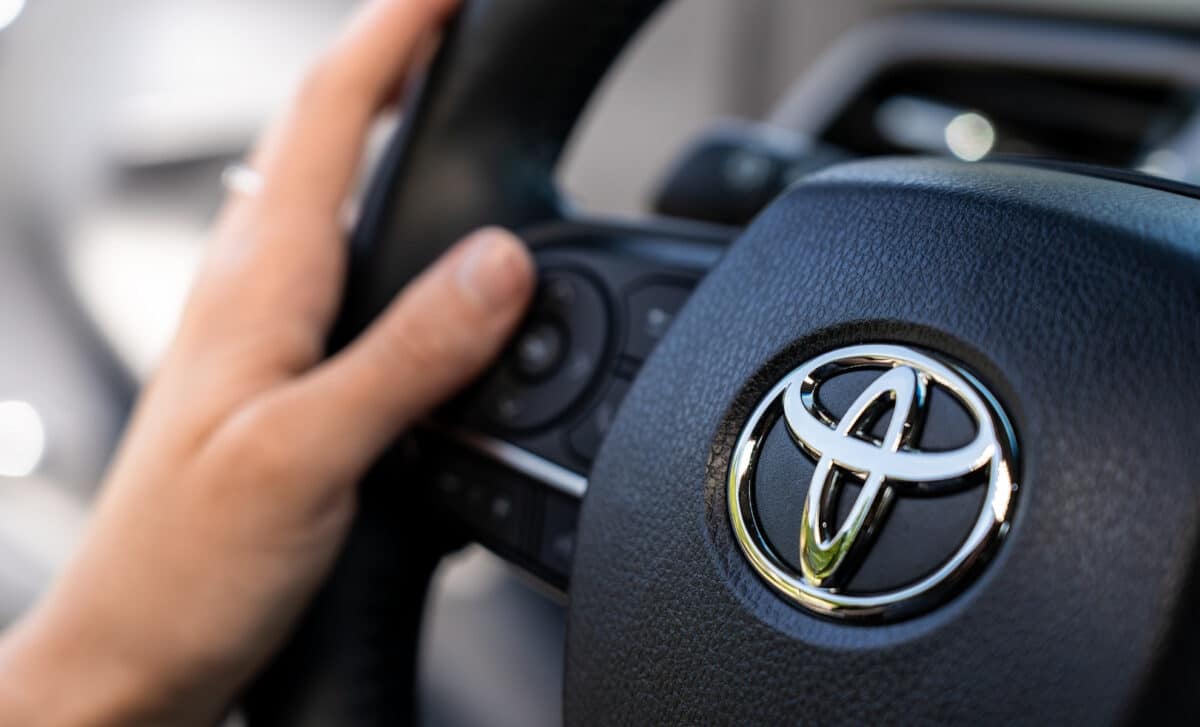
The feature, which allowed users to turn on the heating or cooling system via the MyToyota app, was temporarily removed after authorities warned that leaving the engine running while parked could lead to hefty fines. After customer complaints, Toyota reinstated the function but included a clear warning about potential legal consequences.
The problem arose due to Germany’s strict regulations against idling engines. According to local laws, leaving a car engine running without driving is prohibited, a rule that’s enforced with fines. The feature in question required the engine to run in order to activate the preheating or cooling system, a necessity when temperatures drop. As a result, some Toyota owners were fined 80 euros, approximately $85 USD, for using the function, which led the company to suspend it temporarily in Germany.
Legal Pressure Pushes Toyota to Act
Germany’s laws against unnecessary idling are part of a broader effort to reduce vehicle emissions and improve air quality. These regulations are particularly strict in urban areas, where air pollution is a constant concern.
According to reports, Toyota’s decision to disable the preheating function came after it was made clear that the feature violated these regulations. Drivers were leaving their engines running to preheat their cars, and this idle running contributed to increased emissions, which is especially problematic in colder weather when engines produce more pollutants before reaching operating temperature.
This legal issue isn’t limited to Germany, France also has similar laws, but enforcement there has been less aggressive. In France, leaving an engine running could result in a fine of up to 135 euros, which is around $143 USD. However, the stricter enforcement in Germany prompted Toyota to remove the function there while keeping it available in other European countries.
Customer Backlash Leads to Quick Reversal
After disabling the feature, Toyota faced backlash from customers who relied on the ability to remotely preheat their vehicles, especially in winter. The preheating feature is particularly useful during colder months, allowing drivers to enter a warm car without waiting for the engine to reach temperature.
In response to these complaints, Toyota reinstated the feature but included a disclaimer within the MyToyota app. The message now warns users in Germany that using the feature could lead to a fine, depending on local regulations.
Toyota’s quick reversal of the decision reflects the importance of customer feedback in shaping the company’s approach to regulatory issues. According to Toyota, the feedback was clear, many users expressed that the ability to preheat their cars remotely was vital for their comfort and safety. In turn, Toyota reintroduced the feature with a legal notice to ensure compliance with German laws while continuing to meet customer needs.
Environmental Considerations and Idle Engines
The issue of remote preheating also highlights broader concerns about the environmental impact of idling engines. Preheating the cabin requires the vehicle’s engine to run, which can increase pollution, particularly when the engine is cold. While this is a minor factor compared to overall vehicle emissions during driving, it contributes to the ongoing environmental debate about how automakers should balance convenience and sustainability.
Electric vehicles, which don’t rely on internal combustion engines, do not face the same issue when preheating their cabins. Hybrid vehicles, like those made by Toyota, still rely on the combustion engine to generate heat for the cabin, even when the vehicle is not in motion. This can lead to increased emissions, especially if the car is idling in an enclosed area, which can also pose health risks like carbon monoxide poisoning.