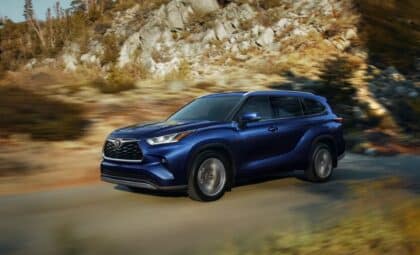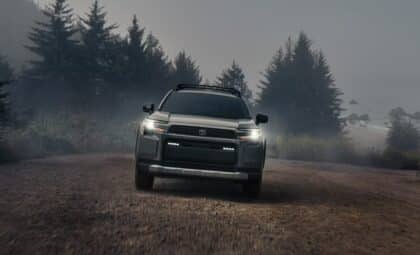
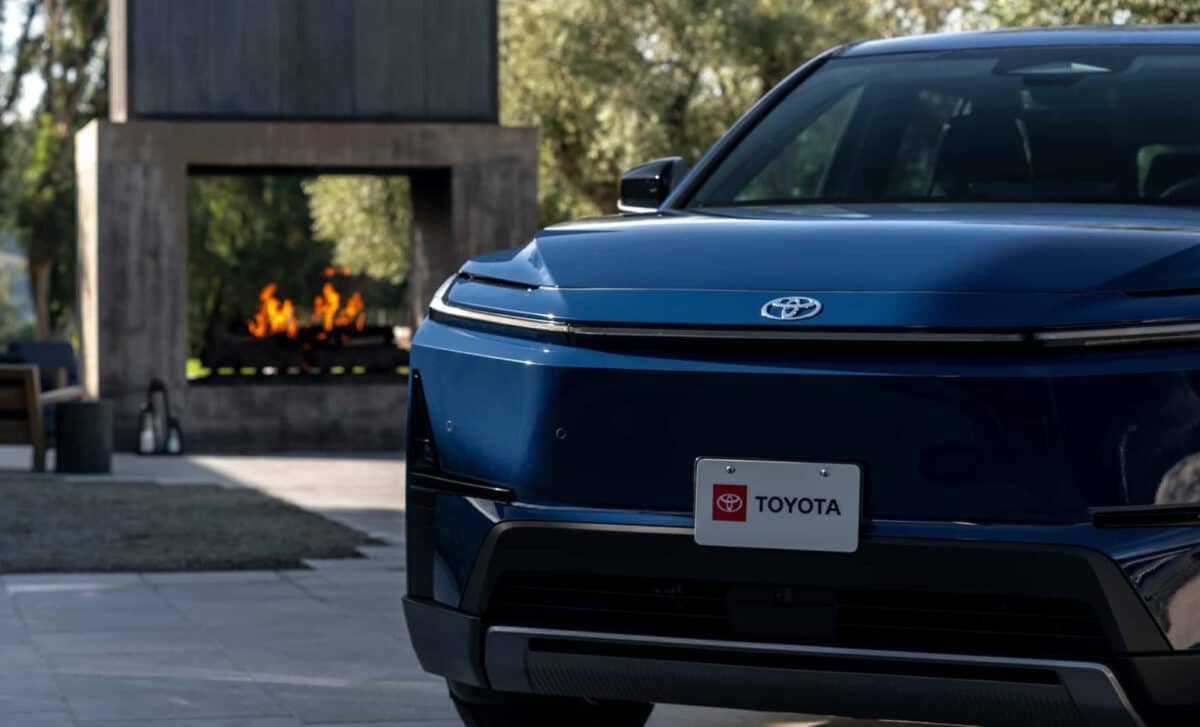
Three-row SUVs have quietly become the backbone of suburban America. School runs, weekend road trips, airport parking lots, the format has proven stubbornly resistant to change. For years, electrification seemed to circle around them rather than move straight through them.
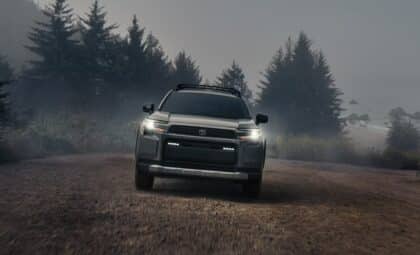
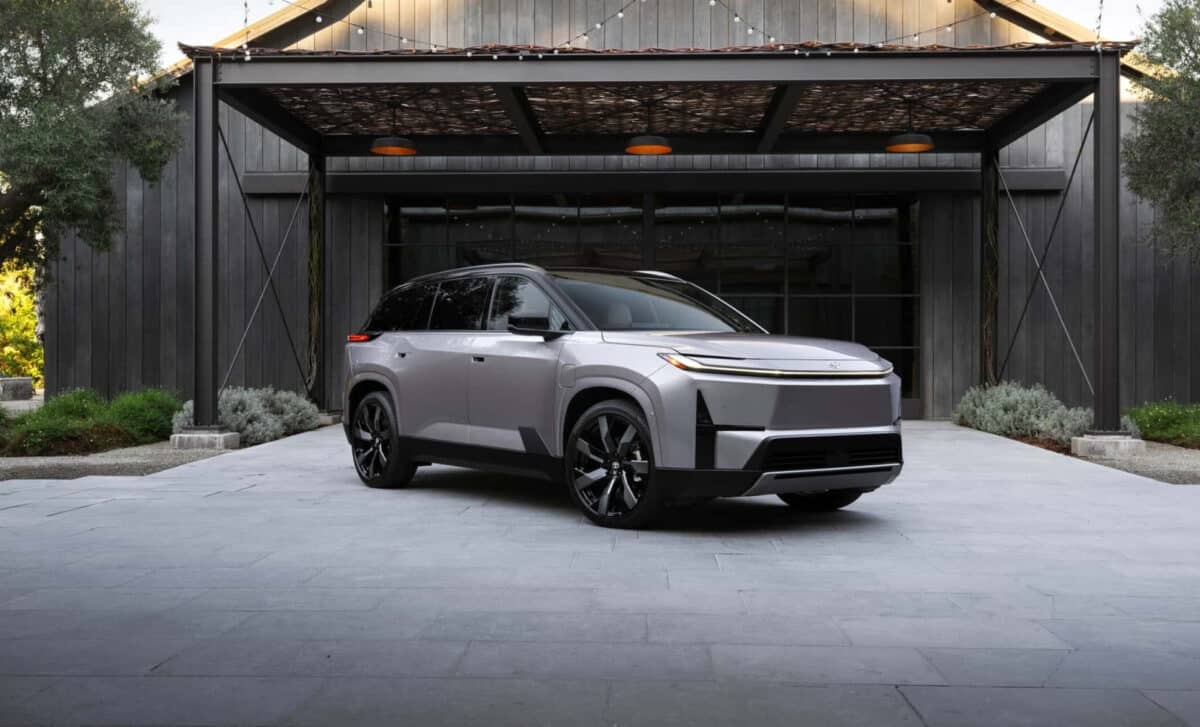
That may be about to shift. Toyota is preparing a fully electric version of the Highlander for the 2027 model year, a decision that places one of its most established family nameplates squarely into the battery-electric era.
A Familiar Badge, a Different Philosophy
The Toyota Highlander has long represented predictability in the best sense of the word: dependable powertrains, practical interiors, and strong resale value. Hybrid variants have been particularly popular, reinforcing Toyota’s long-standing leadership in electrified, though not fully electric, vehicles.
Electrifying the Highlander carries symbolic weight. Rather than launching an entirely new EV model with experimental branding, Toyota appears to be leveraging a name customers already trust. As reported by Motor1, the electric Highlander will be built at Toyota’s plant in Georgetown, Kentucky, anchoring the project in the company’s U.S. manufacturing base.
Built in the U.S., Powered by New Investments
Production in Kentucky aligns with Toyota’s broader electrification investments in North America. The company is developing a large-scale battery manufacturing plant in North Carolina, a multi-billion-dollar project intended to supply batteries for upcoming hybrid and electric vehicles.
This domestic supply chain strategy has become increasingly central across the industry, particularly as federal incentives and sourcing requirements shape EV economics. While Toyota has historically emphasized a “multi-pathway” approach, balancing hybrids, plug-in hybrids, hydrogen, and battery-electric vehicles, the 2027 Highlander EV suggests a more assertive presence in the U.S. EV space.
A Dedicated Electric Architecture
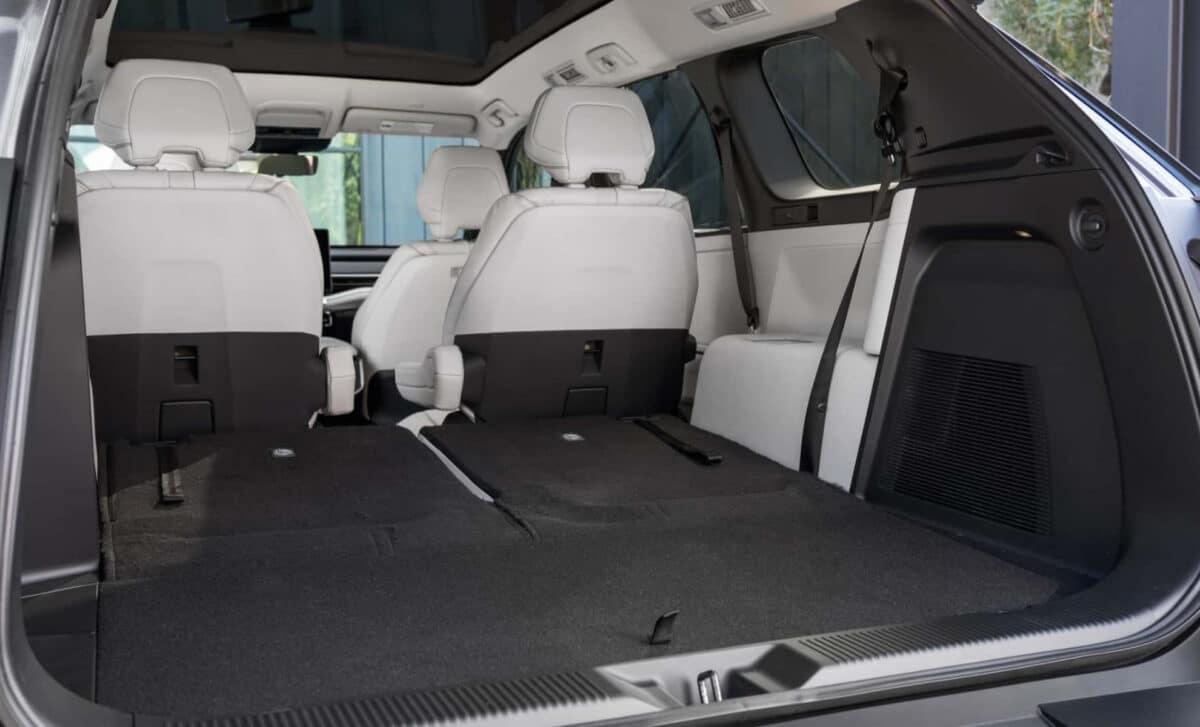
The electric Highlander is not expected to be a converted gasoline model. Instead, it will likely sit on a dedicated battery-electric platform, potentially related to Toyota’s evolving e-TNGA architecture. Dedicated EV platforms typically allow for improved cabin packaging, with a flat floor and more flexible seating layouts, features that matter in a three-row SUV.
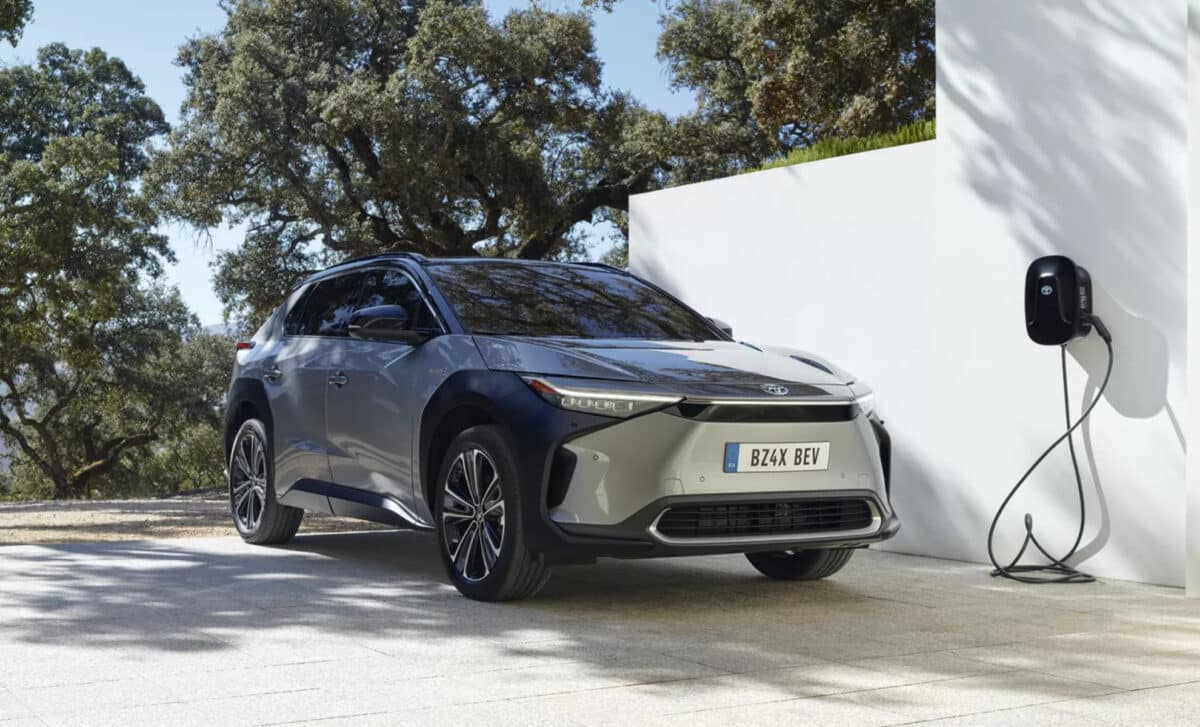
Toyota’s current EV, the bZ4X, introduced the brand to the battery-electric market, though its launch was marked by early recall challenges. Since then, Toyota has signaled improvements in next-generation EV technology, including advances in battery chemistry and efficiency.
Entering a Competitive Field
By 2027, the electric three-row SUV segment will be firmly established. The Kia EV9 has already set a reference point for range and design, while Hyundai is preparing the Ioniq 9. Domestic manufacturers are expanding their electric SUV offerings as well.
Toyota’s decision to electrify the Highlander rather than introduce a new sub-brand may be deliberate. In a segment defined by practicality and long-term ownership, familiarity can outweigh novelty. Buyers who have owned multiple generations of Highlander may feel more comfortable transitioning to an electric version bearing the same badge.
A Measured Shift, Not a Radical Departure
The 2027 timeline reflects Toyota’s characteristic pacing. The company has repeatedly argued that EV adoption depends on infrastructure readiness and regional demand. By the time the electric Highlander reaches showrooms, charging networks, including expanded access to the Tesla NACS standard, are expected to be more widespread, and battery costs may be lower.
The electric Highlander does not signal an abrupt reinvention of Toyota’s identity. It signals adaptation. The brand that once normalized hybrid technology through the Prius is now preparing to bring full electrification to one of its most mainstream family vehicles.
There are still open questions about range, pricing, and drivetrain configurations. Yet the strategic message is clear: Toyota intends to compete directly in the three-row electric SUV segment, using a nameplate that has already earned decades of customer trust.