
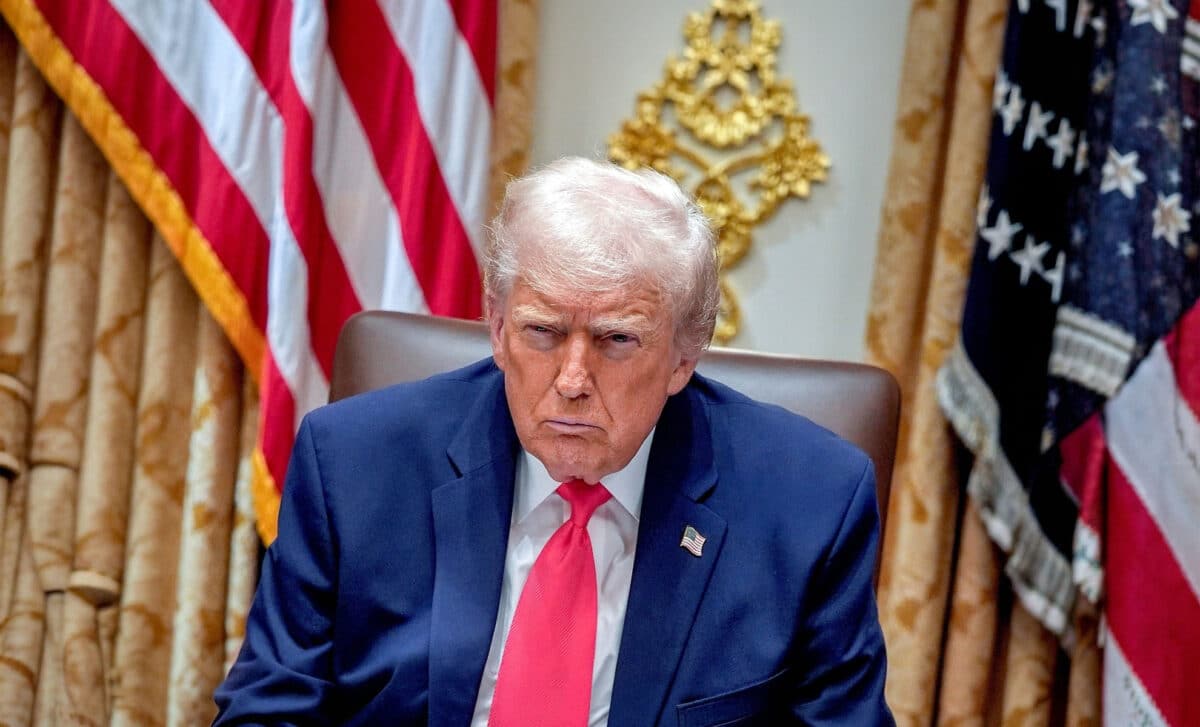
On February 20, 2025, the Court ruled that the tariffs, which were aimed at reducing the U.S. trade deficit, overstepped the president’s legal authority. The ruling, passed by a 6-3 vote, found that the tariffs imposed under the International Emergency Economic Powers Act (IEEPA) were not legally justified.
The law, which allows the president to take emergency actions regarding trade, was deemed insufficient for the broad and sweeping tariffs introduced by the Trump administration. Although the decision invalidates many of the tariffs, including some that impacted various industries, it does not affect the tariffs imposed under other trade laws, such as those related to national security and unfair trade practices, which continue to apply to automobiles.
Impact on the Automotive Sector
The automotive sector continues to face significant challenges despite the Supreme Court’s decision. According to Car and Driver, many of the tariffs impacting the auto industry were not part of the IEEPA-based tariffs, but rather were imposed under different provisions of trade law, specifically Sections 232 and 301.
These provisions allow tariffs to be applied on the grounds of national security and unfair trade practices. As such, the Supreme Court’s decision does not impact the 25% tariff on imported vehicles and parts, meaning car manufacturers from countries like Japan, Germany, and Canada will still have to contend with these duties.
While the decision is a legal blow to Trump’s trade policies, it does not immediately reduce the financial burden on U.S. consumers. According to reports, vehicle prices already rose significantly due to the existing tariffs, with cars assembled in Canada seeing nearly a 10% price increase in just seven months. As the tariffs on foreign vehicles remain in place, the auto industry is likely to continue facing higher prices for imported cars and parts.

Trump’s Response to the Ruling
In response to the Court’s decision, Trump announced a new global tariff of 10%, set to be imposed for 150 days. This move, which will affect a wide range of imports, including automobiles, represents Trump’s attempt to bypass the Supreme Court’s ruling.
As reported by Auto Journal, Trump’s new tariffs aim to keep pressure on foreign manufacturers and maintain his protectionist approach to trade. This announcement adds another layer of uncertainty for the automotive industry, as companies now face the prospect of both the existing tariffs and new global duties.
The new tariff does not directly address the Court’s ruling on the IEEPA-based tariffs, but it will likely exacerbate the cost of foreign-made cars and auto parts. Experts are concerned that this move could further increase car prices for U.S. consumers, who have already seen substantial price hikes in recent months due to previous tariffs.
Ongoing Uncertainty for Automakers
Despite the Supreme Court’s decision, the automotive industry remains in a state of uncertainty. While the ruling struck down many of Trump’s tariffs, it left in place the tariffs on automobiles and auto parts under national security and unfair trade provisions.
Manufacturers such as General Motors, Nissan, and Toyota have yet to comment on how the ruling will affect their operations. Ford, on the other hand, has stated that it is still assessing the implications of the decision and will continue to work with the U.S. administration and Congress on policies that promote a competitive domestic auto sector.
The automotive sector, which had already been grappling with rising vehicle prices due to tariffs, faces continued pressure. The uncertainty surrounding the future of trade policies and the potential for further tariffs could prolong the financial strain on both manufacturers and consumers. As a result, the industry will need to navigate a complex and evolving landscape of tariffs and trade regulations in the coming months.