
For many drivers, the question is not only whether they want a newer vehicle with updated technology and features. It is whether their current car can still take them and their family from A to B safely and without becoming a constant source of expense.
There is no single rule that applies to every owner, since personal finances play a major role. Still, several warning signs can help drivers decide when it may be time to trade up to a new, or at least newer, vehicle.
Repair Costs Can Make Keeping The Car Harder To Justify
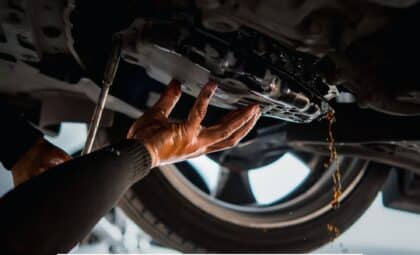
One of the clearest signs is financial. When the repair bill becomes larger than the current value of the vehicle, keeping the car often stops making sense. That is the point where drivers may feel they are “throwing good money after bad,” especially after years of repairs and maintenance.
High mileage is often connected to this moment, but it is not automatically a reason to replace a car. A vehicle with several hundred thousand miles can still be worth keeping if it mainly needs regular maintenance and minor repairs. In that case, the owner may still be spending less than they would on a monthly car payment.
A large repair estimate should also be treated carefully. Getting a second opinion can be useful, since a dealer may present a major bill that encourages the owner to trade in the vehicle instead of fixing it.
Future repairs can matter too. As cars age and mileage builds, maintenance can become more involved and more expensive. Items such as a water pump or timing belt may be predictable through historical data for that model or the factory maintenance schedule. Selling before those repairs arrive can help avoid both the bill and the time without a working vehicle.
Reliability Problems Can Outweigh The Price Of Repairs
Cost is not the only issue. A car that cannot be counted on may no longer be worth keeping, even if individual repairs do not seem extreme.
A vehicle that is repeatedly in and out of the shop can create daily stress, disrupt schedules, and lead to rental bills while repairs are being completed. Car and Driver points to the personal side of the decision: worrying every time you get in the car about whether it will start has its own cost.
In that situation, the practical question becomes whether the owner can afford to move into something more dependable. If the answer is yes, looking for a more reliable option may be a reasonable step rather than continuing to live with uncertainty.
The need for reliability is especially clear when the vehicle is used for family transportation. A car’s basic job is not complicated. It has to get people where they need to go safely and consistently. When it no longer does that, the argument for replacing it becomes stronger.

Changing Needs And Aging Safety Systems Can Shift The Decision
Sometimes the car still runs, but life has changed around it. A growing family may need more room for passengers and cargo, which can make a larger vehicle, including a minivan, more suitable.
In a household with multiple vehicles, not every car needs to carry everyone at once. Still, lifestyle and schedules may require that flexibility, especially when family members are moving in different directions during the day.
The opposite can happen as well. An empty nester may no longer need a large SUV. A smaller and more efficient vehicle can be easier to manage and cheaper to run. The minivan phase can return later when children have families of their own.
Safety is another factor. Active safety features continue to improve, and new systems reach the market frequently. If a vehicle is seven to 10 years old, it may not have the most state-of-the-art systems. That does not mean the current car is unsafe, but newer options may offer more protection.
For parents of new drivers, that difference can matter. Features such as automated emergency braking and blind-spot monitoring may help turn a possible collision into a near-miss, or prevent a costly repair. Avoiding a crash can also extend the life of the vehicle and help prevent insurance-rate hikes.
In the end, replacing a car is a balance between want and need. Sometimes the reason is practical: repairs, reliability, space, or safety. And sometimes, after those considerations are weighed, the answer is simpler: the driver just wants something new.