
Documents filed with the National Highway Traffic Safety Administration (NHTSA) show that the problem stems from a communication failure within the trailer control system. In certain conditions, the module can power on but fail to communicate with the vehicle.
The recall spans several of the automaker’s most popular nameplates, including both Ford and Lincoln models. While the company estimates that only one percent of the recalled population is affected by the defect, the scale of the campaign makes it one of the larger recalls announced this year.
A Software Race Condition at Startup
The issue originates in the Integrated Trailer Module (ITRM), a component responsible for managing trailer lighting and braking functions. According to Car and Driver, a software defect allows for a race condition between the ITRM and the CAN Standby Control bit, known as STBCC, during vehicle startup.
If specific conditions are met at ignition, the ITRM may power on without establishing proper communication with the vehicle’s network. When that happens, the trailer system can lose functionality even though the module itself remains powered.
Ford estimates that approximately one percent of the 4,380,609 recalled vehicles are impacted by this software vulnerability.
Brake Lights, Turn Signals, and Potential Brake Loss
When communication is lost, the trailer brake lights and trailer turn signals become inoperable. That means other drivers may not receive visual signals from the attached trailer, increasing the risk associated with towing.
It is also possible for the issue to result in the loss of trailer brake function, though the recall documents state that this outcome is less common. The malfunction is linked directly to the ITRM’s inability to communicate with the vehicle once the startup sequence fails.
Drivers may see a “Trailer brake module fault” message displayed on the instrument panel. In some cases, an additional “Blind Spot Assist System fault” warning may also appear, signaling a broader communication disruption within the vehicle’s systems.
Models Affected and Planned Fix
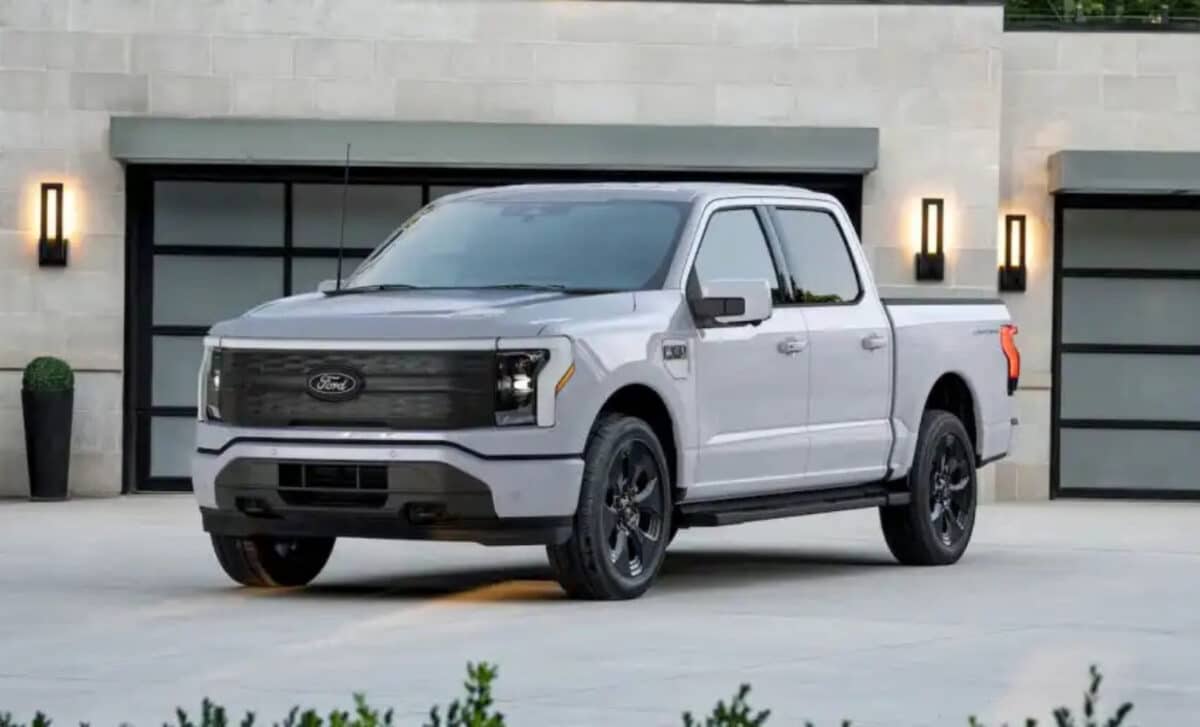
The recall covers 2021 through 2026 model-year vehicles, including the F-150, F-250 Super Duty, E-Transit, Expedition, Maverick, Ranger, and the Lincoln Navigator. These vehicles are equipped with the ITRM software identified in the recall. Ford was not aware of any accidents, injuries, or fires related to the issue at the time the recall documents were filed. That detail appears in the NHTSA paperwork.
Ford plans to begin issuing an over-the-air software update to affected vehicles in March 2026. The updated software is designed to eliminate the vulnerability in the ITRM and prevent future communication loss. Dealers and owners will be notified starting March 17, and customers will also have the option to visit a Ford or Lincoln dealership to receive the software update in person.
The fix, at least on paper, is purely digital. For owners, the next step will simply be to wait for notification and ensure the update is completed once it becomes available.