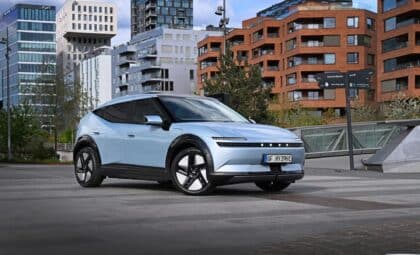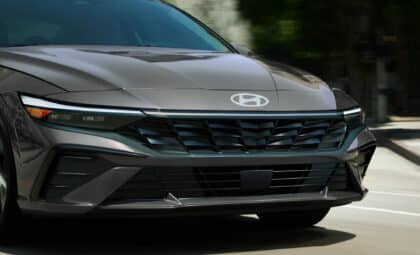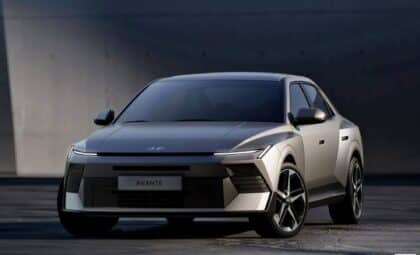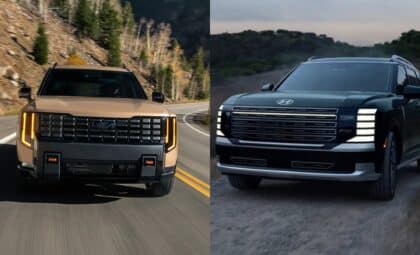


In February, Hyundai and Kia saw remarkable success, setting new sales records in the U.S. while relying heavily on their hybrid and electrified model offerings. Hyundai’s overall sales surged by 6% compared to the previous year, reaching 65,677 units.
However, the Ioniq 5 was the standout in the electric vehicle segment, showing a 33% increase in sales year-over-year. This performance stands in contrast to the struggles faced by many other EV models, as the expiration of the EV tax credit has dampened overall electric vehicle sales.
Hyundai’s Electrified Success Amid Declining EV Sales
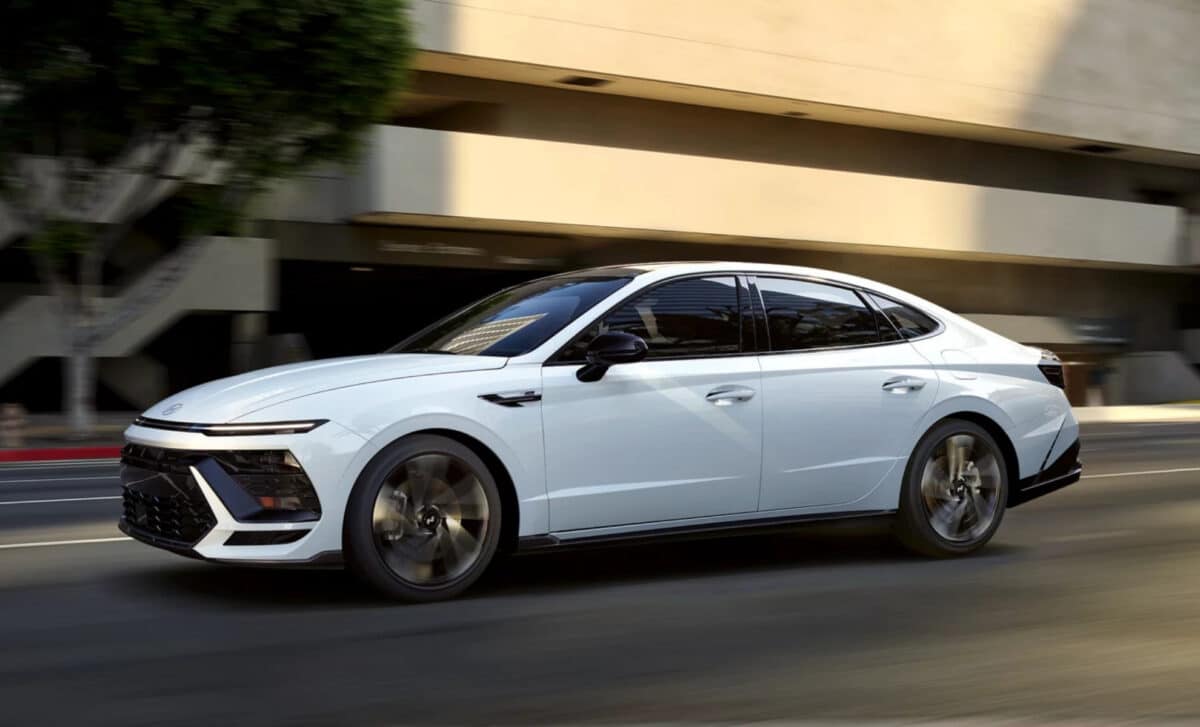
Despite the challenges posed by the loss of the federal EV tax credit, Hyundai reported a 56% jump in sales of electrified models, which include hybrids, plug-in hybrids, and fully electric vehicles. Out of the 65,677 total units sold by Hyundai, 22,357 were electrified, underscoring the growing importance of hybrid versions across its lineup. Models like the Sonata, Santa Fe, Tucson, and Elantra contributed significantly to this increase, reflecting a continued shift toward more fuel-efficient options in the market.
The surge in hybrid sales highlights the continued appeal of these models in the post-tax credit era, where fully electric vehicles have faced slower growth. However, Hyundai’s electric ambitions remain strong, with the Ioniq 5 leading the way in its EV lineup.
Ioniq 5 Sales Surge After Price Cut and Financing Deals
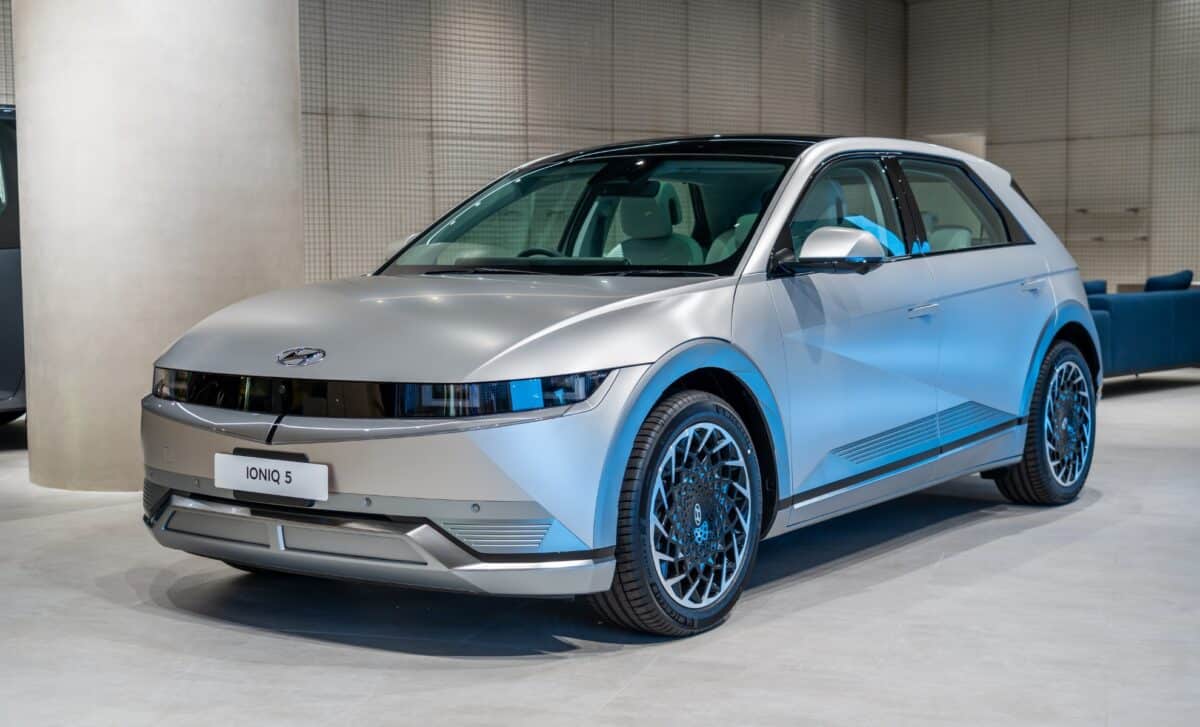
The Hyundai Ioniq 5 achieved a notable sales recovery in February, with 3,239 units sold. This marks a 33% increase compared to the same month last year and the best performance for the model in the last five months.
According to InsideEVs, the Ioniq 5’s strong showing can be attributed to Hyundai’s aggressive price reduction, which saw the starting price slashed by up to $9,800 following the expiration of the EV tax credit. Additionally, Hyundai offered 0% APR financing, competitive lease rates, and dealer discounts to further incentivize buyers.
While these figures are far from the 6,000-plus units sold in the final month of the tax credit in September, the Ioniq 5’s February sales are a significant improvement from October, when the expiration of the tax credit caused a steep drop in demand for EVs across the industry. This increase in sales suggests that Hyundai’s strategy to adjust its pricing and offer attractive financing options has been effective in maintaining interest in its electric offerings.
Kia’s Struggles with EV Sales Continue
Kia, despite setting a sales record for February with 66,005 units sold, saw a much less impressive performance in its electric vehicle segment. The company reported just 600 units sold of the EV6 and 819 units of the EV9. While Kia experienced a 53% increase in hybrid sales, its electric vehicles have struggled to replicate the success of the Ioniq 5.
This disparity between Hyundai and Kia’s electric vehicle performances underscores the evolving nature of the market. As Hyundai continues to lead in EV sales with models like the Ioniq 5, Kia faces challenges in gaining traction for its electric offerings, despite similar efforts to expand its lineup.