
The shift comes as Chinese brands continue to strengthen their global position. In 2025, BYD surpassed Tesla in global battery-electric vehicle sales, underscoring the growing influence of Chinese manufacturers despite changing conditions in their home market.
For years, China’s auto industry benefited from strong domestic demand and aggressive growth. That environment helped numerous manufacturers expand quickly and establish a significant presence both locally and internationally. Today, industry leaders are acknowledging that the market has entered a different stage of development.
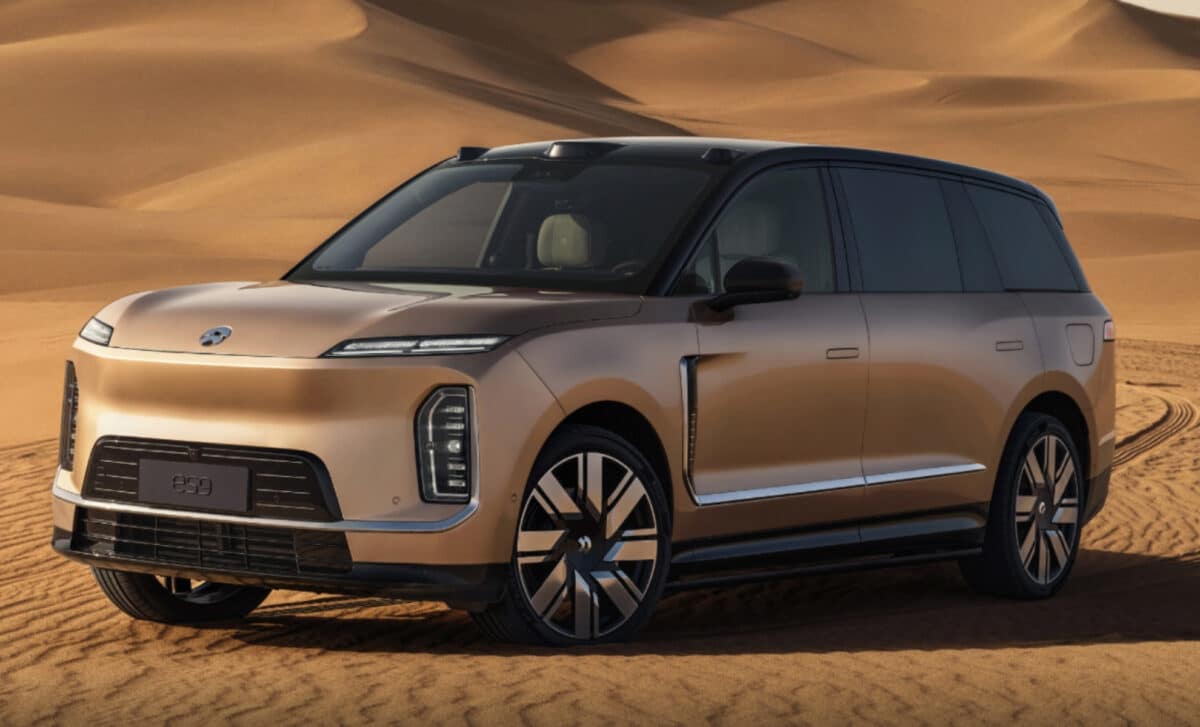
Nio Says China Has Moved Beyond Its Automotive “Golden Era”
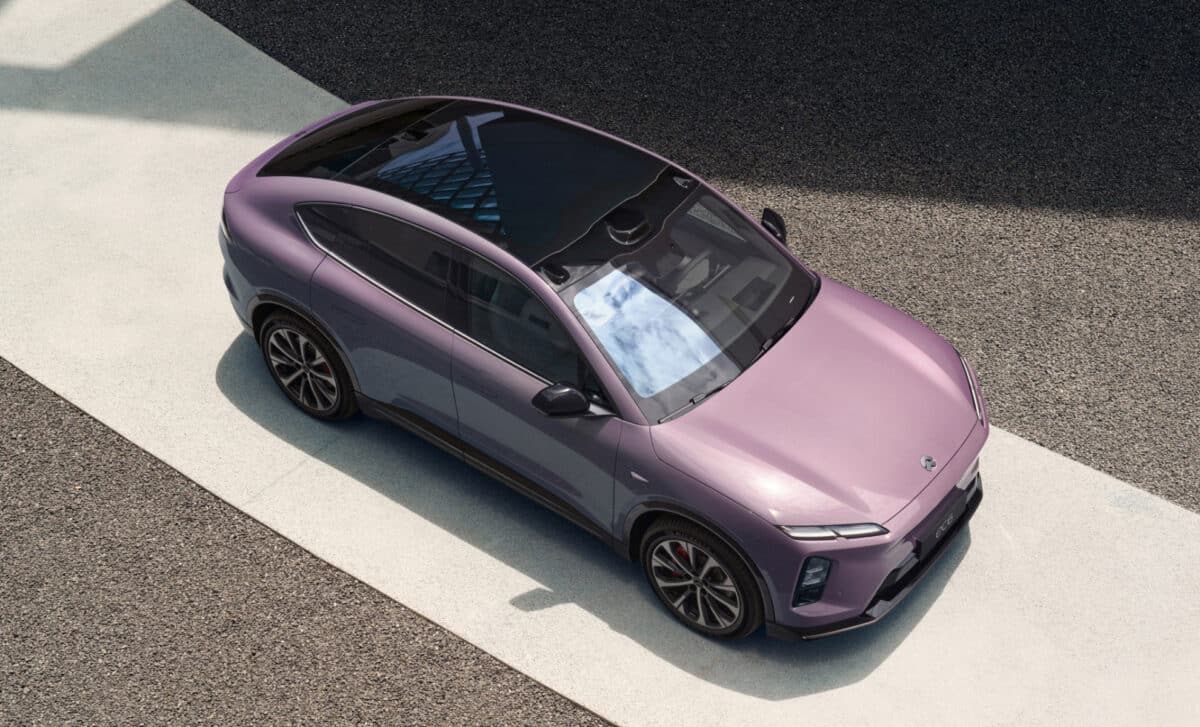
According to Reuters, Nio chief executive William Li said China has likely moved beyond what he described as the automotive industry’s “golden era.”
The statement reflects a broader change in market dynamics rather than a decline in competitiveness among Chinese automakers. Exports remain strong, while manufacturers are facing a domestic market where attracting customers has become more challenging than during previous years of rapid growth.
Chinese brands are no longer benefiting from the same pace of market expansion. Instead, competition is intensifying as companies work harder to win buyers in an environment where demand growth has moderated.
Vehicle Ownership and Price Wars Reshape the Domestic Market
One company affected by these changing conditions is Porsche, whose growth ambitions in China have been challenged by softer demand.
According to Autoblog, many consumers already own vehicles after years of strong industry growth. Aggressive price wars also contributed to making new vehicles more affordable, further influencing purchasing patterns across the market.
Automobile ownership in China has reached 370 million vehicles, contributing to market saturation. Earlier this year, regulators moved to curb below-cost vehicle sales. The measure could slow vehicle sales, while potentially improving profitability and encouraging healthier competition within the sector.
As domestic conditions evolve, overseas markets are becoming increasingly important for Chinese manufacturers. Their vehicles are often positioned as more affordable or better equipped than competing foreign models, helping support export performance.
Technology and Artificial Intelligence Become Key Battlegrounds
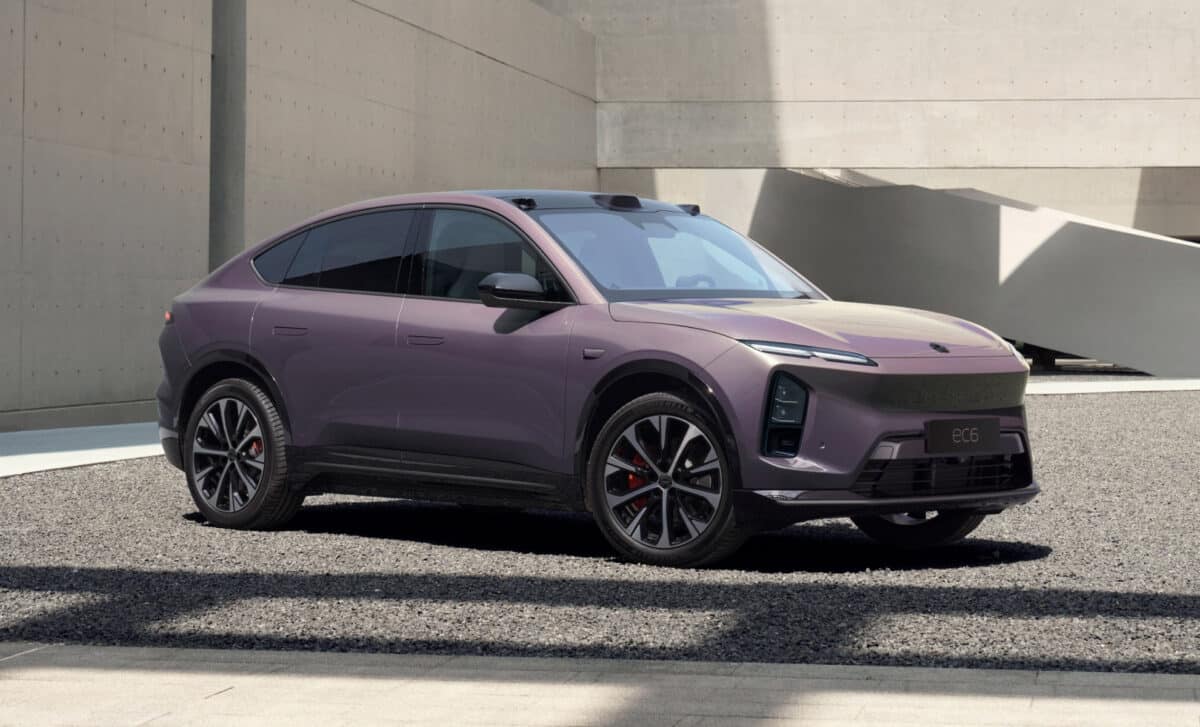
While competition continues to intensify, Chinese automakers are increasingly focusing on technology and product features.
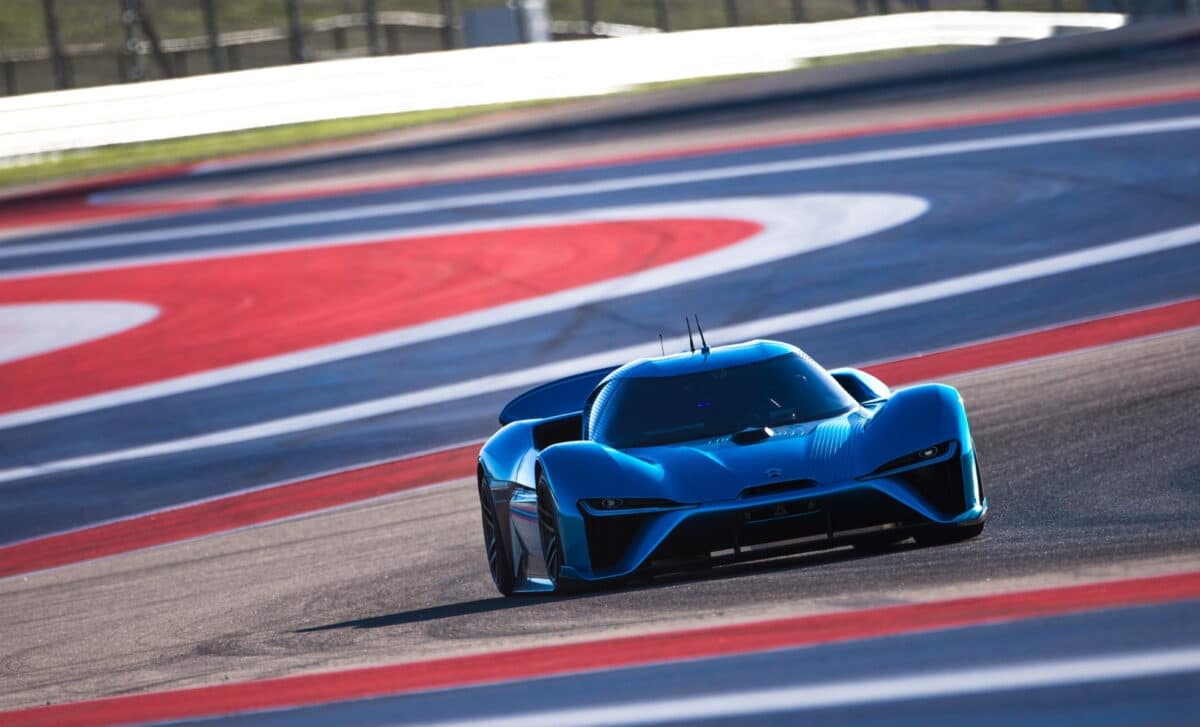
Nio intends to remain focused on the Chinese market as competition shifts away from simple price reductions and toward technology, features, and overall value. The company previously drew international attention when its EP9 set a Nürburgring electric vehicle lap record.
Another development is China’s “AI Plus” initiative. The program aims to integrate artificial intelligence across multiple industries, including the automotive sector.
The initiative could lead to vehicles becoming more intelligent and increasingly software-driven. At the same time, Chinese automakers remain largely excluded from the United States market, even as neighboring countries such as Mexico and Canada are more open to their vehicles. Although Chinese cars are not sold directly in the U.S., they can still influence American manufacturers as global brands compete for customers in overseas markets.